Guide
Sea-to-Sky Highway: Stops from Vancouver to Whistler
Vancouver to Whistler: choose waterfalls and viewpoints, stop in Squamish, and allow time for parking and walks along the Sea-to-Sky Highway.
Save it for later on this device or print a clean planning copy.
Quick facts
- Best time
- May–September for longer visiting days; rain remains possible, October: shorter days and winter tyre requirements, Winter: current road conditions determine the plan; some park gates close
- Recommended duration
- 1 full day, or 2 days if you want Squamish and Whistler to feel unhurried
- Budget range
- Low: CAD 40–90 for two: fuel, picnic food, possible parking · Mid: CAD 160–280 for two with one paid activity · Comfort: CAD 350+ for two with multiple paid activities; rental car and hotel excluded
- With kids
- Yes
Orientation
Why drive the Sea-to-Sky Highway slowly?
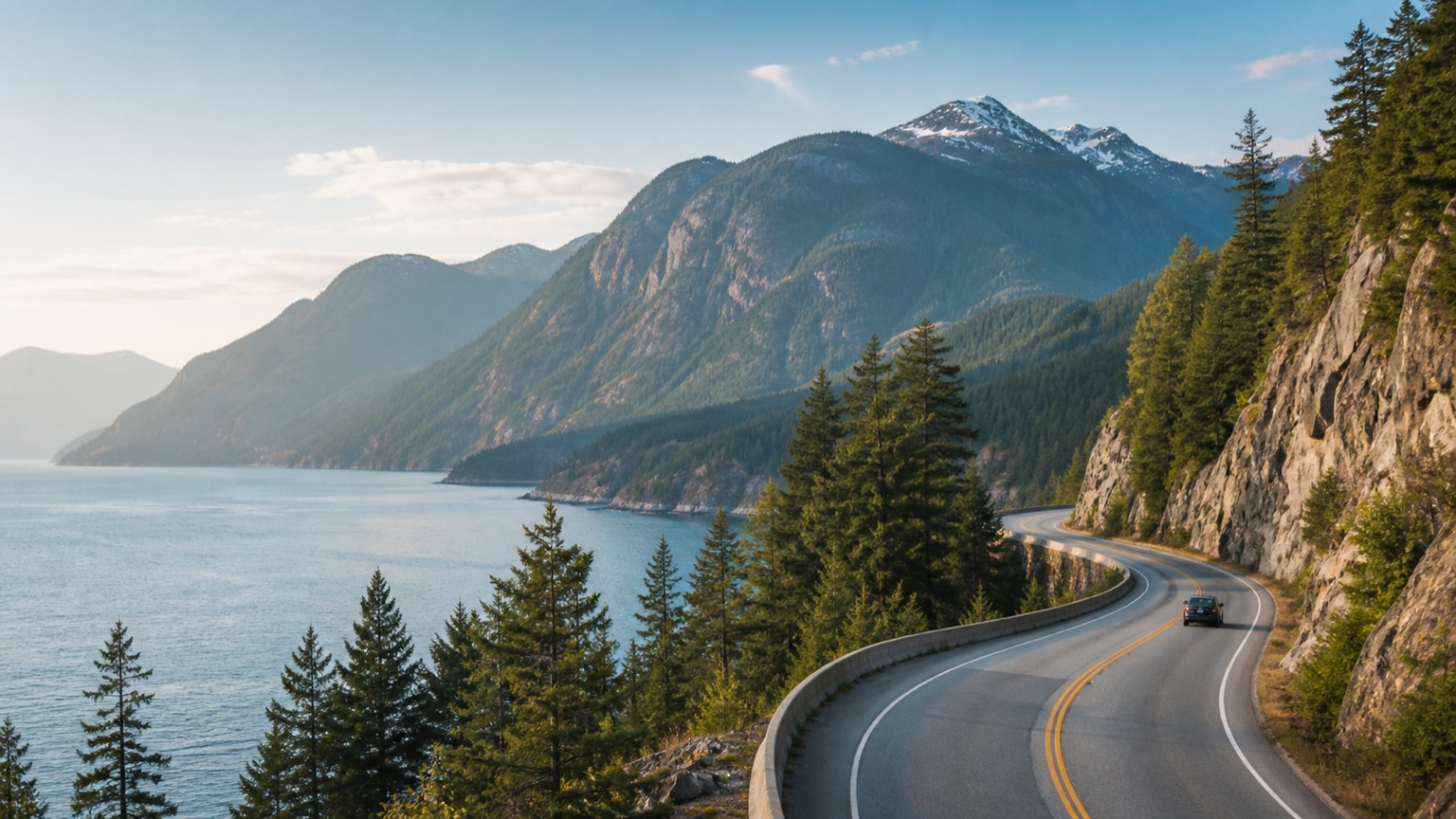
Highway 99 between Vancouver and Whistler is not just a transfer. It compresses Howe Sound, forest, granite cliffs, waterfalls and mountain views into a route that can feel rewarding even if you only stop a few times.
The mistake is trying to collect every viewpoint. The road works better when you choose two or three anchors and let the drive itself do part of the work.
For most travelers, the best version is simple: leave Vancouver early, stop near Howe Sound, spend real time around Squamish, then decide whether Brandywine Falls still fits before Whistler.

With low cloud, I would avoid committing the day’s budget to the gondola. Britannia Mine Museum offers a different main stop, while Shannon Falls stays closer to valley level. Do not book both when you still need to reach Whistler that evening.
Alex Travels · TravelHighlights.io
Keep planning
Choose the next useful step
Jump straight to the next relevant part of your trip.
Guide map
- Vancouver
- Horseshoe Bay
- Porteau Cove
- Britannia Beach
- Shannon Falls Park
- Sea to Sky Gondola
- Squamish
- Brandywine Falls Park
- Whistler Village
Itinerary
Suggested itinerary
Simple Vancouver to Whistler transfer
Best when Whistler is the priority and you only want the strongest low-friction stops.
- 1Leave Vancouver early enough to avoid turning the route into a traffic queue.
- 2Stop at one Howe Sound viewpoint and Shannon Falls.
- 3Eat or refuel in Squamish, then continue to Whistler without adding late-day extras.
Balanced scenic day
Best first-time version for most travelers.
- 1Morning: Vancouver to Porteau Cove, then Shannon Falls
- 2Midday: lunch in Squamish; add the gondola only as your chosen main activity
- 3Afternoon: Brandywine Falls if time allows, then stay in Whistler
2 drive days, 1 night in Squamish
In addition to the night in Whistler, giving one substantial activity block.
- 1Day 1: Porteau Cove, Britannia Mine Museum OR Shannon Falls, stay in Squamish
- 2Day 2: gondola OR a strenuous Chief hike, then continue to Whistler
- 3After a longer hike, omit Brandywine; next night in Whistler
Bases
Best base areas
Best for
Vancouver
Starting the drive early and keeping the first night simple
Pros
- Easiest airport and city logistics
- Works well if the Sea-to-Sky day is your transfer to Whistler
- Good food and rental-car options before the drive
Watch-outs
- City traffic can delay the start
- A late departure makes scenic stops feel compressed
Best for
Squamish
Slower Sea-to-Sky pacing and outdoor activities
Pros
- Best midpoint for food, fuel and route decisions
- Lets you split the route into two calm days
- Good base for Shannon Falls, the Chief area and the gondola
Watch-outs
- Adds an overnight if Whistler is your main goal
- Accommodation can still be expensive in peak periods
Best for
Whistler
Ending the day with a settled mountain-base feeling
Pros
- Natural endpoint for Highway 99 road trips
- Easy to continue into Whistler activities the next morning
- Better if you arrive before dinner rather than late
Watch-outs
- Parking and accommodation costs can be high
- Arrival can feel stressful if the Sea-to-Sky day was overloaded
Planning notes
Avoid These Common Mistakes
Treating every pullout as mandatory
The route has more viewpoints than most travelers need. Pick a few that match your energy instead of stopping every time the view opens.
Reaching Squamish too late
Squamish is where the day becomes flexible. If you arrive there already tired or hungry, the second half usually becomes rushed.
Ignoring winter tire signs
The Sea-to-Sky is a mountain highway. In signed winter periods, proper tires are not an optional comfort detail.
Adding Garibaldi or Joffre Lakes casually
Those are not quick scenic pullouts. They can require day-use passes, early starts, hiking time and weather planning.
Parking outside marked areas
BC Parks warns about congestion and illegal parking in Sea-to-Sky parks. If a lot is full, move on instead of squeezing into unsafe roadside space.
Travel planning answers
Frequently asked questions about the Sea-to-Sky Highway
How long does Vancouver to Whistler take with stops?+
The pure drive is often around two hours in good conditions, but a calm scenic version usually needs most of a day. Plan six to eight hours if you want viewpoints, Shannon Falls, Squamish and a flexible arrival.
What are the best Sea-to-Sky stops for a first visit?+
A simple first-visit set is one Howe Sound viewpoint, Shannon Falls, Squamish, and either Sea to Sky Gondola or Brandywine Falls.
Is Sea to Sky Gondola worth it?+
Yes if you want one paid anchor with big views, marked trails and a clear activity. Skip it if the weather is low, your budget is tight or you prefer free waterfall and viewpoint stops.
Do I need winter tires on the Sea-to-Sky Highway?+
Follow the posted winter tire and chain signs. BC requires winter tires or chains on many signed routes from October 1, with end dates depending on the route. Check current rules before driving.
Is the route good with kids?+
Yes, if you avoid too many tiny stops. Shannon Falls, Squamish and Brandywine Falls are easier with kids than a packed list of pullouts and steep hikes.
Should I add Garibaldi or Joffre Lakes to this day?+
Usually no. They are better as separate hiking days because passes, parking, trail time and weather can dominate the schedule.
Worth it / Skip if
Worth it
The Sea-to-Sky Highway is one of the easiest high-value driving days in Western Canada when you keep the stop list selective and give Squamish enough breathing room.
Skip if
Skip the scenic-stop version if you only need to transfer to Whistler, if weather is poor and visibility is low, or if winter-road conditions make the drive feel rushed.
With kids
Choose one active stop, one waterfall/viewpoint and one food or playground-style break. Too many short pullouts can make the day feel harder with children.
Budget range
Low
CAD 40–90 for two: fuel, picnic food, possible parking
Mid
CAD 160–280 for two with one paid activity
Comfort
CAD 350+ for two with multiple paid activities; rental car and hotel excluded
Guide details
How to plan the day
Keep a full travel day for Vancouver–Whistler with Porteau Cove, Shannon Falls and a meal break. The six-to-eight-hour allowance in this guide includes stops and is not a promised driving time. If leaving after lunch, omit the gondola and continue after Shannon Falls and Squamish.
The one-day plan ends with a night in Whistler. The two-day version adds a night in Squamish first. Neither includes a return drive to Vancouver.
Howe Sound first viewpoints
Horseshoe Bay is a harbour stop with cafés and ferry activity; Porteau Cove better suits a short walk and inlet views. Choose one. Use only legal stopping places accessible from your direction of travel. Missing a viewpoint is no reason to turn around on the highway.
Britannia Beach and Murrin Park
Britannia Mine Museum is a substantial activity in Britannia Beach. Check visit and tour times beforehand and reserve a continuous block; it is not a quick photo stop. In rain, use it instead of the gondola or other longer outdoor activities.
Murrin Park’s Browning Lake is the simpler picnic alternative. Keep a drive-day visit around the lake rather than assuming climbing areas and longer forest routes fit the same short stop.
Shannon Falls and the Squamish cluster
At Shannon Falls, BC Parks lists an easy walking trail of about 350 m to the waterfall view. Allow 30–60 minutes for the return and photographs. Wood, rocks and banks can be slippery; remain on the path and in designated viewing areas.
The nearby Chief is a different undertaking: First Peak gains roughly 540 m on a steep, strenuous route. A Chief summit hike replaces the other substantial activities that day. Stay at the base for a brief view of the granite wall.
Sea to Sky Gondola: worth it or skip?
Choose the gondola for mountain and Howe Sound views when visibility is good and you can allow two to four hours at the summit area and on short paths. That is an editorial visiting allowance; more demanding mountain trails are additional. Check operations and current conditions on the day. With low cloud, Shannon Falls and more time in Squamish are the lower-cost choice.
Squamish as the main break
For a proper meal break, leave the highway for the town centre rather than stopping only at a fuel station. Reassess the remaining time to Whistler afterward: if you have visited the gondola, omit Brandywine when necessary. A day with only Shannon Falls leaves more room for the final waterfall.
Tantalus Lookout and photo pullouts
Tourism Squamish describes a roadside view of the Tantalus Range north of town. We leave it out of the fixed northbound itinerary because legal entry depends on direction. Use only signed stopping areas accessible on your side of the road. Do not confuse the roadside stop with the Tantalus View Trail at Brohm Lake, which is a hike.
Brandywine Falls before Whistler
At Brandywine Falls, allow around 10–20 minutes each way to the view of the 70 m waterfall. A 45–75-minute visit commonly covers walking and a break. Take care at the railway crossing and remain behind the fences.
The canyon below the falls is inaccessible because of unstable slopes and falling rock. Bring drinking water. The park gate closes in the off-season; parking on the highway is not an alternative. Omit the stop if no legal parking is available.
Arrival in Whistler
End the day at the hotel, not at the village sign: parking, luggage and check-in also take time. With one Whistler night, plan a village walk that evening; leaving next morning gives little space for another mountain activity. Two nights allow a full Whistler day.
Winter, traffic and road conditions
Check DriveBC before leaving and again in Squamish if the weather changes. Highway 99 connects coastal and mountain conditions; Vancouver’s weather does not describe the higher sections. Signed routes have seasonal winter tyre requirements. Confirm the actual tyres before rental pickup and choose fewer daylight stops in winter.
With kids
Porteau Cove, Shannon Falls and a proper meal break are enough with children. Keep Brandywine optional. The Chief’s steep ascent is not an equivalent alternative to a short waterfall path. Keep children close and behind barriers around waterfalls; those paths are not open play areas.
Budget notes
All budget bands are for two adults for this drive day: a share of fuel, food, possible parking and the selected activities. Base car rental, hotels and flights are excluded from all three bands. They are rough planning allowances rather than current admission quotes.
Compare the complete price for two at the gondola and museum, including applicable charges. An intermediate Squamish night adds accommodation, meals and rental time. A single day of waterfall stops can therefore cost much less than two days with multiple tickets.
Final verdict
For a first drive, prioritise Porteau Cove, Shannon Falls and Squamish. The gondola replaces other longer stops; Brandywine fits best after a shorter Squamish visit. That gives the coast, forest and waterfalls room without pushing Whistler check-in later at every pullout.
Sources & Last updated
Last updated: 2026-09-07
Sources
- DriveBC: Current Highway 99 road conditions, delays, closures and webcams(checked: 2026-09-07)
- Destination BC / Super, Natural BC: Sea-to-Sky route orientation between Metro Vancouver, Squamish and Whistler
- BC Parks Shannon Falls Park: Location, falls height, short walking trail, safety and winter access notes(checked: 2026-09-07)
- BC Parks Stawamus Chief Park: Hiking, parking enforcement, trail difficulty and peregrine falcon closures(checked: 2026-09-07)
- BC Parks Brandywine Falls Park: Waterfall viewpoint, off-season gate notes, no potable water and canyon safety(checked: 2026-09-07)
- BC Parks day-use passes: Garibaldi and Joffre Lakes pass requirements during peak periods(checked: 2026-09-07)
- Province of British Columbia winter tire and chain routes: Winter tire dates, signed routes and enforcement(checked: 2026-09-07)
- Sea to Sky Gondola: Current hours, ticket guidance, weather and daily condition checks(checked: 2026-09-07)
- Tourism Squamish: Roadside Tantalus Range view; no confirmed northbound entrance.
- Britannia Mine Museum: Operator visit planning.
For your trip planning
Travel Services
Useful services for your trip. Choose what fits your plans.
Affiliate offers: We may earn a commission if you book. External search forms load only when opened, sharing data with Travelpayouts and the provider.
Nearby / next stop
MS · TTD
Last updated 2026-09-07
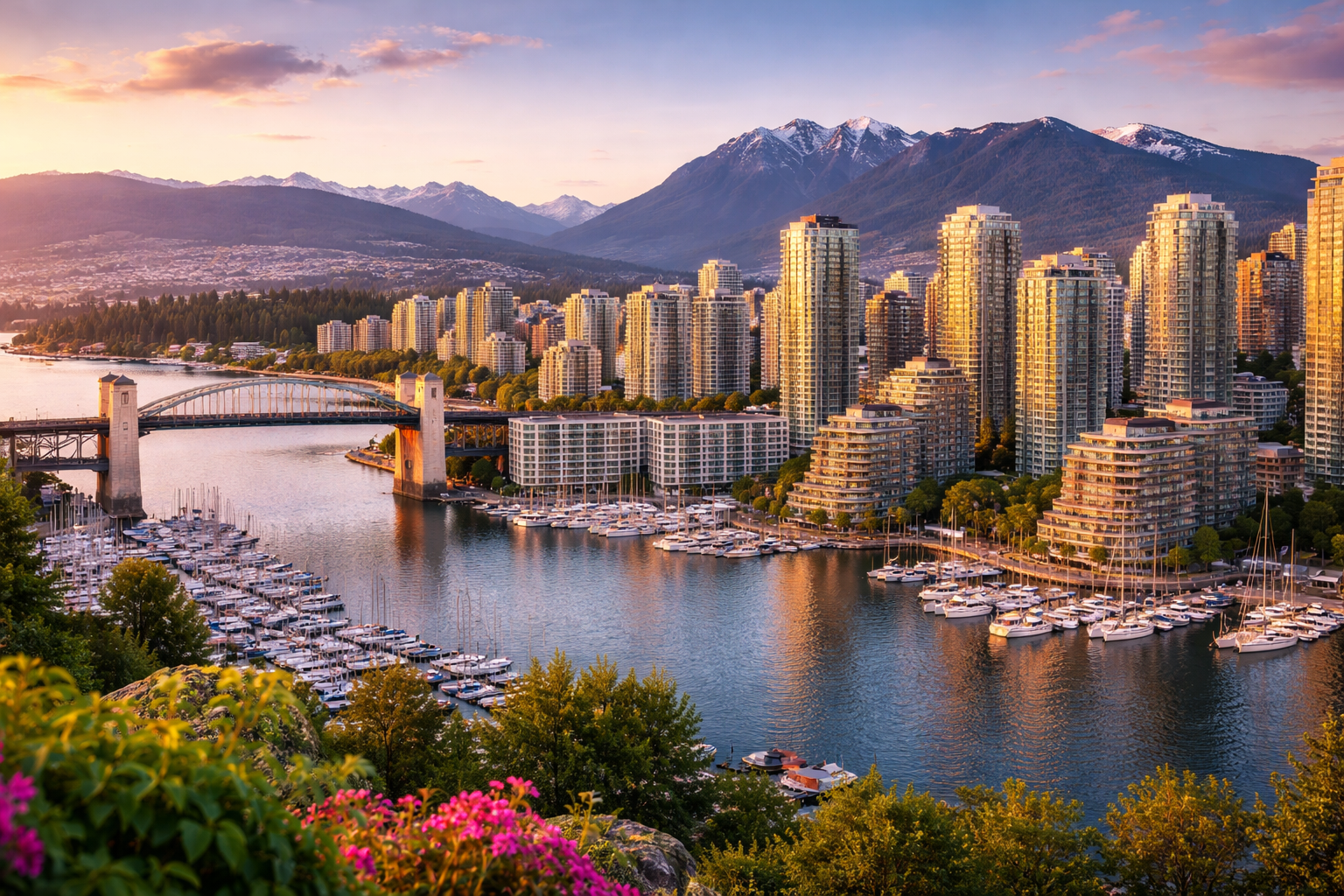
Vancouver Highlights: Stanley Park and the Waterfront
A selective Vancouver guide for Stanley Park, waterfront neighborhoods, Granville Island and a calm coastal finish after the Rockies.
Read guide →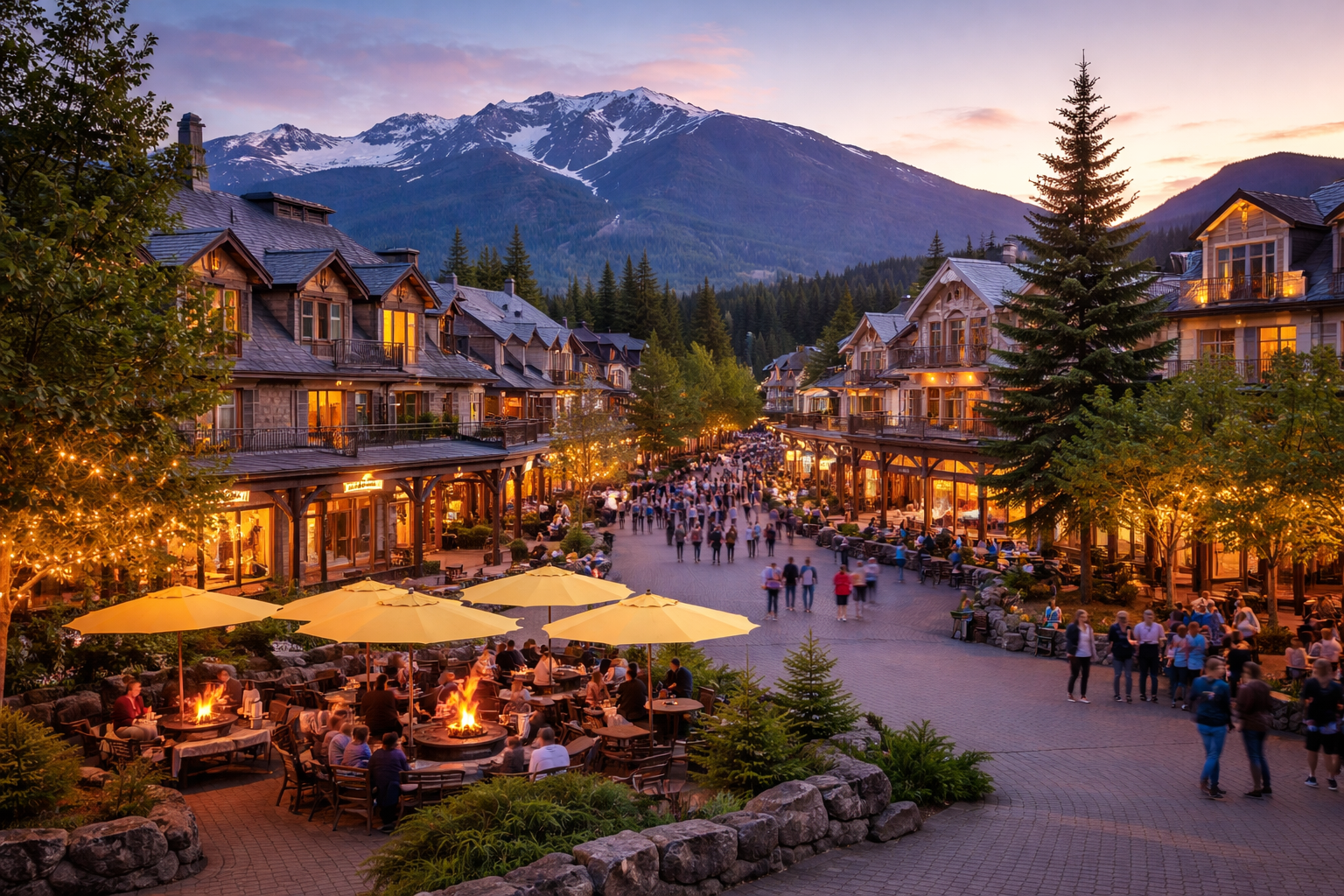
TTD
Last updated 2026-09-07
Whistler Worth It Guide: Summer vs Winter, Costs + Route Fit
Choose a full mountain day or a simple overnight in Whistler: summer lift access, Lost Lake, ski costs and the limits of a Vancouver day trip.
Read guide →