Travel Guide Collection
Swiss Alps Highlights
Plan the Swiss Alps: Zermatt, Jungfrau Region, Lucerne, Engelberg and the Engadin, with specific routes, mountain transport and overnight bases.
Save it for later on this device or print a clean planning copy.
Editorial introduction
Plan rail journeys alongside free days
Lucerne gives the trip a city-and-lake day. In the Jungfrau Region, your base determines the daily rail approach; in Zermatt, choosing Gornergrat or Matterhorn Glacier Paradise shapes the mountain day. Glacier Express is a distinct travel day towards the Engadin. This hub connects those decisions to counted nights so short stays are not presented as several full days.
Region snapshot
Swiss Alps at a glance
- Best first duration
- 8 days / 7 nights: Lucerne 2, Jungfrau Region 3, Zermatt 2.
- Short version
- 5 days / 4 nights: Lucerne 2, Jungfrau Region 2 or Zermatt 2.
- Slow version
- 12 days / 11 nights: Lucerne 2, Jungfrau Region 3, Zermatt 3, St. Moritz/Pontresina 3; Andermatt replaces the final base if preferred.
- Core bases
- Lucerne, Engelberg, Interlaken, Grindelwald, Wengen, Mürren, Zermatt, Andermatt, St. Moritz, Pontresina
- Main decision
- A short mountain trip with two bases or a longer rail journey into the Engadin
- Best timing
- Hiking depends on snow, mountain railways on operations; national park closed in winter
- Cost pressure
- Mountain lifts, panorama trains, hotels, restaurants, rail passes, luggage transfers and last-minute stays
- Offline issue
- Save rail reservations, lift times, weather links, hotel confirmations, pass details and backup valley days
Trip fit
Who the Swiss Alps are best for
First-time Switzerland travelers choosing between Zermatt, Jungfrau, Lucerne and Graubünden
Rail-focused travelers who want mountains without driving every day
Couples, families and friends comparing scenic bases before booking expensive alpine stays
Hikers who need weather buffers, lift schedules and realistic base decisions
Travelers who want iconic scenery but still prefer a calm, organized route
Destination discovery
Featured destinations
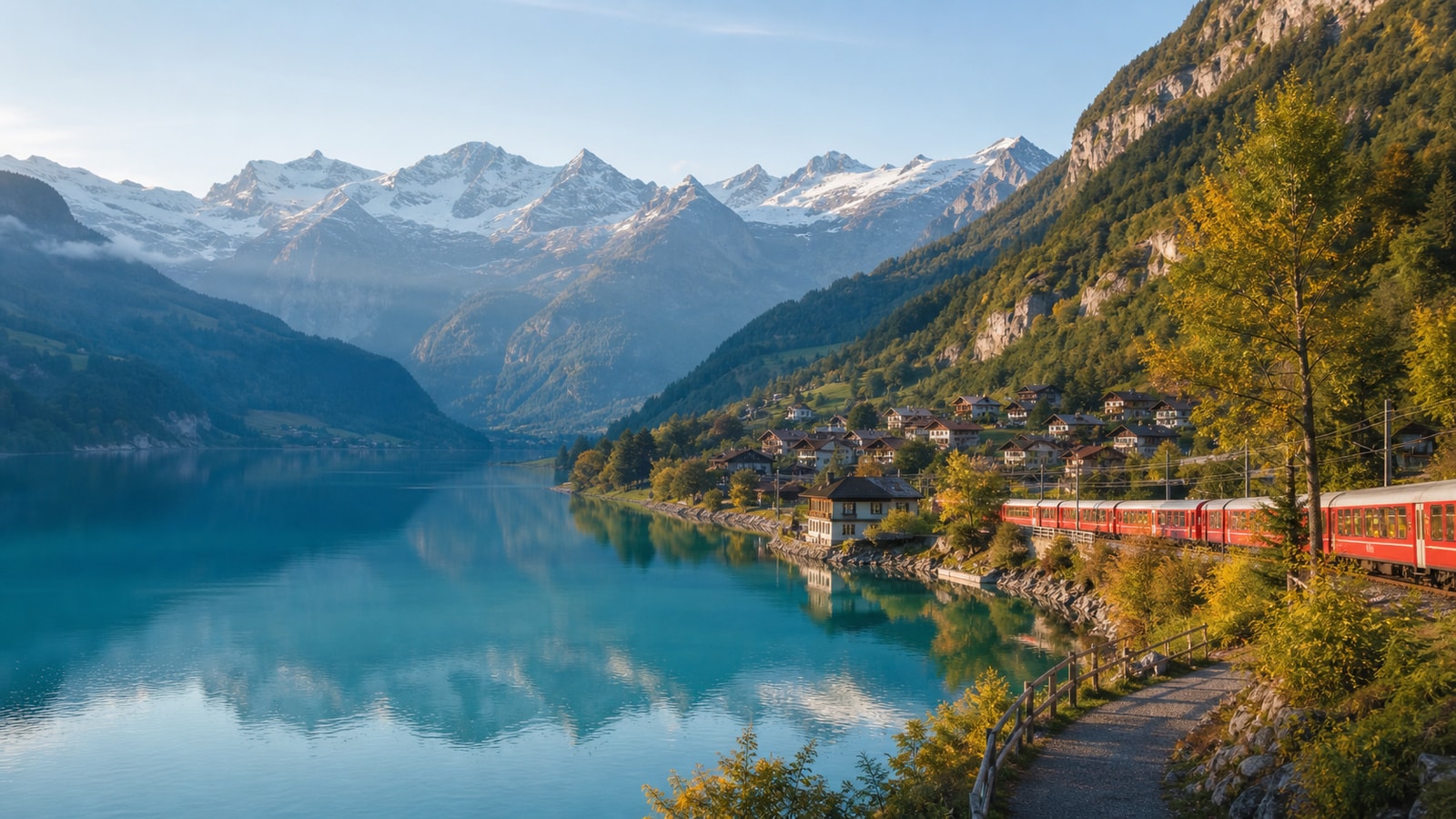
Swiss Alps Itinerary: 5, 8 and 12 Days
Essential
Counted four-, seven- and eleven-night plans with distinct transfer and outing days.
Read guide →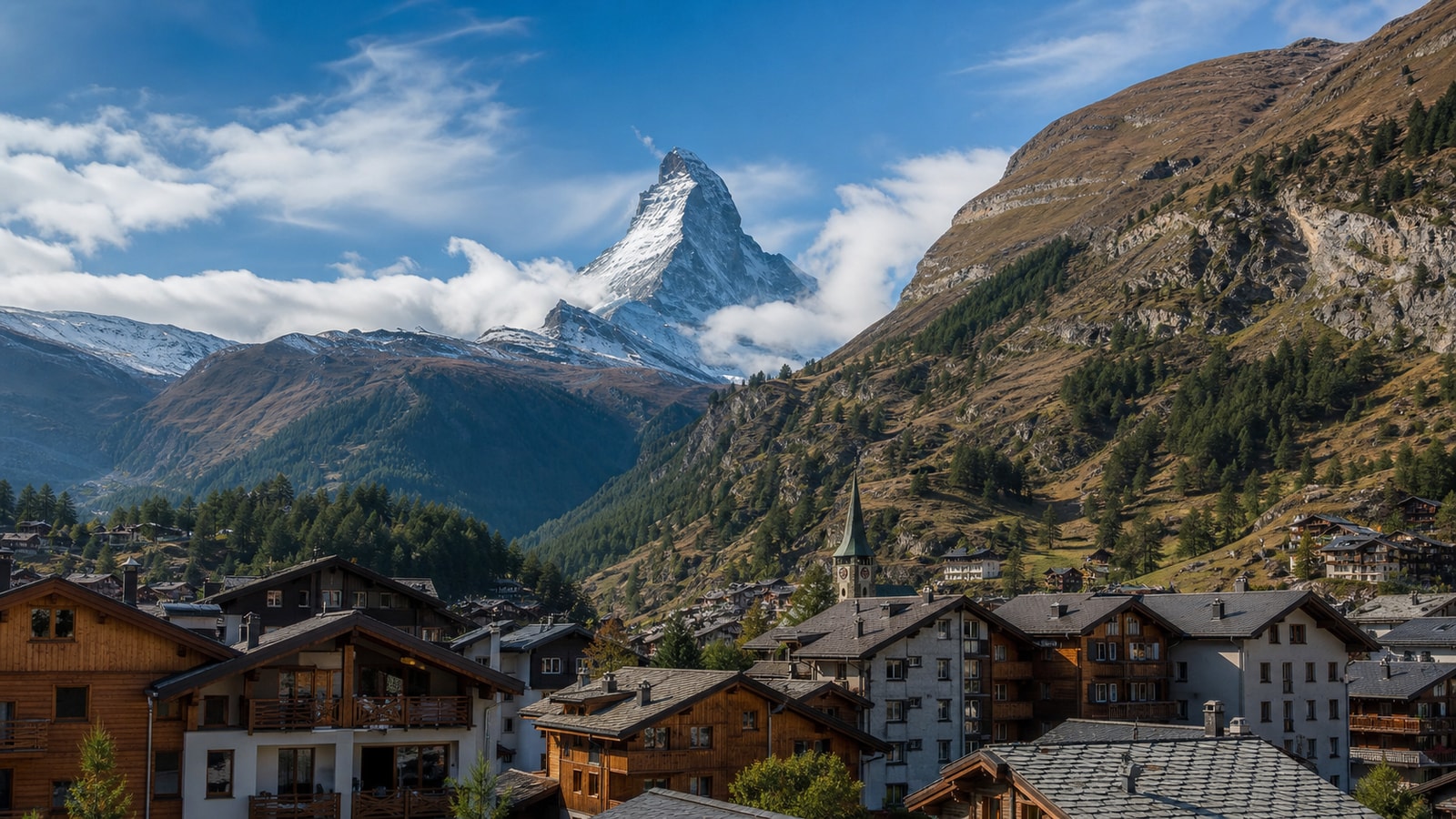
Zermatt and Matterhorn Guide
Essential
Plan Zermatt around Matterhorn visibility, car-free logistics, lift costs and whether it fits your first Switzerland route.
Read guide →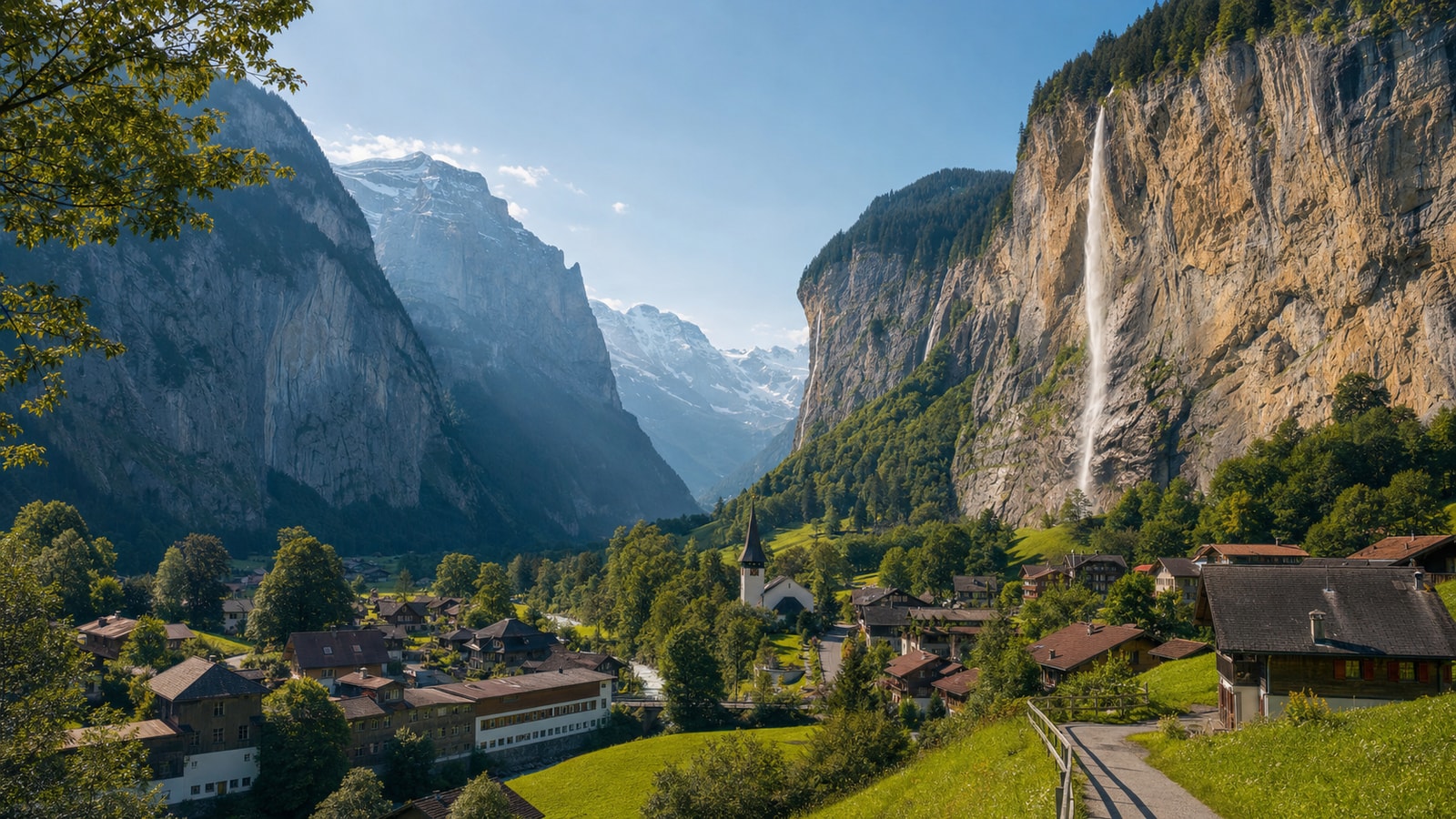
Jungfrau Region and Interlaken Guide
Essential
Compare daily rail access from Interlaken, Grindelwald, Lauterbrunnen, Wengen and Mürren.
Read guide →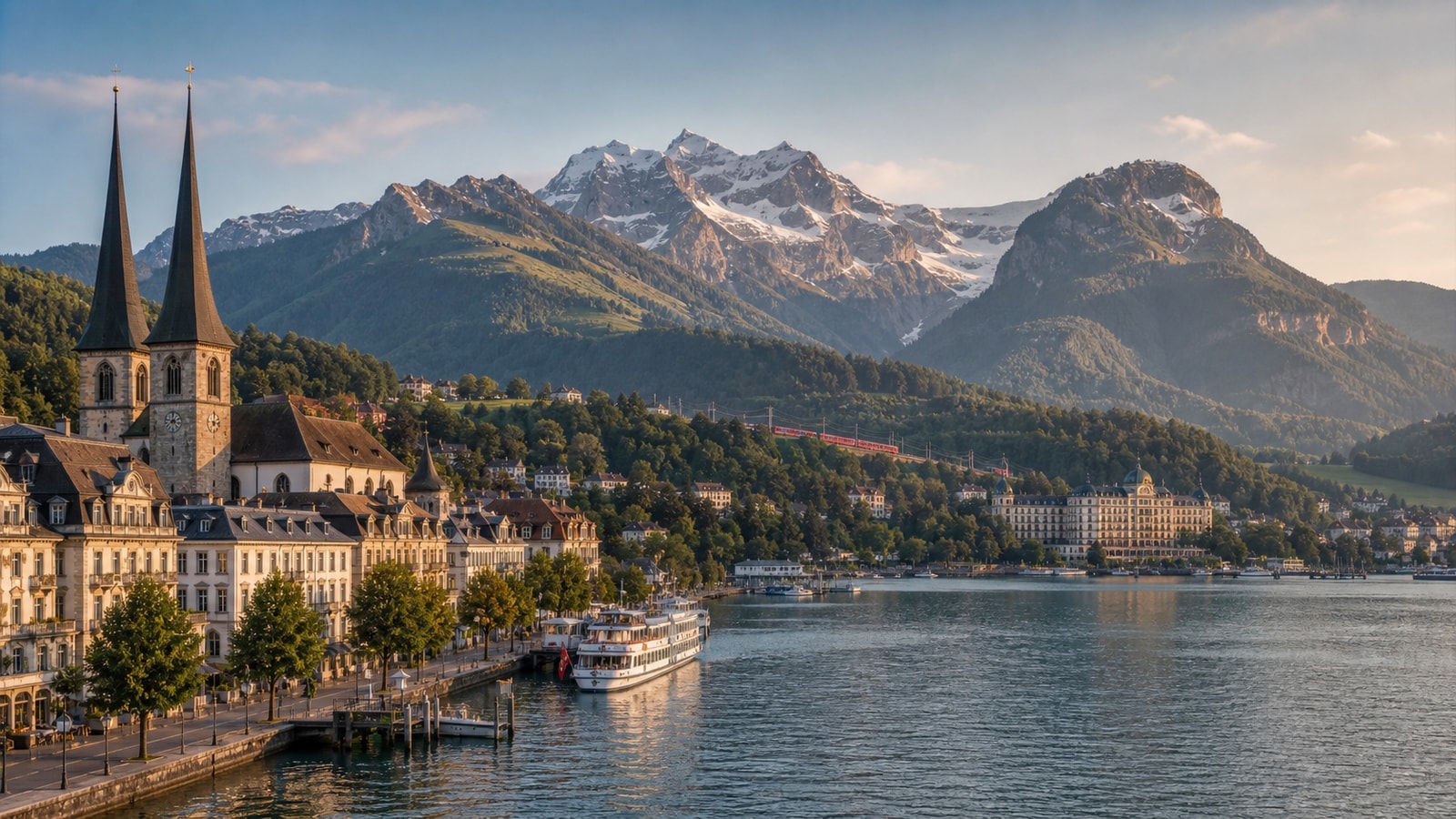
Lucerne, Engelberg and Titlis Guide
Use Lucerne and Engelberg for an easier lake-and-mountain start with strong rail links and less base-switching.
Read guide →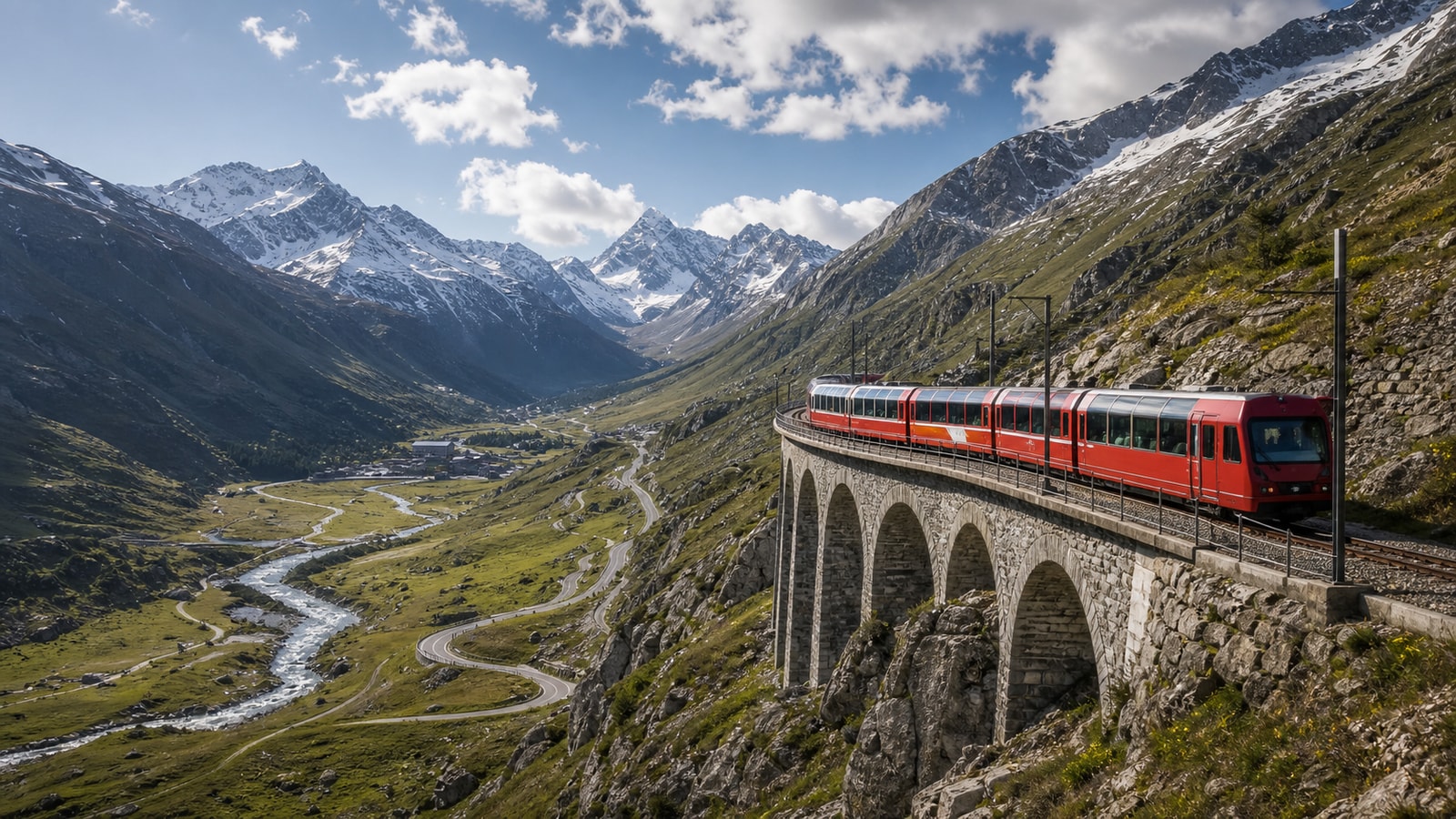
Glacier Express and Andermatt Guide
Decide whether the Glacier Express, Andermatt and the Oberalp route belong in your trip or belong on a slower rail itinerary.
Read guide →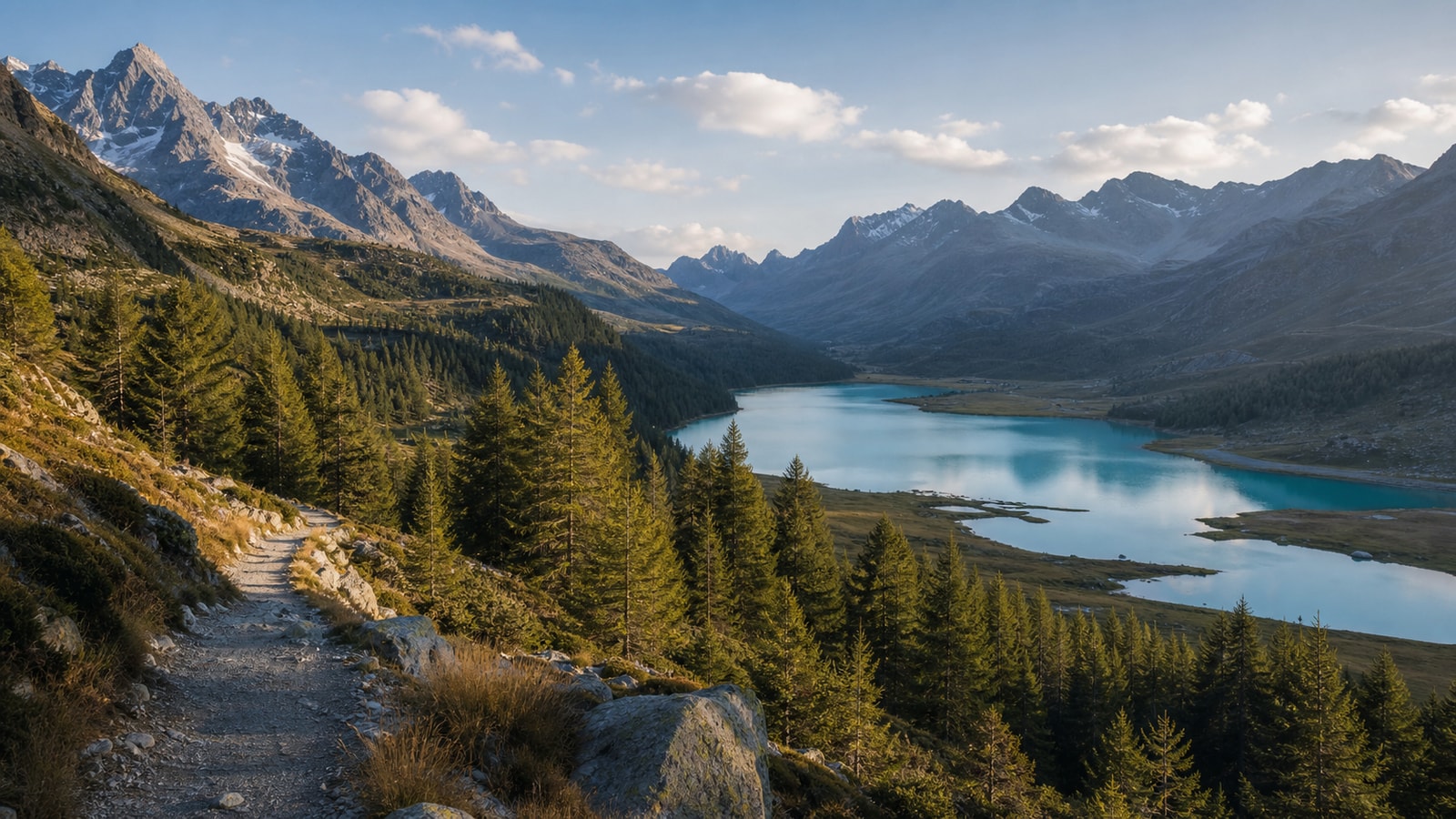
Graubünden, Engadin and Swiss National Park Guide
Choose Graubünden and the Engadin for wider valleys, quieter alpine days, St. Moritz, Pontresina and national-park planning.
Read guide →Start here
- 5 days / 4 nights: Lucerne 2, Jungfrau Region 2 or Zermatt 2.
- 8 days / 7 nights: Lucerne 2, Jungfrau Region 3, Zermatt 2.
- 12 days / 11 nights: Lucerne 2, Jungfrau Region 3, Zermatt 3, St. Moritz/Pontresina 3; Andermatt replaces the final base if preferred.
- 14 days / 13 nights: distribute two extra nights at existing bases, for example one each in Jungfrau and the Engadin.
Roadtrip logistics
- Treat major mountain viewpoints as weather-dependent, especially around Zermatt and Jungfrau
- Check lift schedules, rail reservations and seat requirements before building fixed travel days
- Keep car-free bases truly car-free where the rail network is stronger than driving
- Save passes, reservations, lift times, hotel details, weather links and shared costs offline
National parks
- Swiss National Park
Cities & stops
- Lucerne
- Engelberg
- Mount Titlis
- Interlaken
- Grindelwald
- Wengen
- Lauterbrunnen
- Mürren
- Zermatt
- Gornergrat
- Matterhorn Glacier Paradise
- Andermatt
- St. Moritz
- Pontresina
- Swiss National Park
Five days allow Lucerne and one mountain region. Eight days connect Lucerne, Jungfrau and Zermatt but leave only one full Zermatt day. The twelve-day option gives the Engadin three nights of its own and allocates a distinct rail day.
Where I would add time
Before a fourth region, check whether your priority mountain view has only one possible morning. A third night creates another full day without guaranteeing visibility. In the east, choose St. Moritz/Pontresina for lakes and rail; several national-park days make Zernez a separate base decision.
Where to start
Begin with nights in the itinerary. The Jungfrau guide covers bases and Jungfraujoch reservations; the Zermatt guide covers arrival and different mountain products. For the eastbound journey, the Glacier Express guide separates ticket and seat. Compare actual CHF offers; the guides’ EUR budget bands are editorial estimates.
For your trip planning
Travel Services
Useful services for your trip. Choose what fits your plans.
Affiliate offers: We may earn a commission if you book. External search forms load only when opened, sharing data with Travelpayouts and the provider.
Guides in this Travel Guide Collection
Back homeRAIL · MOUNTAINS
Last updated 2026-09-07
Glacier Express and Andermatt Guide
Decide whether the Glacier Express, Andermatt and the Oberalp route belong in your Swiss Alps trip or need their own slower rail itinerary.
Read guide →MOUNTAINS · NATURE
Last updated 2026-09-07
Graubünden, Engadin and Swiss National Park Guide
Choose Graubünden and the Engadin for wider valleys, quieter alpine days, St. Moritz, Pontresina and Swiss National Park planning.
Read guide →MOUNTAINS · PLANNING
Essential
Last updated 2026-09-07
Jungfrau Region and Interlaken Guide
Compare Interlaken, Grindelwald, Wengen, Lauterbrunnen and Mürren for the strongest first-time Swiss Alps base.
Read guide →LAKE · MOUNTAINS
Last updated 2026-09-07
Lucerne, Engelberg and Titlis Guide
Use Lucerne and Engelberg for an easier lake-and-mountain start with rail access, old-town texture and flexible alpine day trips.
Read guide →ROUTE · RAIL · MOUNTAINS
Essential
Last updated 2026-09-07
Swiss Alps Itinerary: 5, 8 and 12 Days
A realistic first Swiss Alps route for Lucerne, the Jungfrau Region, Zermatt, Andermatt, Glacier Express and Graubünden.
Read guide →MOUNTAINS · VIEWPOINT
Essential
Last updated 2026-09-07
Zermatt and Matterhorn Guide
Plan Zermatt around Matterhorn visibility, Gornergrat, car-free arrival, lift costs and whether the detour fits your Swiss Alps route.
Read guide →Travel planning answers
Swiss Alps FAQ
How many days do you need for the Swiss Alps?+
5 days / 4 nights: Lucerne 2, Jungfrau Region 2 or Zermatt 2. 8 days / 7 nights: Lucerne 2, Jungfrau Region 3, Zermatt 2. 12 days / 11 nights: Lucerne 2, Jungfrau Region 3, Zermatt 3, St. Moritz/Pontresina 3; Andermatt replaces the final base if preferred.
Should first-time visitors choose Zermatt or the Jungfrau Region?+
Choose Jungfrau for a particular valley or village plan and Zermatt when Matterhorn views are the priority. Compare the hotel approach and chosen mountain service rather than declaring one region universally better.
Do you need a car in the Swiss Alps?+
No for most first routes. Swiss rail works very well for Lucerne, Interlaken, Zermatt, Andermatt and St. Moritz, while some side valleys need extra planning.
Is the Glacier Express worth it?+
Yes for a deliberately allocated rail day. The full Zermatt–St. Moritz journey takes around eight hours; a ticket/pass and a seat reservation are separate requirements.
What is the best season?+
Choose around the activity and actual operating dates. Summer paths may still hold snow; entering Swiss National Park is forbidden in winter. A winter trip therefore needs a separate programme outside the park.
Where do costs add up fastest?+
Mountain lifts, panorama trains, rail reservations, hotels in famous resorts, restaurants and last-minute peak-season stays create the main pressure.
More destinations
Explore More Travel Destinations
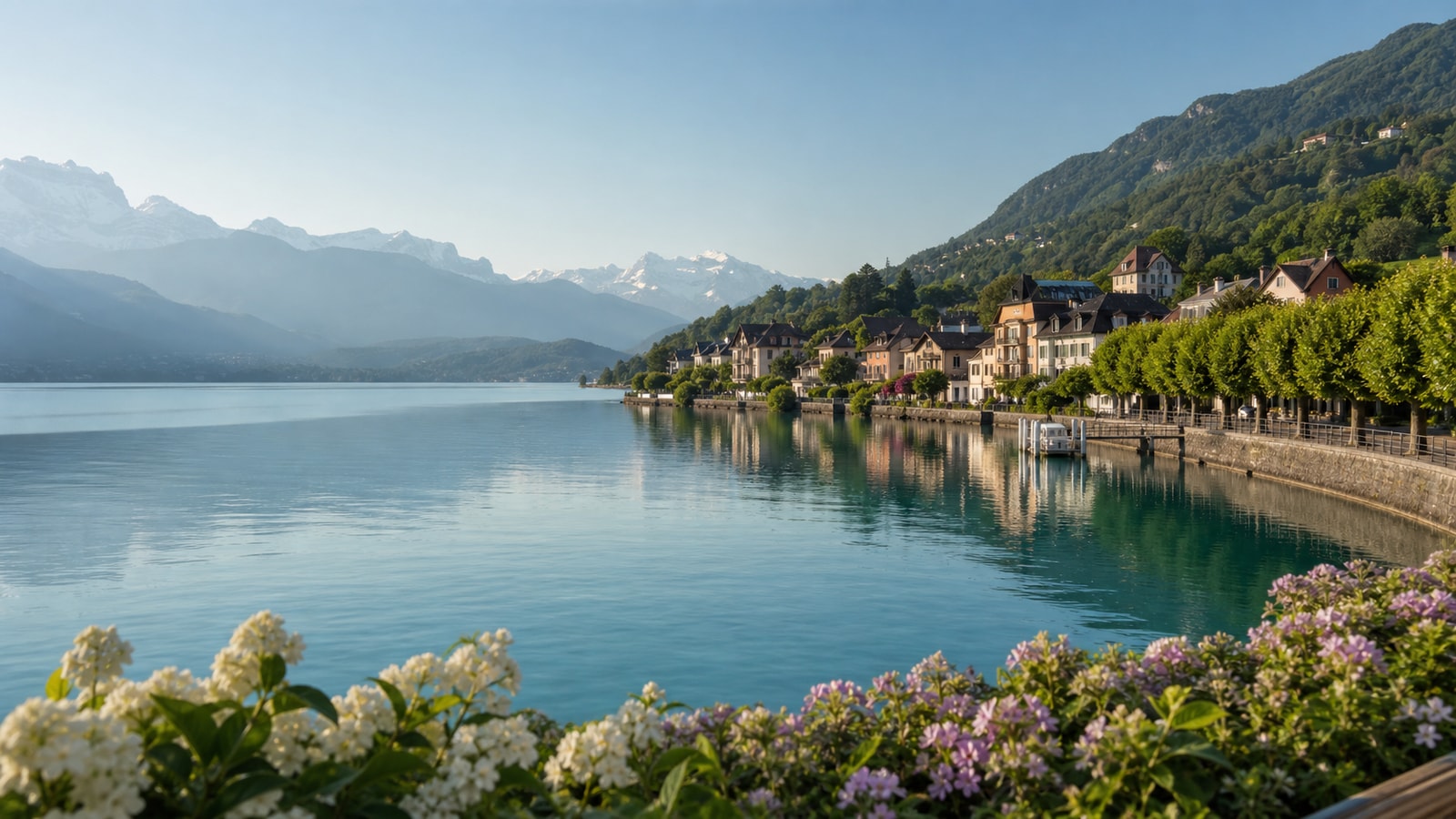
Savoie French Alps Highlights
A practical Savoie French Alps hub for Annecy, Chamonix, Mont Blanc, Vanoise, Beaufortain, Aravis, Chambéry, Aix-les-Bains and Lac du Bourget.
Open collection →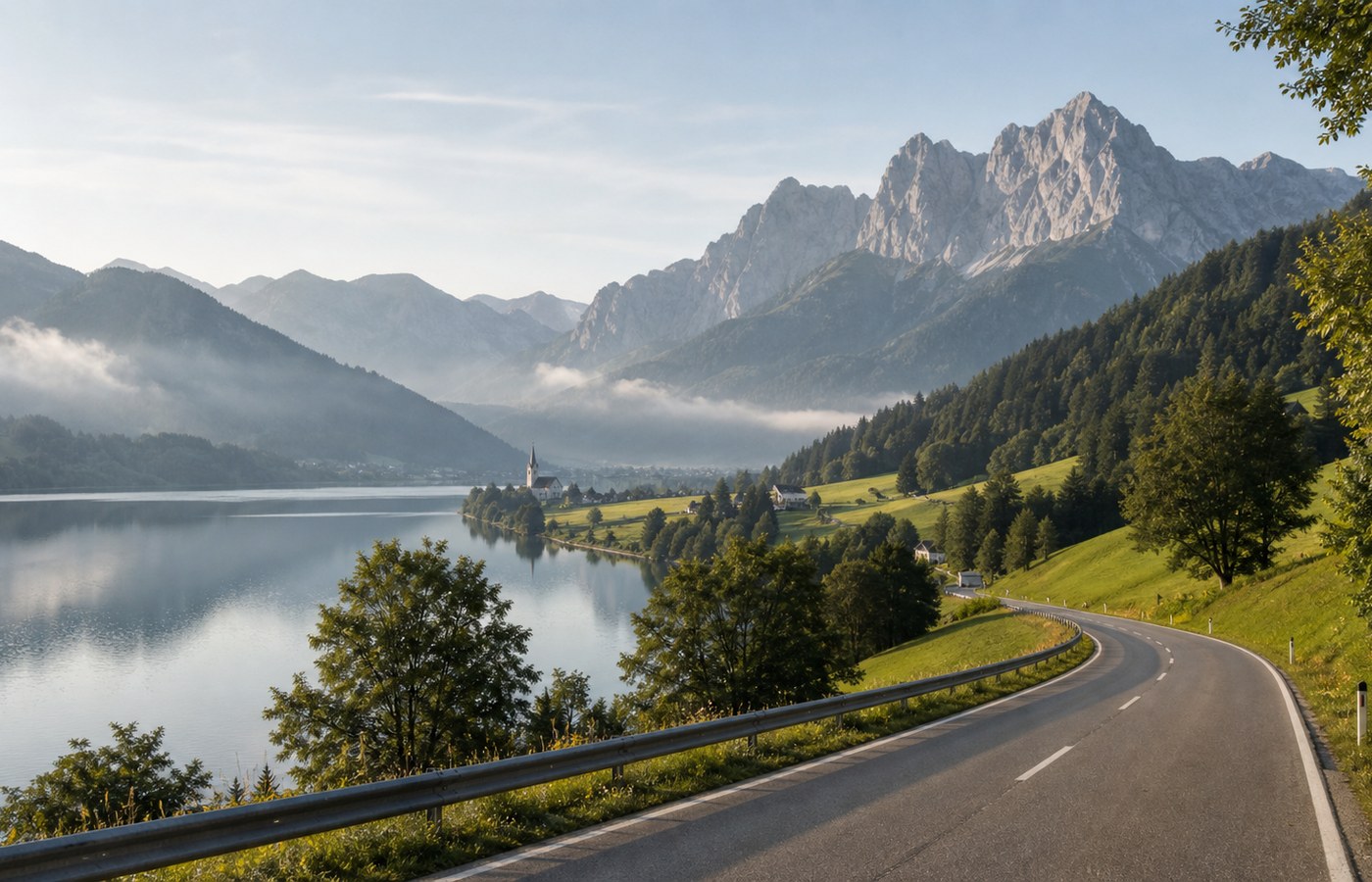
Bavaria & Austria: Alps Highlights
Plan a 7-, 10- or 14-day Alpine road trip, a ski week or winter days without skiing. Choose a base around daily journeys and your budget.
Open collection →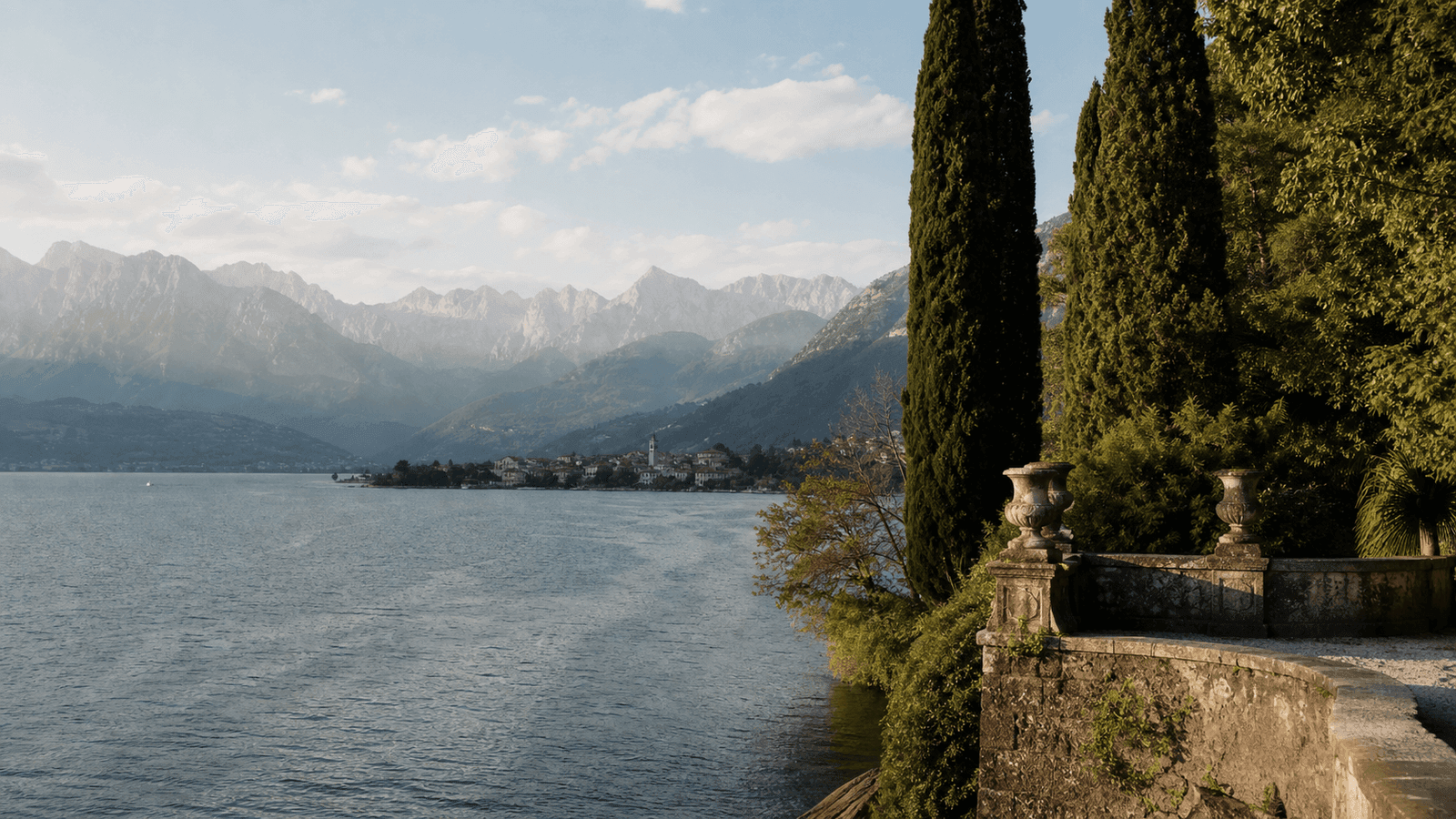
Northern Italy Highlights
Plan Northern Italy with counted nights in Verona, Lake Garda and the Dolomites, suitable mountain bases, transport choices and regional food.
Open collection →
Slovenia Road Trip Highlights
Slovenia in 5, 7 or 10 days: Ljubljana, Bled and Bohinj, Soča or the coast, with clear nights, mountain checks and practical budget choices.
Open collection →
Norway Fjords Road Trip Highlights
Norway’s fjords in 7, 10 or 14 days: a Bergen loop or an Ålesund finish, with 6, 9 or 13 nights and explicit travel days.
Open collection →