Guide
Best Small Towns in Northern Italy
A practical shortlist of atmospheric small towns and compact cities that add slower evenings, food stops and route texture between Northern Italy's lakes, mountains and major cities.
Quick facts
- Best time
- April-June, September-October
- Recommended duration
- Half day to 2 nights per town
- Budget range
- Low: 80-140 EUR/day · Mid: 150-270 EUR/day · Comfort: 320+ EUR/day
- With kids
- Yes
Orientation
Why small towns make Northern Italy better
Northern Italy can become a chain of famous stops if you only plan Milan, Venice, the lakes and the Dolomites. Smaller towns change the rhythm. They make space for markets, porticoes, aperitivo, quiet streets and meals that do not feel like route logistics.
The best small towns are not random extras. They should solve a route problem: a softer arrival, a food day between regions, a compact overnight before the mountains or a slower alternative to a busy city.
This shortlist focuses on towns that are useful as part of a real route, not only pretty on a map.

I would not add small towns as a separate checklist. Pick one or two that sit naturally on your route. Bergamo is excellent for arrival, Mantua is the best slow food-and-architecture pause, Bressanone works beautifully before or after the Dolomites, and Alba should be treated as its own food chapter rather than a quick detour.
Alex Travels · TravelHighlights.io
Highlights
Top highlights
Bergamo
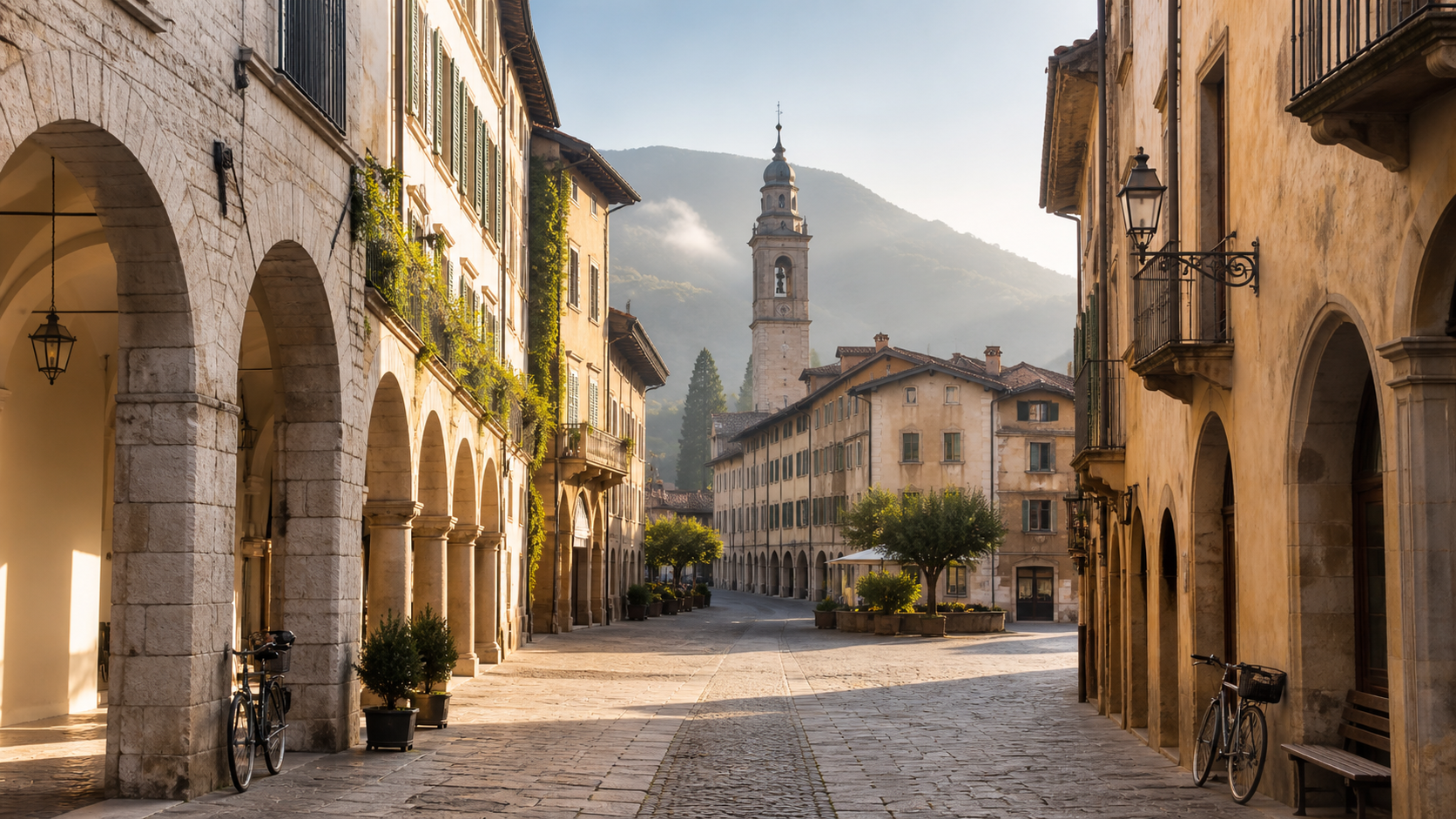
A compact hill-town arrival with rail and airport access, ideal when Milan feels too large for the first night.
Mantua
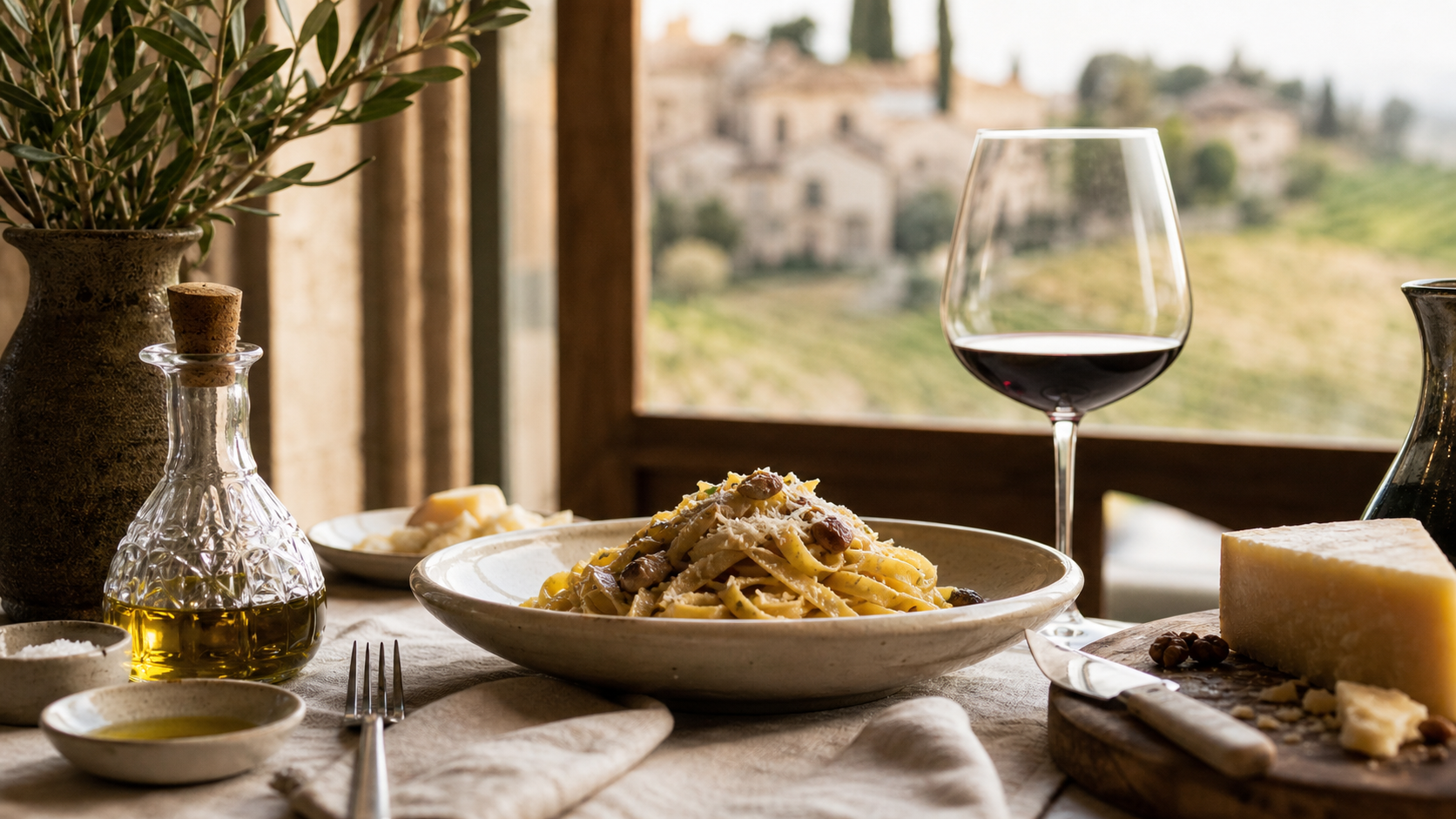
A calm architecture and food stop between Verona, Lake Garda and Emilia-Romagna, with water, porticoes and strong evening atmosphere.
Bassano del Grappa
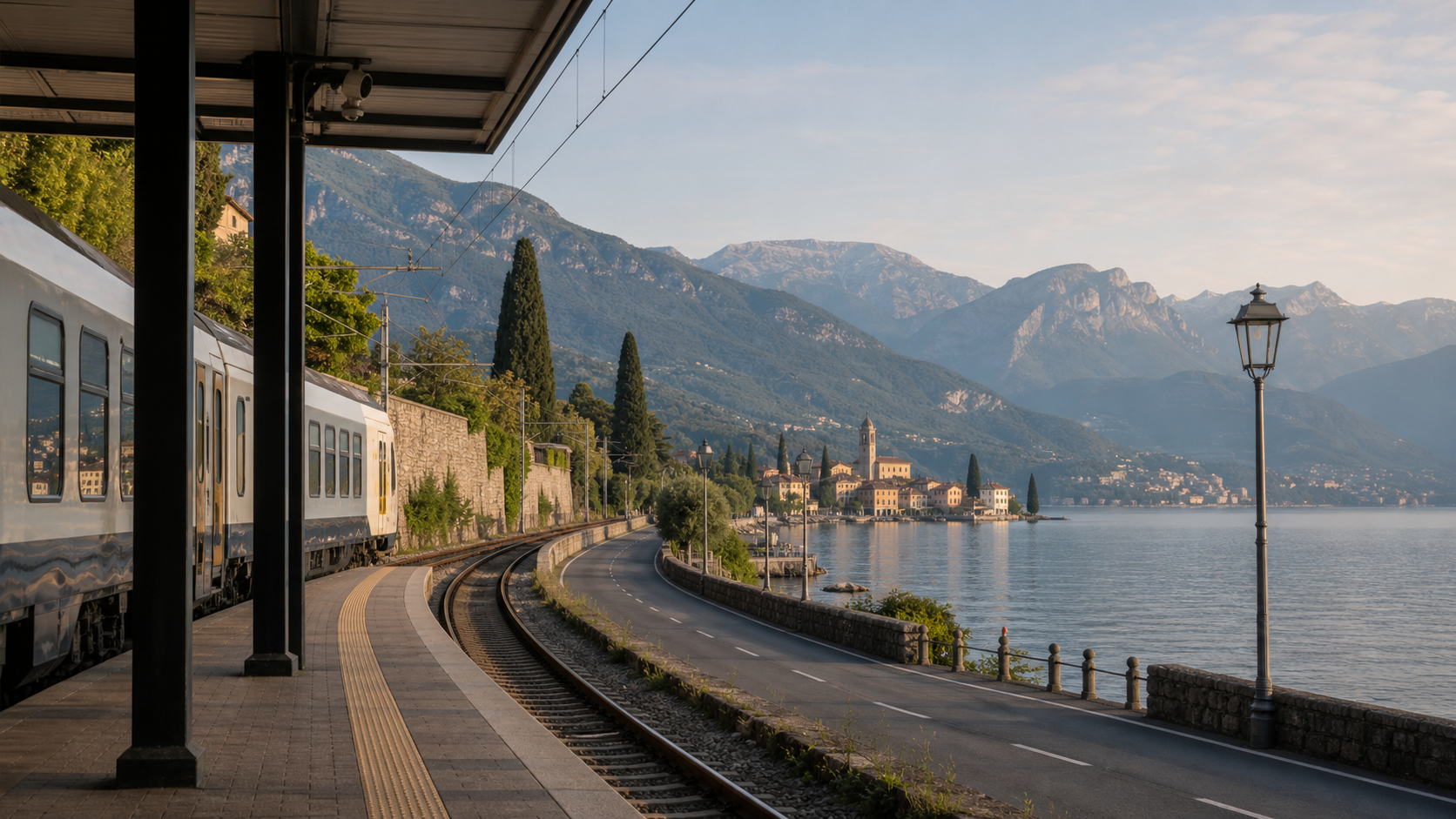
A useful Veneto foothills stop with a compact center, covered bridge and a clear sense of regional character.
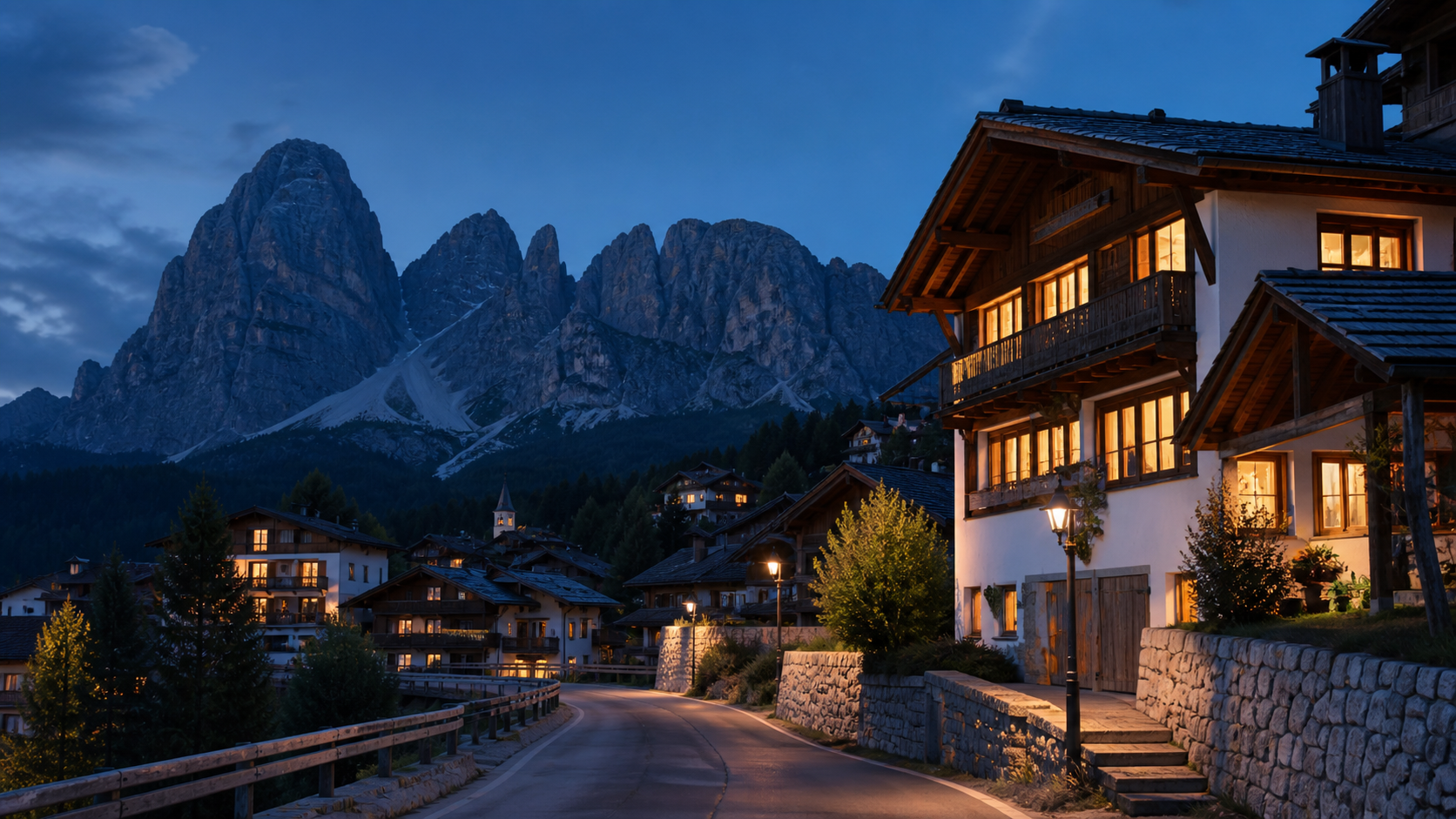
Bressanone
A South Tyrol town that works well before or after the Dolomites, especially if you want alpine-Italian contrast without staying deep in the mountains.
Alba
Best for Piedmont food and wine trips, especially in autumn, but it deserves time rather than a rushed detour.
Chioggia
A lagoon town that can feel more grounded than Venice when you want canals, seafood and slower edges of the Veneto.
Itinerary
Suggested itinerary
One-town add-on
The simplest way to add atmosphere without overloading the route.
- 1Arrival route: choose Bergamo instead of sleeping in Milan if flights and trains make sense.
- 2Lake or Verona route: add Mantua as a slower food and architecture pause.
- 3Dolomites route: add Bressanone or Merano before or after the mountains.
Three-town slow route
A calmer version for travelers who enjoy compact places more than big-city hopping.
- 1Night 1: Bergamo for arrival and a compact hill-town start.
- 2Night 2: Mantua or Bassano del Grappa as a slower transition stop.
- 3Night 3: Bressanone, Merano or another South Tyrol town before the Dolomites.
Food and wine version
Best when Piedmont is part of the trip rather than an afterthought.
- 1Night 1-2: Alba or the Langhe for food, wine and autumn atmosphere.
- 2Add-on: Mantua if the route continues east toward Verona or Lake Garda.
- 3Avoid: trying to combine Alba, Venice and the Dolomites in a very short itinerary.
Bases
Best base areas
Best for
Bergamo and the Lombardy edge
Arrival nights and a softer alternative to Milan
Pros
- Strong airport and rail access
- Atmospheric upper city without needing much time
- Good first or final night
Watch-outs
- Not a quiet village
- Can be busy on weekends
Best for
Mantua and the Po Valley
Food, architecture and a slower pause between regions
Pros
- Works between Verona, Lake Garda and Emilia-Romagna
- Easy to enjoy without a full sightseeing schedule
- Strong evening atmosphere
Watch-outs
- Less dramatic than lakes or mountains
- Summer heat can make midday flat
Best for
Veneto foothills
Bassano, Asolo and compact transitions toward the mountains
Pros
- Good bridge between Veneto, Venice region and pre-Alpine routes
- Compact centers and short walks
- Useful if you want less obvious stops
Watch-outs
- Easy to over-add as detours
- Public transport planning can be less direct
Best for
South Tyrol towns
Bressanone, Merano and softer Dolomites transitions
Pros
- Alpine-Italian atmosphere without staying deep in the mountains
- Useful before or after Dolomites bases
- Good with trains and slower days
Watch-outs
- Not a substitute for staying in a true mountain base
- Can pull the route apart if added without purpose
Best for
Piedmont food towns
Alba, Barolo and autumn food-focused trips
Pros
- Strongest for food, wine and slower travel
- Excellent in autumn
- Works well as its own short chapter
Watch-outs
- Not a casual detour from the Dolomites
- Requires route commitment from Milan, Turin or Liguria
Best for
Lagoon alternatives
Chioggia or Treviso when Venice feels too heavy
Pros
- Adds water, canals or Veneto atmosphere with less pressure
- Good before or after Venice
- Works for slower evenings
Watch-outs
- Does not replace Venice if Venice is the main goal
- Seasonal humidity and summer heat can matter
Planning notes
Avoid These Common Mistakes
Adding towns as decorative detours
A small town should solve a route problem or create a slower day. If it adds only parking and another check-in, it is not helping the trip.
Driving straight into historic centers
Many towns have ZTL zones, limited parking or confusing one-way streets. Park outside the center and walk in when possible.
Visiting only in the flat midday hours
Small towns are often best in the morning, late afternoon or evening. Midday can feel closed, hot or quieter than expected.
Choosing famous names over route fit
A town that fits your route will usually feel better than a more famous one that forces two extra hours of travel.
Trying to collect too many
One overnight town can add texture. Four rushed towns can make Northern Italy feel like errands.
Travel planning answers
Small towns in Northern Italy FAQ
What are the best small towns in Northern Italy for a first trip?+
Bergamo, Mantua, Bassano del Grappa, Bressanone and Alba are strong first choices because each has a clear route role rather than just being pretty.
Which small town is best near Milan?+
Bergamo is the easiest and most useful choice near Milan, especially for an arrival or departure night with more atmosphere and less scale.
Which small town is best before the Dolomites?+
Bressanone is one of the best choices before or after the Dolomites. Merano can also work well if you want a softer spa-town feeling.
Is Mantua worth adding?+
Yes, if your route moves between Verona, Lake Garda and Emilia-Romagna. It works best as a slower food and architecture pause, not as a rushed photo stop.
Are these towns good without a car?+
Bergamo, Mantua and Bressanone are relatively train-friendly. Bassano and Alba can work by rail too, but the surrounding countryside is easier with more planning or a car.
How many small towns should you add to a Northern Italy itinerary?+
For a 7-10 day trip, add one or two. More only makes sense if the trip is intentionally built around slower towns, food and regional travel.
Are small towns in Northern Italy good with kids?+
Yes, if you choose walkable centers, short loops and easy food stops. Avoid turning them into long museum-heavy days or repeated parking searches.
Worth it / Skip if
Worth it
Strong if you want calmer evenings and regional texture between the big scenic anchors.
Skip if
Skip extra towns when your route is already short, mountain-focused or changing bases too often.
With kids
Choose one walkable town with parking outside the center, a short old-town loop and easy food or gelato breaks.
Budget range
Low
80-140 EUR/day
Mid
150-270 EUR/day
Comfort
320+ EUR/day
Guide details
Choose towns for their role in the route
Small towns can make Northern Italy feel much more personal, but only when they have a job. They are not there to make the itinerary look fuller. The right one gives you a calmer arrival, a better food day, an easy evening between transfers or a softer bridge into the mountains.
Think in route roles: arrival town, food town, foothill town, South Tyrol town, lagoon town. If a place does not clearly improve the rhythm of the trip, leave it for another journey.
Bergamo: best for arrival with atmosphere
Bergamo is one of the easiest small-city wins in Northern Italy. The upper town gives you a historic setting, views, stone streets and a proper evening without the scale of Milan. It is especially useful if your flight arrives at Bergamo airport or if you want the first night to feel smaller and more atmospheric.
Use Bergamo as a first or final night, not as a rushed two-hour detour. Stay close enough to walk in the evening, and let the town do what it does best: make the trip begin gently.
Mantua: best for food, architecture and a slower day
Mantua is ideal when your route moves between Verona, Lake Garda and Emilia-Romagna. It has water around it, porticoes, palaces and a quiet food culture that rewards a slower pace.
It is not the most dramatic stop in Northern Italy, and that is part of the point. Mantua works when you want the route to breathe. Come for a half day if timing is tight, but an overnight gives it a much better rhythm.
Bassano del Grappa: best for Veneto foothills
Bassano del Grappa is useful when your trip touches Veneto, the foothills or a route toward the mountains. The center is compact, the wooden bridge gives the town a clear anchor and the whole place feels easy to understand without needing a heavy sightseeing plan.
It pairs well with Asolo or other Veneto hill towns, but do not overbuild the day. Bassano works best as one clear stop, not as the first of four small-town checkboxes.
Bressanone: best before or after the Dolomites
Bressanone gives you South Tyrol atmosphere without being deep in the high mountains. It is walkable, rail-friendly and useful before or after a Dolomites stay, especially if you want a softer transition from Italian city travel into alpine landscapes.
It should not replace a true Dolomites base if your goal is hiking or lift access. But as an arrival, recovery or weather-flexible night, it can be very practical.
Alba: best for Piedmont food and wine
Alba is not a casual detour from a Dolomites route. It belongs to a Piedmont chapter. If you are traveling through Turin, Milan, Liguria or the Langhe, it can be one of the most rewarding slower stops in Northern Italy.
Autumn is the strongest season, especially for food and wine. Give Alba at least one night, preferably two if you want to visit nearby villages, wineries or the surrounding hills without rushing.
Chioggia: best when Venice feels too heavy
Chioggia sits on the lagoon south of Venice and has canals, seafood and a more grounded rhythm. It is not a replacement for Venice if Venice is your main goal. It is better as a softer edge of the Veneto, especially when you want water and atmosphere without another major-city stay.
Use it before or after Venice, or as a calmer coastal-lagoon stop on a Veneto route.
How to choose the right town
Choose Bergamo for arrival, Mantua for food and architecture, Bassano del Grappa for Veneto foothills, Bressanone for a Dolomites transition, Alba for Piedmont food and wine, and Chioggia for a slower lagoon mood.
Do not ask which town is objectively best. Ask which one improves your route. The best small town is often the one that sits exactly where you need a slower evening.
How many small towns to add
For a 7-10 day Northern Italy trip, add one or two small towns. One overnight town can change the rhythm of the trip in a good way. Too many can make the route feel like errands.
For a slower two-week journey, you can build a route around compact places: Bergamo, Mantua, Bressanone and Alba all work as short chapters. Just avoid turning every day into a new check-in.
Practical planning notes
Check ZTL rules before driving into historic centers. In many places, the calmest option is to park outside the old town and walk in. Also pay attention to timing: small towns often feel best in the morning, late afternoon and evening. Midday can be hot, closed or quieter than expected.
The point of adding small towns is not to see more. It is to make the journey feel less mechanical.
Sources & Last updated
Last updated: 2026-06-13
Sources
- TravelHighlights editorial: Editorial planning guide. Verify ZTL rules, parking, market days and seasonal restaurant openings before travel.
Nearby / next stop
FOOD
Last updated 2026-06-13
Food Experiences in Northern Italy
A route-aware food guide to Northern Italy, from Emilia-Romagna and Piedmont to lake towns, Veneto and South Tyrol.
Read guide →TRANSPORT
Last updated 2026-06-13
Train vs Car in Northern Italy
A practical transport guide for Northern Italy: use trains for Milan, Verona, Bologna and Venice, then rent a car only where lakes, South Tyrol and the Dolomites need flexibility.
Read guide →Save to WanderSpend
Save to WanderSpend
Planning from this guide? Keep your route, places, documents, daily notes and budget together in one private WanderSpend trip space.