Guide
Great Ocean Road with kids: plan 1 to 3 days
Clear family routes with one or two nights, specific play and waterfront breaks, easier-access viewpoints and a transparent budget.
Save it for later on this device or print a clean planning copy.
Quick facts
- Best time
- Match travel dates to school holidays and daylight, Choose beach breaks around current conditions
- Recommended duration
- 3 days / 2 nights for the full loop
- Budget range
- Low: Price a shared car and family room · Mid: Add food, fuel and child seats · Comfort: Extra nights and booked activities separately
- With kids
- Yes
Orientation
Coastal breaks rather than continuous scenic driving
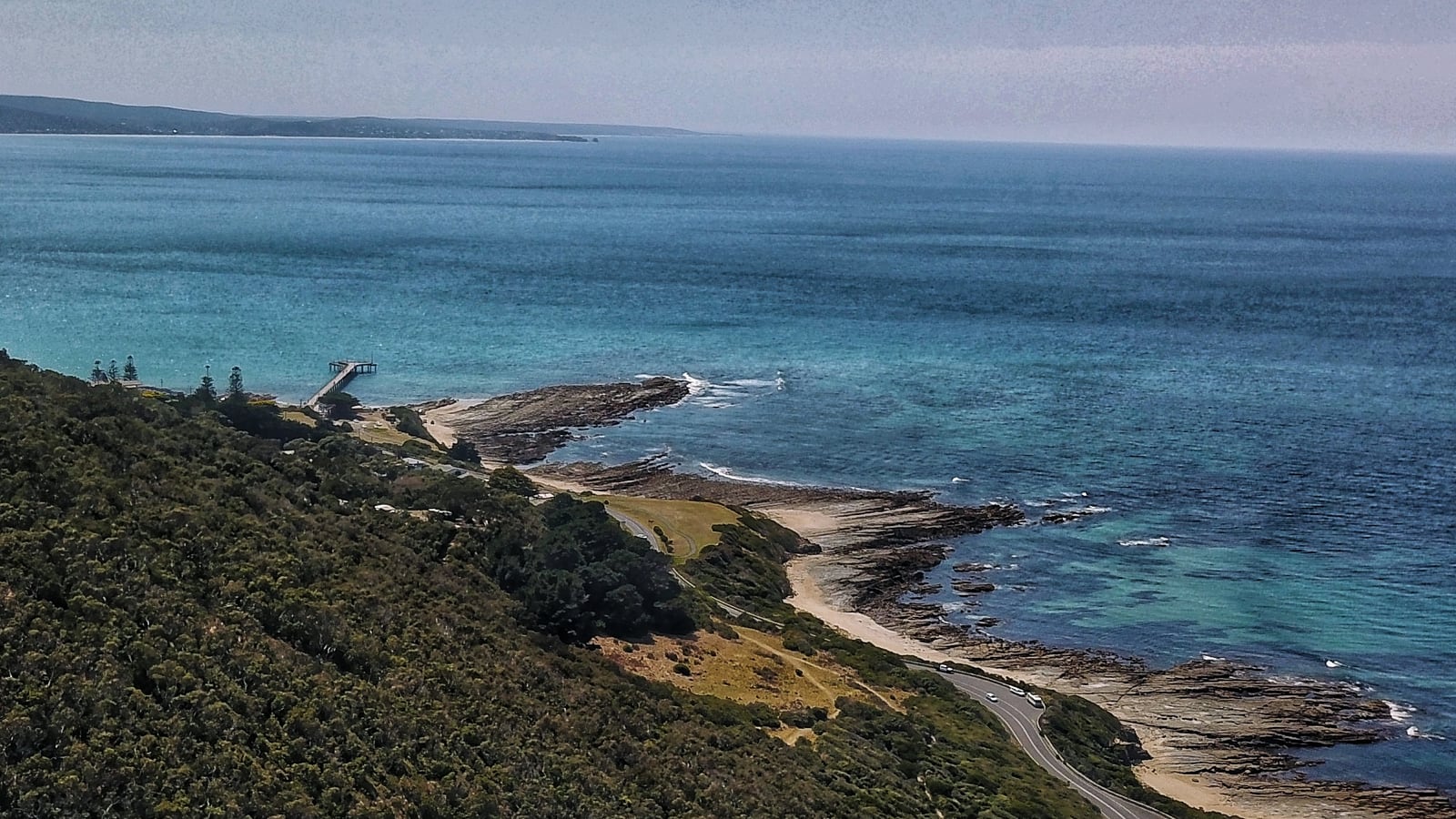
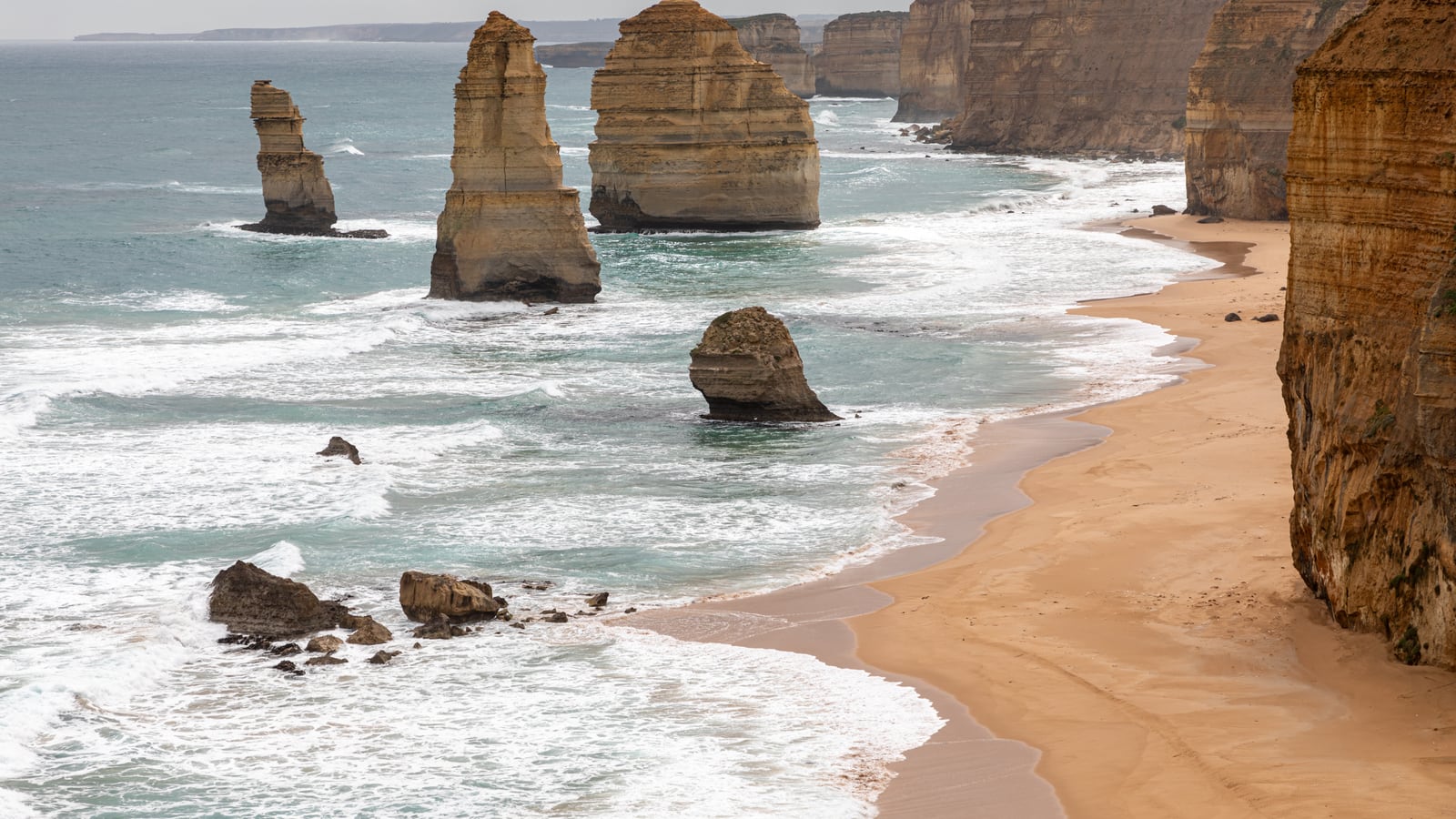
Torquay or Anglesea can break up the start, with town and food stops in Lorne and Apollo Bay. In the west, Port Campbell playground complements a short main visit to the Twelve Apostles.
The complete loop also needs a return day. One Apollo Bay night and one Port Campbell night spread the approach, cliffs and homeward drive across three days.

After the main viewpoint, I would head to Port Campbell playground first. A second upper lookout is optional if everyone still wants it. With just one free day, I would choose the eastern coast.
Alex Travels · TravelHighlights.io
Keep planning
Choose the next useful step
Jump straight to the next relevant part of your trip.
Guide map
- Torquay
- Anglesea
- Lorne
- Apollo Bay
- Twelve Apostles
Itinerary
Suggested itinerary
1 day: eastern coast
A shorter Melbourne return trip without the Twelve Apostles.
- 1Choose Torquay or Anglesea for the first break.
- 2Add Lorne only with enough time, then return to Melbourne.
2 days / 1 night
Apollo Bay is the only night; return on day 2.
- 1Day 1 Melbourne, one Torquay or Anglesea break, Lorne, Apollo Bay.
- 2Day 2 Twelve Apostles and at most one additional short stop, then return to Melbourne. No sunset programme.
3 days / 2 nights
Apollo Bay and Port Campbell, with a dedicated return day.
- 1Day 1 eastern coast, night in Apollo Bay.
- 2Day 2 Twelve Apostles and Port Campbell playground, night in Port Campbell.
- 3Day 3 a short upper viewpoint if conditions suit, then return to Melbourne.
Interactive packing list
Packing list for Australia
Powered by Plantrip
Check off the essentials as you prepare. This interactive list is provided by PlanTrip.
Bases
Best base areas
Best for
Lorne
Comfort and easy first-day stop
Pros
- Beach and food access
- Good for slow starts
Watch-outs
- Too far east for a tight Twelve Apostles day
Best for
Apollo Bay
Balanced family overnight
Pros
- Practical meals and lodging
- Good midpoint feel
- Works for 2-day routes
Watch-outs
- Peak family dates book quickly
Best for
Port Campbell
Reducing cliff-area fatigue
Pros
- Close to Twelve Apostles
- Better if sunset or sunrise matters
Watch-outs
- Smaller town and fewer options
Planning notes
Avoid These Common Mistakes
Calling day 3 optional when it contains the return
On a two-day trip, the Melbourne return must happen on day 2; a Port Campbell night is not included.
Inferring pram access from a photograph
An upper lookout and the beach below can have entirely different approaches.
Confusing a four-person trip with a per-person budget
Calculate room occupancy, seat needs, food and actual admission categories together.
Travel planning answers
Family planning
Is one day enough?+
Yes for a shorter drive along the eastern coast. This guide recommends three days and two nights for the full Twelve Apostles loop.
Where do the nights belong?+
In the three-day plan, night 1 is Apollo Bay and night 2 Port Campbell; day 3 is the return. The two-day version has only Apollo Bay.
Which viewpoint suits a pram?+
The developed Saddle Lookout at the Twelve Apostles or the short sealed approach to London Bridge’s upper platform. Check current routes and restrictions first.
Where is a specific play stop?+
Port Campbell Playground has slides, swings and climbing nets, with toilets nearby. Check opening and suitability for your child’s age locally.
How do I calculate the family budget?+
Add the shared rental, suitable room, fuel and food for everyone; include child seats and booked activities. The main text contains an explicitly hypothetical example.
Worth it / Skip if
Worth it
The route suits families happy with short viewpoints and town stays who explicitly count the return drive.
Skip if
With little tolerance for winding drives, choose the eastern coast or add nights. The Twelve Apostles need not be part of the same outing.
With kids
Choose upper platforms with a pram; assess steps and cliff paths separately with walking children. Motion sickness and rest needs determine stage length.
Budget range
Low
Price a shared car and family room
Mid
Add food, fuel and child seats
Comfort
Extra nights and booked activities separately
Guide details
Realistic driving days
Allow three days and two nights for a Melbourne return loop: Apollo Bay first, Port Campbell next, then return on day 3. With two days, remove the Port Campbell night and return on day 2. With only one day, I would choose Torquay or Anglesea and perhaps Lorne without forcing the Twelve Apostles.
With young children, manageable time in the seat matters. Plan breaks around actual needs, particularly on the winding coastal section. If motion sickness or sleep patterns require short stages, extend the trip or shorten the distance.
Beach stops and easy nature breaks
Torquay or Anglesea offer a first town and waterfront break; Lorne or Apollo Bay can combine food with a short walk. A beach name is not permission to swim. Choose a currently patrolled area between the displayed flags and follow local advice; stay on land when conditions are unsuitable.
The new Twelve Apostles Saddle Lookout has an even concrete surface. For another short viewpoint, regional tourism lists a sealed 150 m return path to the upper platform at London Bridge. Beach stairs and the lower Grotto paths are separate choices.
A specific play break is Port Campbell Playground, with slides, swings and climbing nets. The tourism organisation describes accessible play and barbecue areas and toilets. Match equipment to age and ability; the playground does not replace supervision.
What to skip
Cut repeated cliff viewpoints and extra forest detours first. With a pram, I would choose upper platforms and avoid committing to a beach descent. For older children, one selected walk may offer more than several short drives between similar viewpoints.
Snacks, groceries and budget
Calculate for the whole family. A purely hypothetical example for two adults and two children, three days and two nights: rental 3 × AUD 80 = 240, family room 2 × 200 = 400, food for everyone 3 × 100 = 300, total fuel 100. Total: AUD 1,040 for the family. These are assumptions, not current offers; flights, child seats, protection packages and paid activities remain additional. A room rate applies only when the actual occupancy is permitted.
Family route recommendation
Day 1 follows the eastern coast to Apollo Bay with an initial break. Day 2 covers the main viewpoint and time in Port Campbell. Day 3 remains for the return and at most one short extra stop. This is a starting plan; add a night if you need a full beach day.
Where to go next
The itinerary guide explains the drive, and the where to stay guide compares bases. Use the Twelve Apostles guide for current beach and stair access.
Sources & Last updated
Last updated: 2026-09-07
Sources
- Tourism Australia: Official Great Ocean Road planning context(checked: 2026-06-19)
- Visit Great Ocean Road: Regional visitor information for Great Ocean Road towns and family-friendly route context(checked: 2026-06-19)
- Parks Victoria: Port Campbell National Park visitor context for cliff areas and walking stops(checked: 2026-06-19)
- Great Ocean Road Regional Tourism – accessible views and playground: Checked Saddle Lookout surface and Port Campbell playground facilities.(checked: 2026-09-07)
- Great Ocean Road Regional Tourism – London Bridge: Checked sealed 150 m return path to the upper platform.(checked: 2026-09-07)
For your trip planning
Travel Services
Useful services for your trip. Choose what fits your plans.
Affiliate offers: We may earn a commission if you book. External search forms load only when opened, sharing data with Travelpayouts and the provider.
Nearby / next stop
ROUTE · ROADTRIP
Essential
Last updated 2026-09-07
Great Ocean Road: an itinerary for 1, 2 or 3 days
One coastal section or the full Melbourne loop: clear Apollo Bay and Port Campbell night plans, driving times and specific cuts.
Read guide →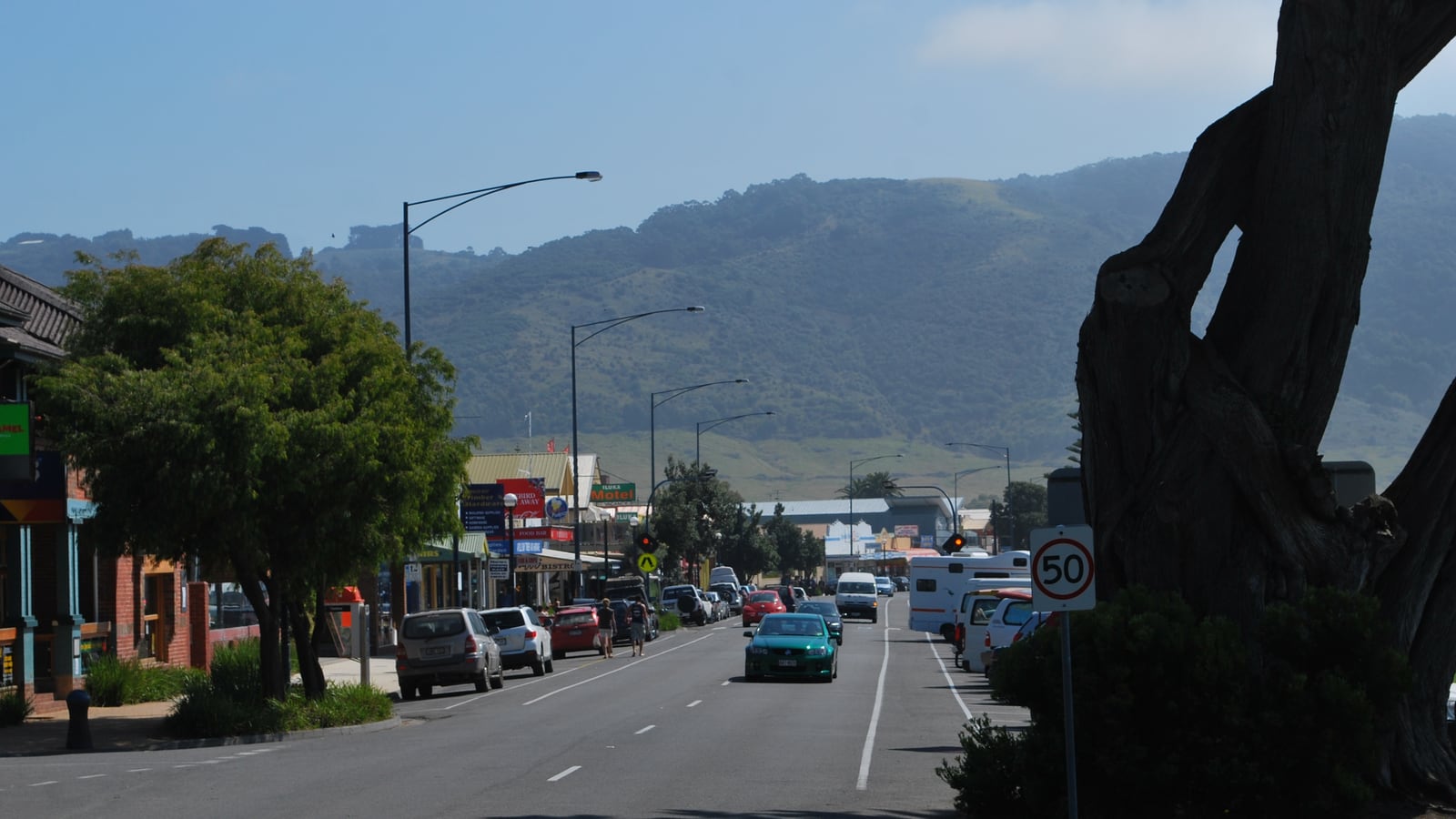
BASE · PLANNING
Last updated 2026-09-07
Great Ocean Road: Apollo Bay or Port Campbell?
One or two nights: compare Apollo Bay, Lorne, Port Campbell and Warrnambool by approach, viewpoint days, return route and room needs.
Read guide →