Guide
Food Experiences in Northern Italy
A route-aware food guide to Northern Italy, from Emilia-Romagna and Piedmont to lake towns, Veneto and South Tyrol.
Save it for later on this device or print a clean planning copy.
Quick facts
- Best time
- April-June, September-November
- Recommended duration
- 2-5 food-focused days
- Budget range
- Low: 85-150 EUR/day · Mid: 170-330 EUR/day · Comfort: 420+ EUR/day
- With kids
- Yes
Orientation
Why food should shape the route
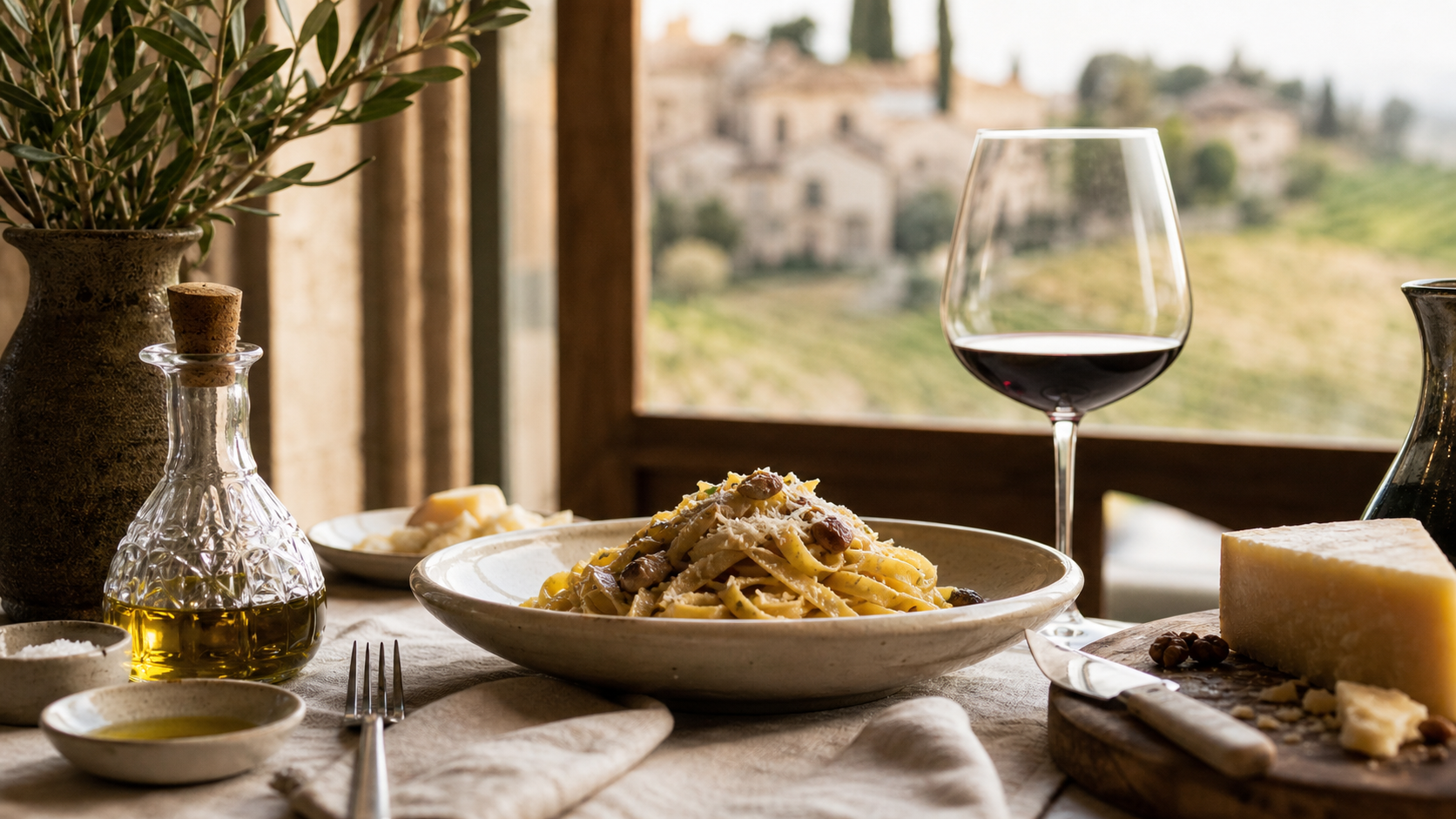
Northern Italy changes quickly from region to region. A few hours can take you from handmade pasta and Parmigiano to lake fish, alpine hut food, Piedmont wine or South Tyrol dumplings.
The best food experiences are usually not the most complicated ones. They are well-timed, regional and built into the route so they slow the trip down rather than create another obligation.
This guide helps you choose one or two food anchors instead of trying to turn every meal into a reservation.

I would choose one food region before adding restaurant names. Bologna or Modena is the easiest first food anchor. Alba and the Langhe are wonderful, but only if Piedmont gets real time. South Tyrol works best when food is woven into mountain days: huts, simple dinners and good wine after a walk. Do not make every meal important. That makes a trip feel heavier, not better.
Alex Travels · TravelHighlights.io
Keep planning
Choose the next useful step
Jump straight to the next relevant part of your trip.
Guide map
- Bologna
- Modena
- Parma
- Alba
- Mantua
- Bardolino, Lake Garda
- Bolzano
- Merano
Highlights
Top highlights
Bologna and Modena
The easiest food chapter to add by train, with pasta, markets, Parmigiano, balsamic traditions and strong city stays.
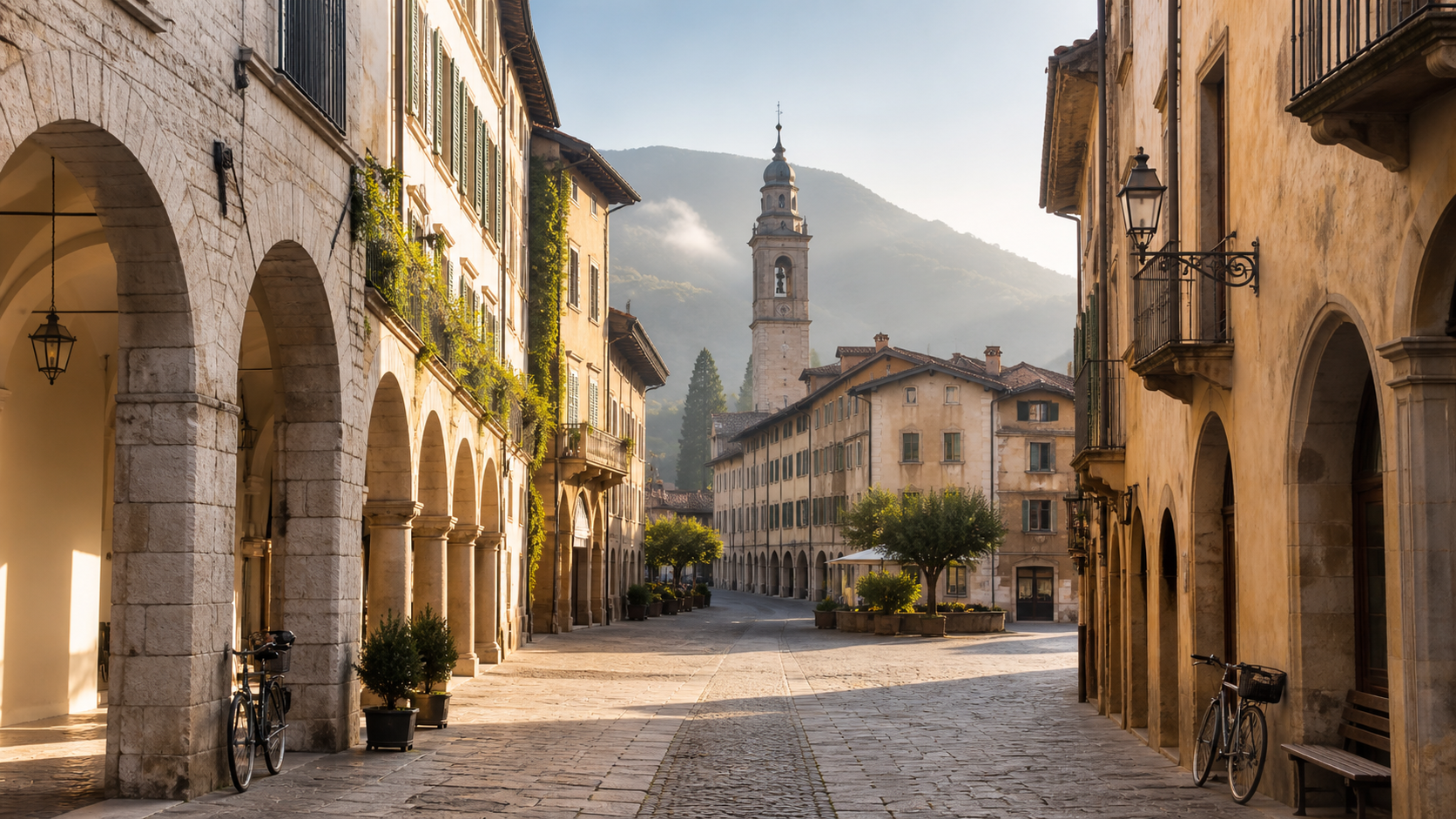
Alba and the Langhe
Best for Piedmont food, wine, hazelnuts and truffle season, but it deserves time rather than a rushed detour.
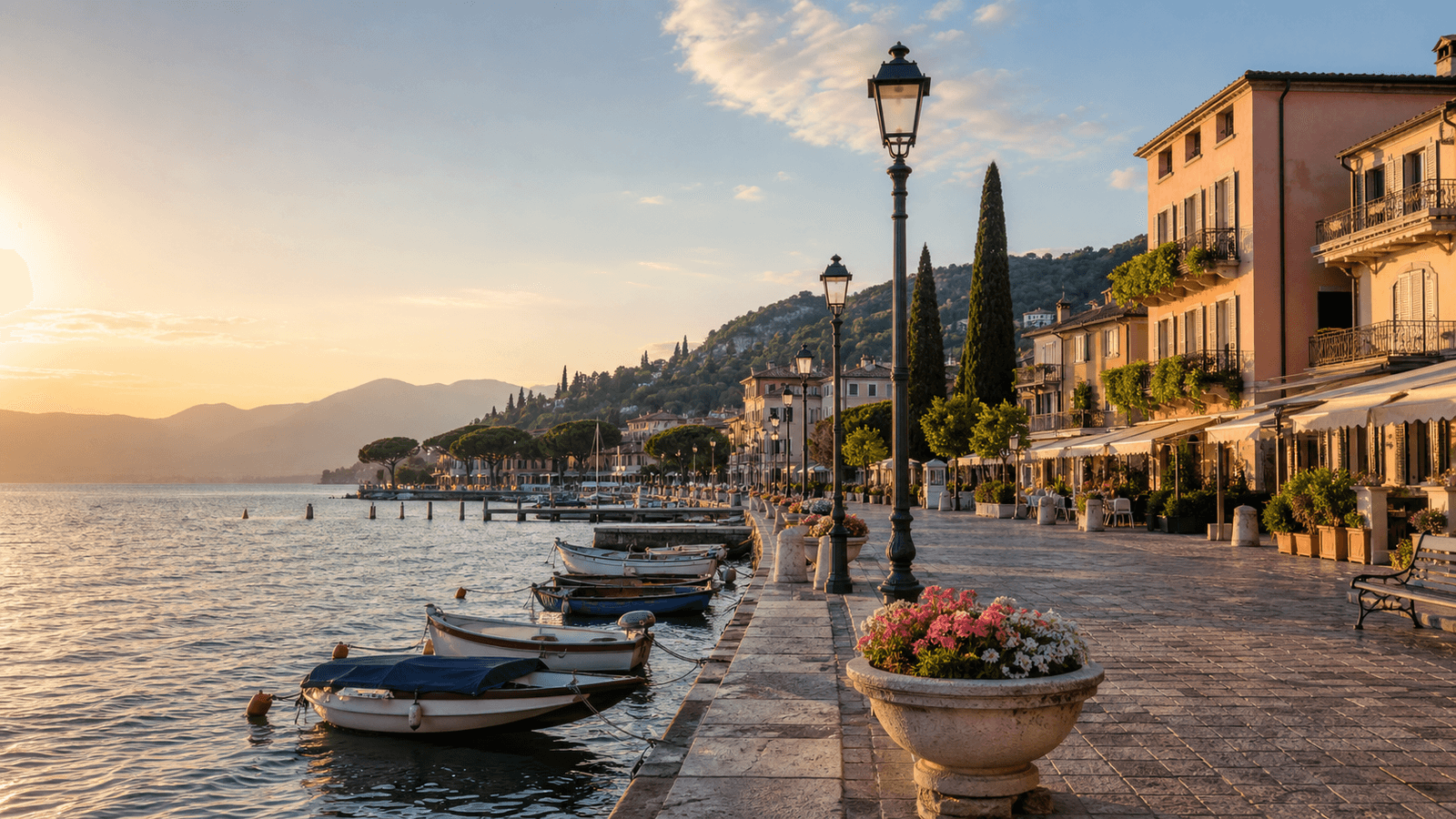
Lake towns and Lombardy
Good for risotto, lake fish and lighter lunches when the route already includes Lake Garda, Lake Como or nearby towns.
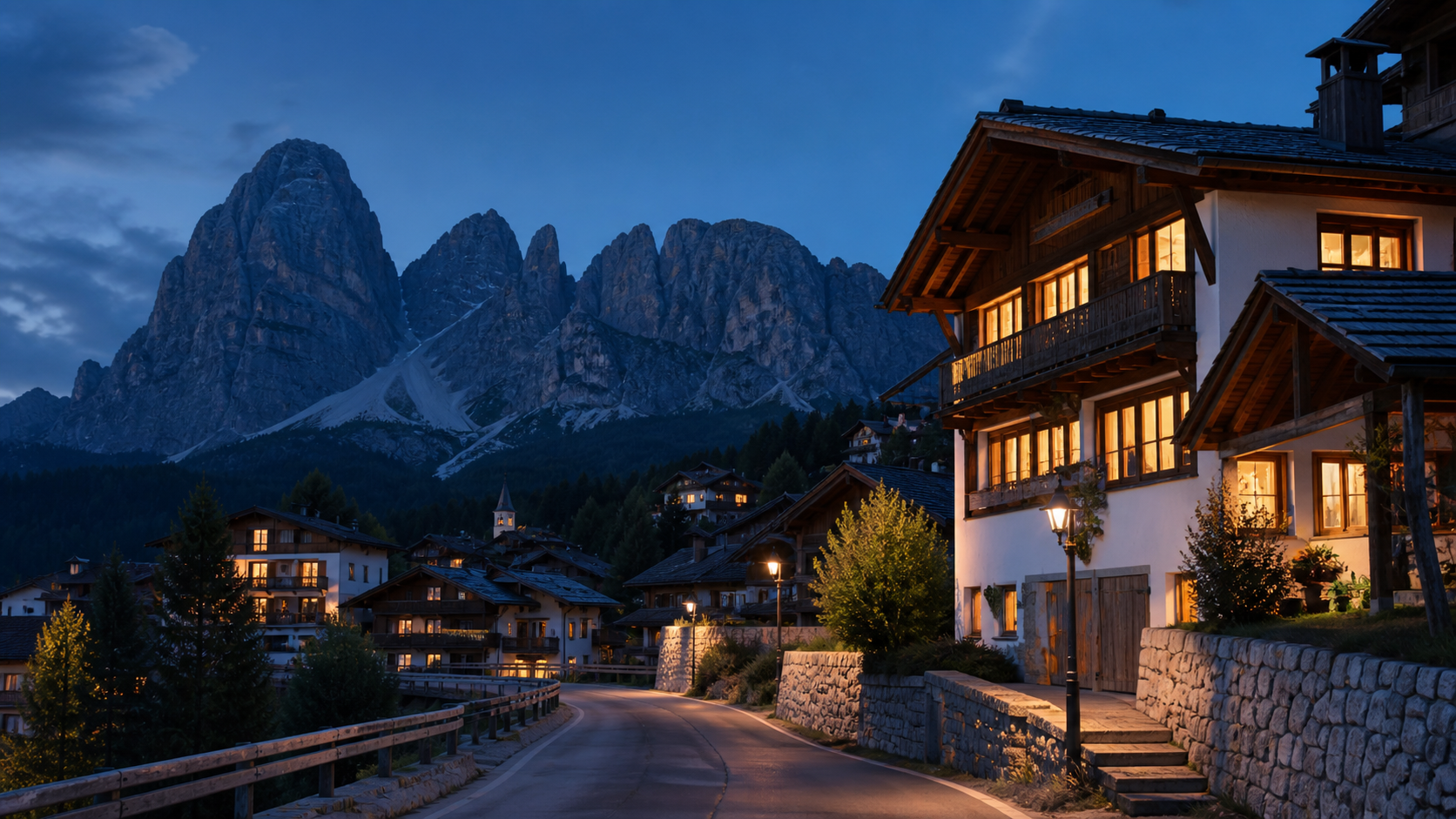
South Tyrol
Alpine-Italian food works beautifully around mountain days: huts, dumplings, apple regions, wine and structured hospitality.
Verona, Mantua and Veneto
A practical food layer for routes between Lake Garda, Venice and Emilia-Romagna, especially if you want slower evenings.
Mini itinerary
- 1Bologna or Modena: pasta, markets and balsamic tradition
- 2Alba and the Langhe: wine, hazelnuts and autumn food
- 3Lake Garda and Lombardy: risotto, lake fish and relaxed lunches
- 4South Tyrol: mountain huts, dumplings and alpine-Italian meals
Interactive packing list
Packing list for Italy
Powered by Plantrip
Check off the essentials as you prepare. This interactive list is provided by PlanTrip.
Bases
Best base areas
Best for
Emilia-Romagna
Pasta, markets, Parmigiano and balsamic traditions
Pros
- Easiest food region to add by train
- Bologna, Modena and Parma work well as a compact route
- Strong even without expensive reservations
Watch-outs
- Can become too restaurant-heavy if every meal is planned
- Summer heat can make midday less pleasant
Best for
Piedmont
Wine, truffles, hazelnuts and slower countryside meals
Pros
- Excellent in autumn
- Alba and the Langhe feel like a real food chapter
- Strong for couples and slower itineraries
Watch-outs
- Not a quick detour from the Dolomites
- Better with a car or careful regional planning
Best for
Lake Garda, Lake Como and Lombardy
Risotto, lake fish and relaxed lunch stops
Pros
- Easy to weave into lake days
- Good for lighter meals and scenic lunch pauses
- Works well with family-friendly pacing
Watch-outs
- Tourist-heavy towns require careful restaurant choice
- Less destination-defining than Emilia-Romagna or Piedmont
Best for
South Tyrol
Mountain huts, dumplings, wine and alpine-Italian rhythm
Pros
- Food fits naturally into hiking and lift days
- Good hospitality structure
- Strong in both summer and winter
Watch-outs
- Hut and lift seasons affect planning
- Special meals can require logistics around driving and weather
Best for
Veneto, Verona and Mantua
Aperitivo, risotto, slower evenings and route-friendly pauses
Pros
- Fits naturally between Lake Garda, Venice and Emilia-Romagna
- Good for compact food stops without major detours
- Strong evening atmosphere
Watch-outs
- Easy to choose tourist-facing restaurants in busy centers
- Needs ZTL and parking awareness when driving
Planning notes
Avoid These Common Mistakes
Turning every meal into a project
A trip becomes heavier if every lunch and dinner is reserved. Choose one or two meals that matter and keep the rest flexible.
Adding Alba as a casual detour
Piedmont is worth it when it has time. It is less satisfying as a rushed side trip from a lake or Dolomites route.
Forgetting closing days
Many restaurants close one or two days per week. Check opening days before building a route around a specific lunch.
Planning tastings before driving
Arrange a transfer or a driver who does not drink for wine tastings. Staying nearby still requires a plan for getting back.
Eating only on the main square
In lake towns and famous cities, the most visible restaurants are not always the best fit. Walk a little farther and keep expectations regional.
Travel planning answers
Food experiences in Northern Italy FAQ
What is the best food region in Northern Italy for a first trip?+
Emilia-Romagna is the easiest first food anchor because Bologna, Modena and Parma are train-friendly, regional and strong without needing a complicated route.
Is Piedmont worth adding for food?+
Yes, if you can give Alba and the Langhe at least two nights or a real route chapter. It is less worthwhile as a rushed detour from the Dolomites or Lake Garda.
Do you need reservations?+
For special restaurants, weekends and small towns, yes. For everyday trattorie and simpler meals, keep some flexibility. Also check closing days.
How many food-focused meals should you plan?+
For a 7-10 day trip, plan one or two important meals and leave the rest simple. That usually feels better than trying to make every meal a highlight.
Which food stops work with kids?+
Markets, trattorie, lake lunches and South Tyrol huts work well. Avoid building the whole trip around long tasting menus or late dinner reservations.
What is the best time for food in Northern Italy?+
Spring and autumn are strongest for calmer meals and regional produce. Autumn is especially good for Piedmont, while summer works well around lakes and mountain huts if you book carefully.
Can food experiences fit into a roadtrip?+
Yes, but the best food stops should sit naturally on the route. If a meal creates a long detour, it often makes the trip feel less calm.
Worth it / Skip if
Worth it
Very strong if you want food to shape the route instead of being squeezed between transfers.
Skip if
Skip special food detours if your itinerary leaves no room for longer lunches, regional stops or reservations.
With kids
Choose trattorie, markets and simple regional meals; keep only one or two longer reservations in the whole trip.
Budget range
Low
85-150 EUR/day
Mid
170-330 EUR/day
Comfort
420+ EUR/day
Guide details
Food is part of the route, not an add-on
Northern Italy is one of the easiest places to make food part of the journey, but also one of the easiest places to over-plan. Pasta in Bologna, balsamic traditions in Modena, wine in Piedmont, lake fish around Garda or Como, and mountain hut meals in South Tyrol all sound tempting. They do not all need to fit into the same trip.
The best approach is to choose one or two food anchors and let them shape the route. Food should slow the day down, not create another transfer.
Emilia-Romagna: Bologna, Modena and Parma
If you want one reliable food chapter, choose Emilia-Romagna. Bologna is the easiest base because it works by train, has strong markets and makes a simple food day feel natural. You do not need a complex tasting schedule for Bologna to be rewarding.
Modena is useful if you want balsamic traditions, food shops and a smaller city rhythm. Parma is strong for Parmigiano and prosciutto traditions, and it can feel calmer than Bologna if you want a quieter base.
This region is best when you give it time to breathe: one good lunch, one evening walk, one market or food shop, not five reservations in a row.
Piedmont: Alba, Langhe and autumn food
Piedmont is wonderful, but it needs commitment. Alba and the Langhe work best when the route already includes Turin, Milan, Liguria or a dedicated food-and-wine chapter. They are not ideal as a quick side trip from the Dolomites.
Autumn is the strongest season, especially for truffles, wine, hazelnuts and slower countryside meals. Stay locally if wine is part of the plan, or keep the day simple if you are driving.
Lakes and Lombardy: risotto, lake fish and slower lunches
Lake food is usually best when it stays relaxed. Around Lake Garda, Lake Como and parts of Lombardy, look for risotto, lake fish, simple pasta, local wines and lunches that fit the pace of the day.
The trap is choosing only by view. A beautiful table on a busy lakefront can still be a weak meal. Walk a little beyond the obvious strip, or choose towns where you can combine a short walk with a slower lunch.
South Tyrol: huts, wine and alpine-Italian meals
South Tyrol is one of the easiest places to connect food with the landscape. Mountain huts, dumplings, apple regions, wine and structured hospitality all fit naturally into hiking, lift rides and village evenings.
This is not where you need a long fine-dining plan every night. Often the best food moments are simple: a hut lunch after a walk, a glass of local wine in the evening, or a hotel dinner that keeps the day calm.
Veneto, Verona and Mantua: food that fits the route
Verona, Mantua, Bassano del Grappa and parts of Veneto are useful because they sit naturally between bigger route chapters. They are good for aperitivo, risotto, regional pasta, grappa traditions, food shops and evenings that do not require major planning.
Mantua is in Lombardy; it appears here as a route connection with Veneto. It is especially useful between Lake Garda, Verona and Emilia-Romagna. It gives the route a slower food-and-architecture pause without pulling you far away from the rest of Northern Italy.
How to plan food days
Choose one meal that matters and keep the rest easy. A good food day might be a market in the morning, a longer lunch, a short walk and a simple dinner. It does not need to be a full calendar of tastings.
Arrange the return from a wine tasting before reserving: book a transfer or choose a driver who does not drink. Even if you stay nearby, check how you will get back.
Reservations and timing
Book ahead for special restaurants, weekends, small-town favorites and peak seasons. Always check closing days. In Italy, a carefully planned food day can fall apart quickly if the place you built the route around is closed on Tuesday.
Also respect the timing of the day. Long lunches work well when you are not trying to drive three hours afterward. Late dinners can be harder with children. Markets and food shops are often better earlier than expected.
Final planning rule
For most Northern Italy trips, choose one food region and one lighter food stop. Bologna plus Mantua. Alba plus one Piedmont village. Lake Garda plus South Tyrol huts. That is usually more memorable than trying to collect every famous flavor in one route.
A concrete food day from Bologna
Stay three nights in Bologna: arrival, a full city day, an excursion day and departure. For the city day choose Mercato delle Erbe or the Quadrilatero, then a meal of tagliatelle al ragù or tortellini according to appetite. Ask directly about filling and broth if you have dietary requirements; filled pasta is not automatically vegetarian.
On the second full day, travel to Modena by train and visit Mercato Albinelli. Market stalls, food venues and tours can keep different hours. A booked acetaia visit is a separate balsamic experience: confirm address, language and transfer rather than treating a shop purchase as a production tour. Parma is an alternative to Modena, not another required stop that day.
In Mantua, tortelli di zucca and sbrisolona provide specific local choices. South Tyrol suggests Schlutzkrapfen or dumplings. Around Alba, tajarin and hazelnut dishes can shape the meal; truffles are dependent on season and price rather than guaranteed in every autumn menu.
The everyday food allowance does not cover unlimited tastings or transfers. Price a special meal separately and check which drinks are included. The planned non-drinking driver or return transfer still matters for small tasting portions.
Daily allowances are per adult for two sharing a room and vehicle costs, including accommodation, food, local transport and selected admissions, excluding arrival travel. They are editorial planning estimates, not current quotes.
Sources & Last updated
Last updated: 2026-09-07
Sources
- TravelHighlights editorial: Editorial planning guide. Verify restaurant opening days, market schedules, seasonal menus and reservation needs before travel.
For your trip planning
Travel Services
Useful services for your trip. Choose what fits your plans.
Affiliate offers: We may earn a commission if you book. External search forms load only when opened, sharing data with Travelpayouts and the provider.
Nearby / next stop
TOWNS
Last updated 2026-09-07
Best Small Towns in Northern Italy
Choose between Bergamo, Mantua, Bassano, Bressanone, Alba and Chioggia, with specific sights, suitable nights and clear links to your route.
Read guide →
BUDGET
Last updated 2026-09-07
Northern Italy Budget Guide
Realistic budget context for Northern Italy, from trains and lake towns to Dolomites lodging and food-focused travel.
Read guide →