Guide
Where to Stay in the Dolomites
A practical base guide for choosing between Val Gardena, Alta Badia, Cortina, Dobbiaco and Bolzano without losing hours on mountain roads.
Save it for later on this device or print a clean planning copy.
Quick facts
- Best time
- Summer hiking season; check individual lift operation, Winter stays matched to the chosen ski area
- Recommended duration
- 3-5 nights, 6-7 nights for two bases
- Budget range
- Low: 110-180 EUR/day · Mid: 190-360 EUR/day · Comfort: 420+ EUR/day
- With kids
- Yes
Orientation
Why your Dolomites base matters
In the Dolomites, accommodation is not just about the hotel. It decides which lifts are easy, which viewpoints fit into a calm morning and whether a scenic drive becomes a highlight or a daily chore.
The region is made of valleys and passes rather than one compact resort area. A place that looks close on the map can still mean slow roads, parking pressure and weather-dependent plans.
Most first-time travelers should start with Val Gardena or Alta Badia. Cortina is excellent for the eastern Dolomites, while Bolzano and Bressanone are better arrival bases than main mountain bases.

If you are unsure, stay in Val Gardena for a first Dolomites trip. It gives you Seceda, Alpe di Siusi, easy village evenings and a strong sense of place without needing to drive every morning. Choose Alta Badia if food, pass roads and a slightly quieter feel matter more. Choose Cortina only when Tre Cime, Lago di Braies or the eastern Dolomites are the real priority.
Alex Travels · TravelHighlights.io
Keep planning
Choose the next useful step
Jump straight to the next relevant part of your trip.
Guide map
- Ortisei, Val Gardena
- Selva di Val Gardena
- Corvara, Alta Badia
- San Cassiano
- Cortina d'Ampezzo
- Dobbiaco
- Bolzano
- Castelrotto / Siusi
Highlights
Top highlights
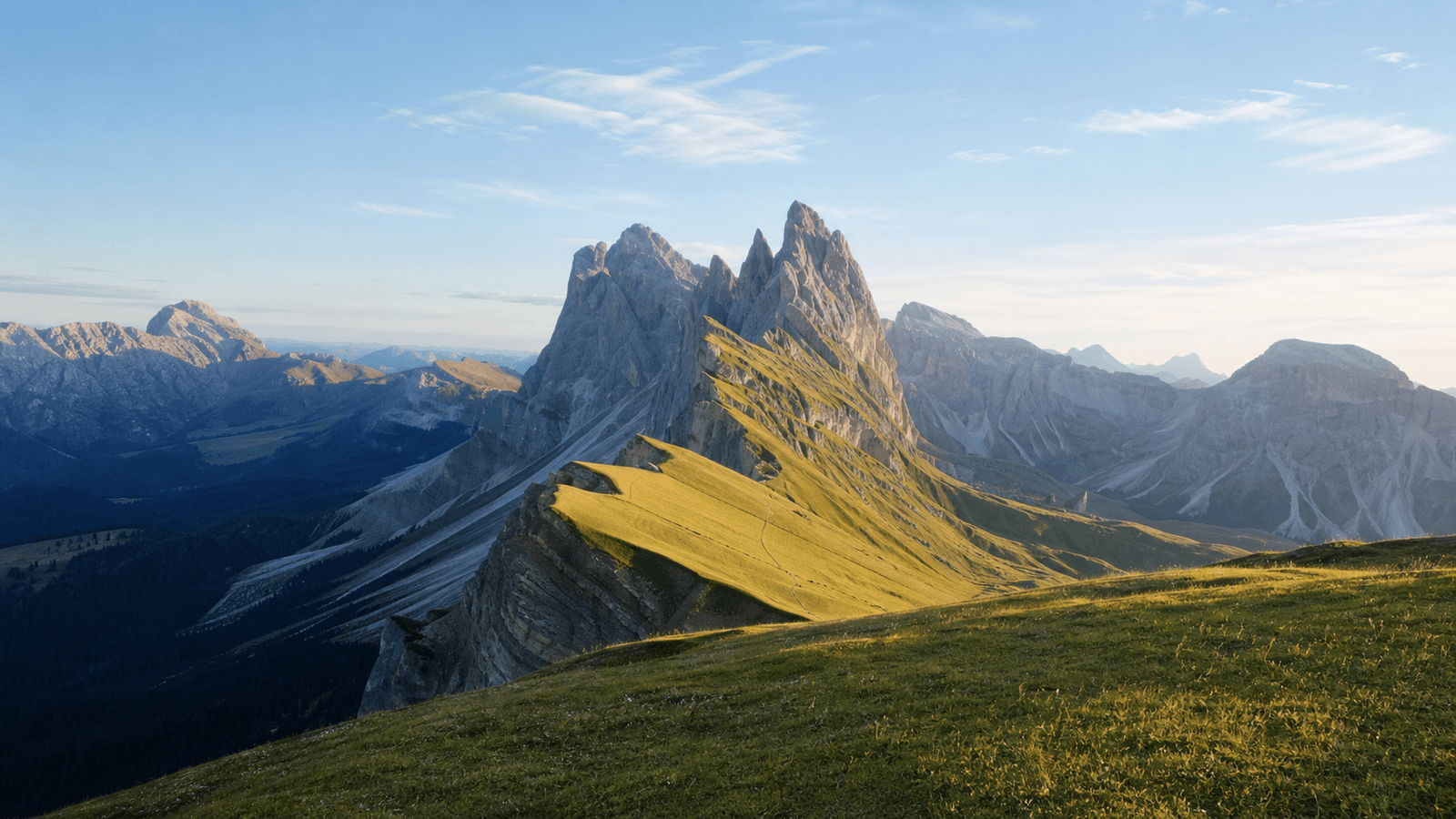
Val Gardena
The best all-round first base, especially around Ortisei, Selva and Santa Cristina, with easy access to Seceda and Alpe di Siusi.
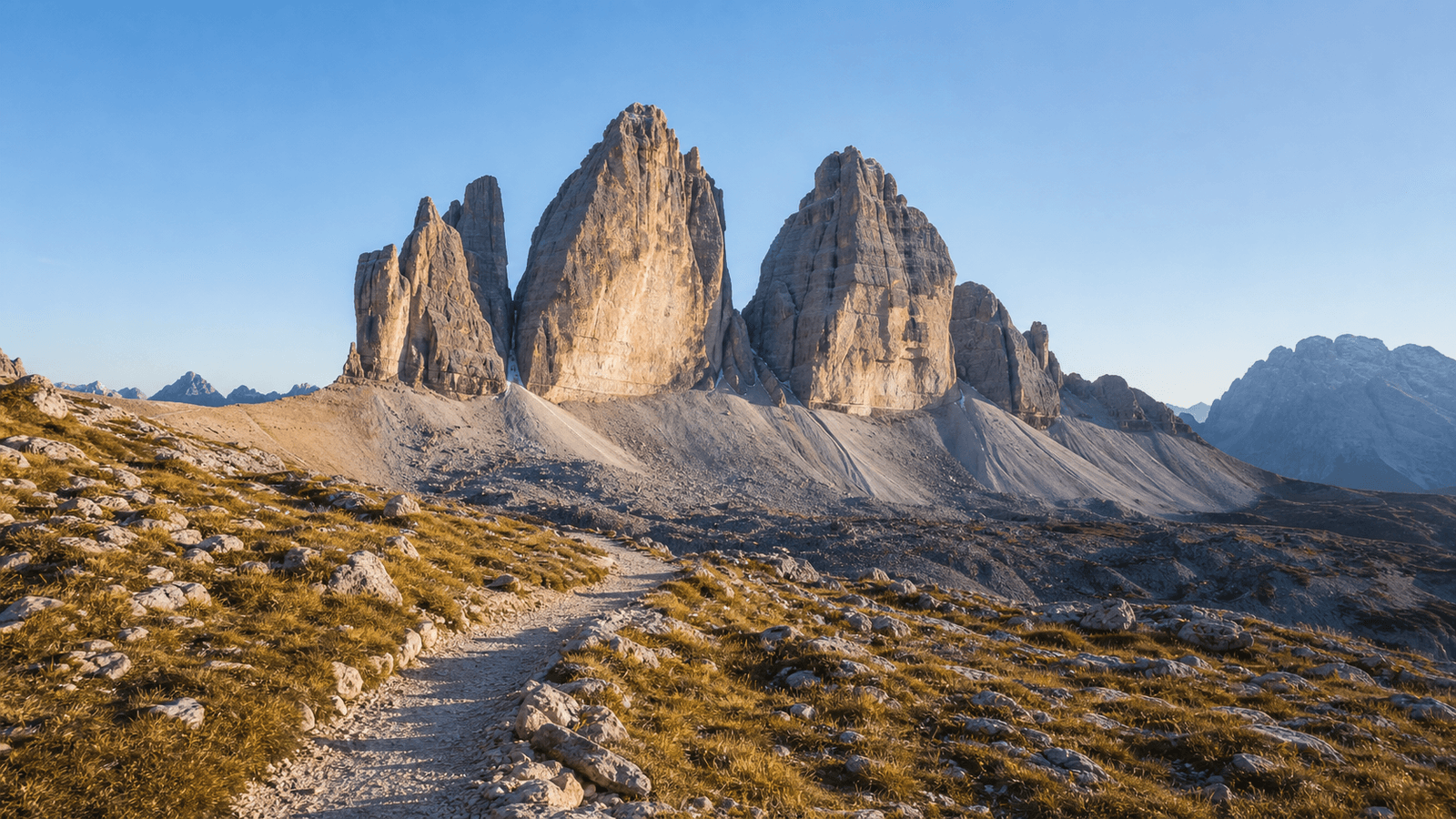
Cortina d'Ampezzo
The most useful base for Tre Cime, Lago di Braies and the eastern Dolomites, but less efficient for western highlights.
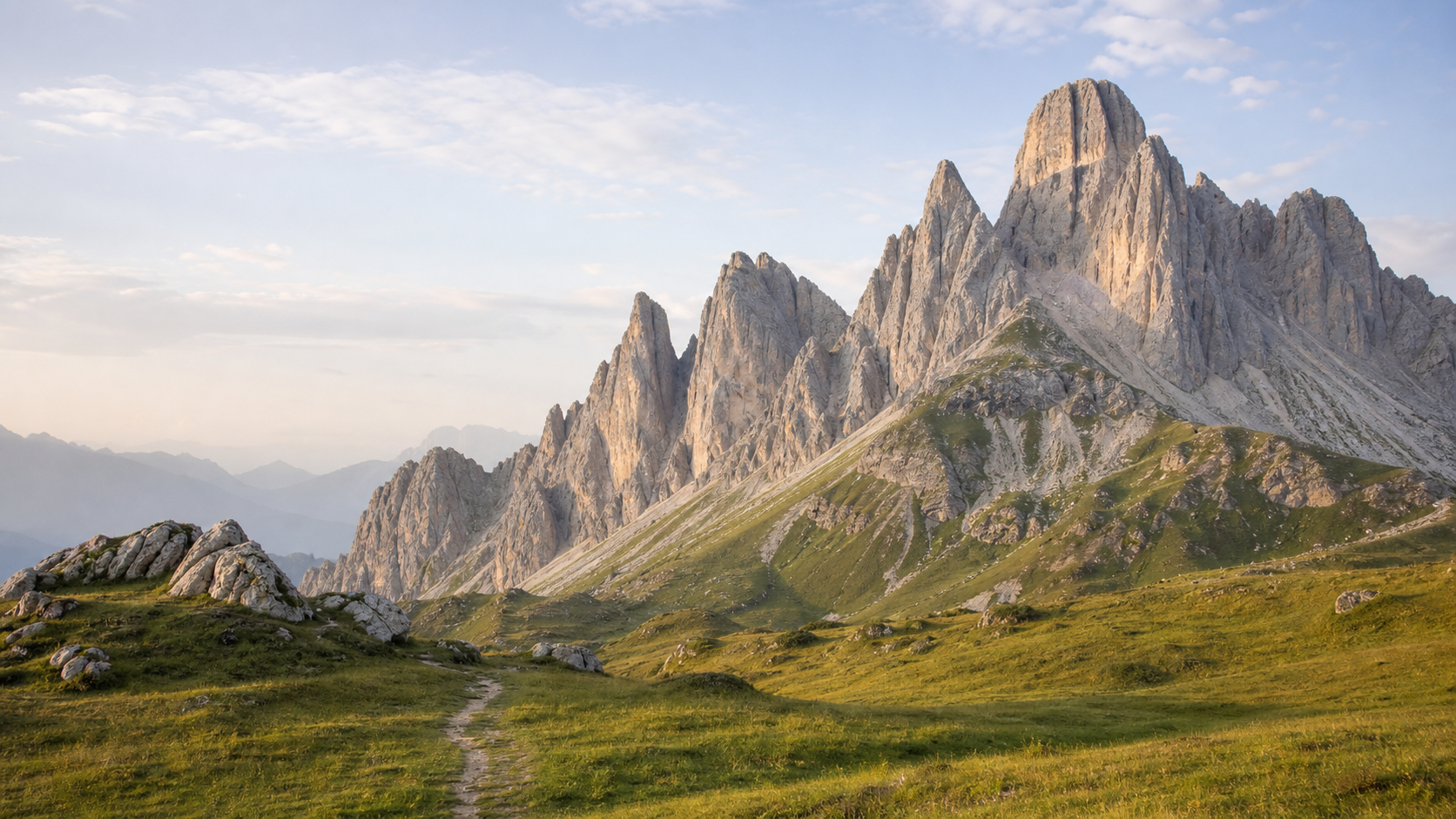
One-base or two-base plan
One base is calmer for 3-5 nights. Two bases make sense from about a week if you want both western and eastern Dolomites.
Mini itinerary
- 13 nights: Val Gardena or Alta Badia as one strong base
- 24-5 nights: one base plus a weather buffer
- 36-7 nights: split west and east Dolomites
- 4One-night pass-through: Bolzano, Bressanone or Dobbiaco
Interactive packing list
Packing list for Italy
Powered by Plantrip
Check off the essentials as you prepare. This interactive list is provided by PlanTrip.
Bases
Best base areas
Best for
Val Gardena
First-time Dolomites trips and balanced access
Pros
- Excellent for Seceda, Alpe di Siusi and classic viewpoints
- Ortisei, Selva and Santa Cristina all have restaurants and services
- Strong choice if you do not want to drive every morning
Watch-outs
- Popular and expensive in peak summer
- Not the most efficient base for Tre Cime or Lago di Braies
Best for
Alta Badia
Food, polished stays and scenic drives
Pros
- Good for Corvara, Colfosco, San Cassiano and pass roads
- Slightly calmer and more refined than the busiest first-time areas
- Strong for couples and slower mountain days
Watch-outs
- Less obvious for a first visit if Seceda is your main priority
- Car or local transport planning matters more
Best for
Cortina d'Ampezzo
Eastern Dolomites icons
Pros
- Strong for Tre Cime, Lago di Braies and Passo Giau
- Useful if continuing toward Venice
- Dramatic scenery and a classic mountain-town feel
Watch-outs
- Longer drives to Val Gardena and Alpe di Siusi
- Can feel busy and expensive in peak periods
Best for
Dobbiaco / San Candido
Eastern Dolomites with a practical, quieter base
Pros
- Useful for Tre Cime access and lake stops
- More practical and less glossy than Cortina
- Better rail and family logistics than many mountain villages
Watch-outs
- Less dramatic as a village base
- You may drive more for classic postcard viewpoints
Best for
Bolzano / Bressanone
Arrival, trains and soft South Tyrol starts
Pros
- Good before or after the deeper mountain stay
- Easier with trains and lower-pressure logistics
- Useful in shoulder seasons or for culture-focused days
Watch-outs
- Too far for repeated high-mountain days
- Does not feel like staying inside the Dolomites
Best for
Castelrotto / Siusi
Families, meadows and calmer Alpe di Siusi days
Pros
- Gentle atmosphere and strong access to Alpe di Siusi
- Good if you want easier walks rather than big hiking days
- More relaxed than some high-intensity mountain bases
Watch-outs
- Less central for eastern Dolomites
- Evening atmosphere is quieter
Planning notes
Avoid These Common Mistakes
Choosing the cheapest hotel far down the valley
A cheaper room can become expensive in time and energy if every day starts with a long drive to lifts, trailheads or restaurants.
Staying in Cortina for western highlights
Cortina is excellent for the eastern Dolomites, but it is not efficient for Seceda, Alpe di Siusi or Val Gardena highlights.
Splitting the trip too much
Two bases can be useful for a week. Three or four bases often turn the Dolomites into packing, parking and check-in logistics.
Ignoring lift seasons
Summer and winter access can differ sharply. Some lifts, huts and roads have shoulder-season closures that change the best base.
Forgetting evening logistics
After a mountain day, walkable restaurants and simple parking matter more than a slightly prettier room in an isolated location.
Worth it / Skip if
Worth it
The right base is the difference between relaxed mountain days and spending every morning in the car.
Skip if
Skip deep mountain bases if you only have one viewpoint day; stay in Bolzano, Bressanone or on your through-route instead.
With kids
Choose a walkable village with restaurants, easy lifts and a short first-day activity close to the hotel.
Budget range
Low
110-180 EUR/day
Mid
190-360 EUR/day
Comfort
420+ EUR/day
Guide details
Choose the valley before the hotel
In the Dolomites, the best place to stay is rarely just the prettiest hotel. It is the base that makes your days work. A hotel can look close to everything on the map and still leave you driving over passes every morning, looking for parking or arriving at lifts too late.
Start with the valley, not the room. Decide whether your trip is mainly about western Dolomites highlights like Seceda and Alpe di Siusi, eastern icons like Tre Cime and Lago di Braies, or a slower mountain stay with food, walks and village evenings.
Quick recommendation: where most travelers should stay
If this is your first Dolomites trip and you have 3-5 nights, stay in Val Gardena or Alta Badia. They give you the best balance of scenery, logistics and atmosphere.
Choose Val Gardena if you want the easiest first-time base. Ortisei is polished and convenient. Selva feels sportier and more mountain-focused. Santa Cristina sits quietly between them.
Choose Alta Badia if you want a slightly more refined stay, strong food, pass roads and a calmer rhythm. Corvara, Colfosco, San Cassiano and La Villa all work well depending on how village-like or quiet you want the stay to feel.
Choose Cortina if your priority is the eastern Dolomites: Tre Cime, Lago di Braies, Passo Giau and the route toward Venice.
Val Gardena: best first Dolomites base
Val Gardena is the most reliable answer for a first trip. It gives you access to Seceda, Alpe di Siusi, Sella passes, lift routes and villages that still feel practical after dark.
Ortisei is the easiest choice if you want restaurants, lift access and a polished base without feeling remote. Selva is better if you want to be higher, closer to passes and more focused on mountain days. Santa Cristina is calmer and can be a good middle ground.
The downside is popularity. In July, August and September, Val Gardena can be expensive and booked early. But the location often justifies the price because it saves time every day.
Alta Badia: refined base for food, drives and pass roads
Alta Badia feels a little calmer and more refined. It is strong for travelers who care about food, good hotels, scenic drives and a softer mountain rhythm.
Corvara is central and practical. Colfosco feels closer to the dramatic pass scenery. San Cassiano is quieter and often more polished. La Villa can work well if you want a straightforward base without being far from the rest of Alta Badia.
Alta Badia is not always the obvious first answer for travelers who have Seceda at the top of the list, but it is excellent if you want a stay that feels less crowded and more settled.
Cortina d'Ampezzo: best for the eastern Dolomites
Cortina is not better or worse than Val Gardena. It is a different trip. Stay here if Tre Cime di Lavaredo, Lago di Braies, Passo Giau, Cinque Torri or the eastern Dolomites are your focus.
It also makes sense if you are continuing toward Venice. What it does not do well is serve as a base for western highlights. Driving from Cortina to Seceda or Alpe di Siusi repeatedly is not a calm plan.
For a one-base first trip, Cortina is best when your saved places are mostly east. For a week, it works well as the second base after Val Gardena or Alta Badia.
Bolzano, Bressanone and Dobbiaco: useful, but different jobs
Bolzano and Bressanone are excellent arrival or transition bases. They are easier with trains, have more city structure and work well if you want South Tyrol culture before heading higher. But they are not ideal for repeated mountain days.
Dobbiaco and San Candido are different. They sit closer to the eastern Dolomites and can be very practical for Tre Cime, Lago di Braies and family logistics. They do not always feel as dramatic as Cortina, but they can make a trip easier.
One base or two bases?
For 3-5 nights, choose one base. It will feel calmer, and you will spend less time packing, checking in and moving the car.
For 6-7 nights, two bases can be excellent: Val Gardena or Alta Badia for the west, then Cortina, Dobbiaco or San Candido for the east. Move between them slowly, using the transfer day as a scenic drive rather than an admin day.
More than two bases usually creates more friction than value unless you have a specific hiking route.
Summer vs winter base choice
In summer, choose your base around lifts, hikes, parking and weather flexibility. Val Gardena, Alta Badia and Cortina all work well, but exact lift opening dates matter in June, October and shoulder weeks.
In winter, the decision changes. Ski access, hotel shuttle options, equipment storage and village convenience become more important. Alta Badia and Val Gardena are both strong ski bases; Cortina has a different rhythm and can be better for travelers who want scenery, town atmosphere and selected ski days rather than one huge connected ski routine.
Booking notes
In the Dolomites, location beats a slightly nicer room far away. A simple hotel with parking, walkable restaurants and a lift nearby can feel better than a beautiful property that creates a drive every morning.
Book early for July, August, September and the ski season. Also check whether half-board makes sense. In smaller villages, having dinner at the hotel can be practical, especially after a long mountain day.
Final recommendation
If you want the simplest first answer: stay in Val Gardena. If you want a calmer, more refined mountain stay: look at Alta Badia. If your saved places are Tre Cime, Lago di Braies and the eastern Dolomites: stay in Cortina or Dobbiaco. Use Bolzano or Bressanone for arrival and transition, not as your main base for mountain days.
Nights and the transfer day
Three nights mean arrival, two full days and departure on day four. Keep all three in one valley. Five nights provide four full days; using one of them locally preserves room to move a mountain outing when weather changes.
For seven nights, allocate nights one to three to Val Gardena and nights four to seven to Cortina or Dobbiaco. Transfer on day four and sleep at the eastern base that evening; departure is day eight. Do not attach a major hike to the transfer or assume Passo Giau is the direct route between every pair of villages.
Compare the total stay price including parking, meals you actually want and the daily journey to your chosen lift. Check whether a guest card includes that exact service: a regional pass does not automatically include every mountain lift. See the Dolomites guide for the Seceda pass exception and regulated access. Also check the cancellation deadline against the point when you can realistically assess your plans.
Daily allowances are per adult for two sharing a room and vehicle costs, including accommodation, food, local transport and selected admissions, excluding arrival travel. They are editorial planning estimates, not current quotes.
Sources & Last updated
Last updated: 2026-09-07
Sources
- TravelHighlights editorial: Editorial planning guide. Verify lift access, road conditions, parking details and seasonal hotel openings before travel.
For your trip planning
Travel Services
Useful services for your trip. Choose what fits your plans.
Affiliate offers: We may earn a commission if you book. External search forms load only when opened, sharing data with Travelpayouts and the provider.
Nearby / next stop
HIGHLIGHTS
Essential
Last updated 2026-09-07
Dolomites Highlights
The strongest Dolomites highlights for a first mountain trip, with enough context to choose a base and avoid overplanning.
Read guide →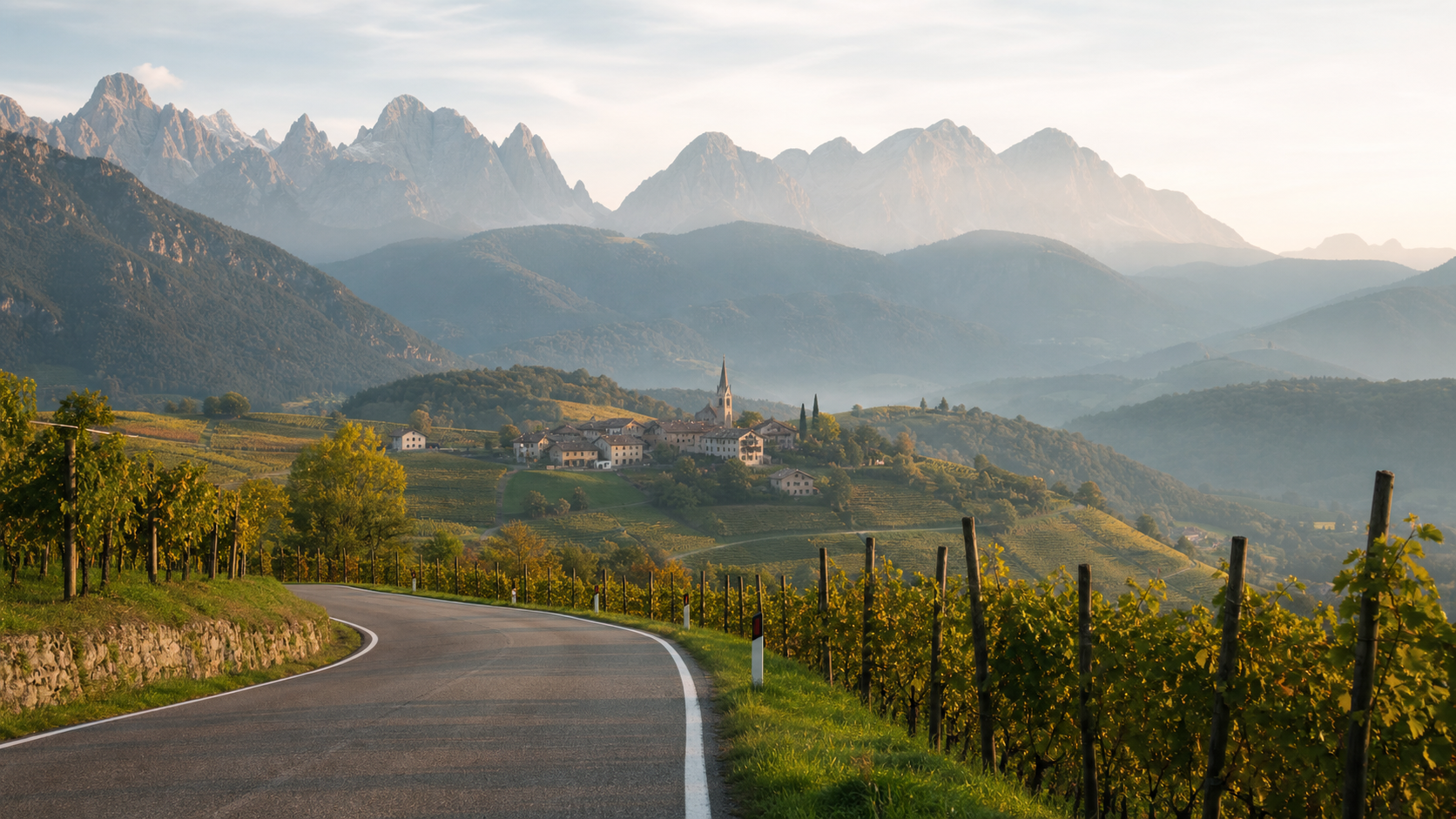
ROUTE
Last updated 2026-09-07
Northern Italy Roadtrip Itinerary
A practical 7-14 day route for linking Verona, Lake Garda, South Tyrol and the Dolomites without turning Northern Italy into a rushed checklist.
Read guide →