Guide
Tokyo Highlights
A practical Tokyo guide for a first Japan route, planned by neighborhoods instead of one exhausting city-wide list.
Save it for later on this device or print a clean planning copy.
Quick facts
- Best time
- March-May, October-November, Winter for clearer city days
- Recommended duration
- 4-5 nights
- Budget range
- Low: 90-160 EUR/day · Mid: 180-330 EUR/day · Comfort: 420+ EUR/day
- With kids
- Yes
Orientation
Why Tokyo needs neighborhood logic
Tokyo is not a city to clear in a checklist. It is too large, too layered and too transit-heavy for a scattered plan.
A first visit works best when each day has a geography: east-side old Tokyo, west-side youth and design, one evening district and one quieter reset.
That structure makes Tokyo vivid without turning the beginning of Japan into exhaustion.

I would rather see fewer neighborhoods with real attention than spend four days changing trains for famous names.
Alex Travels · TravelHighlights.io
Keep planning
Choose the next useful step
Jump straight to the next relevant part of your trip.
Guide map
- Asakusa / Ueno
- Shibuya / Harajuku
- Shinjuku
- Tokyo Station / Ginza
Highlights
Top highlights
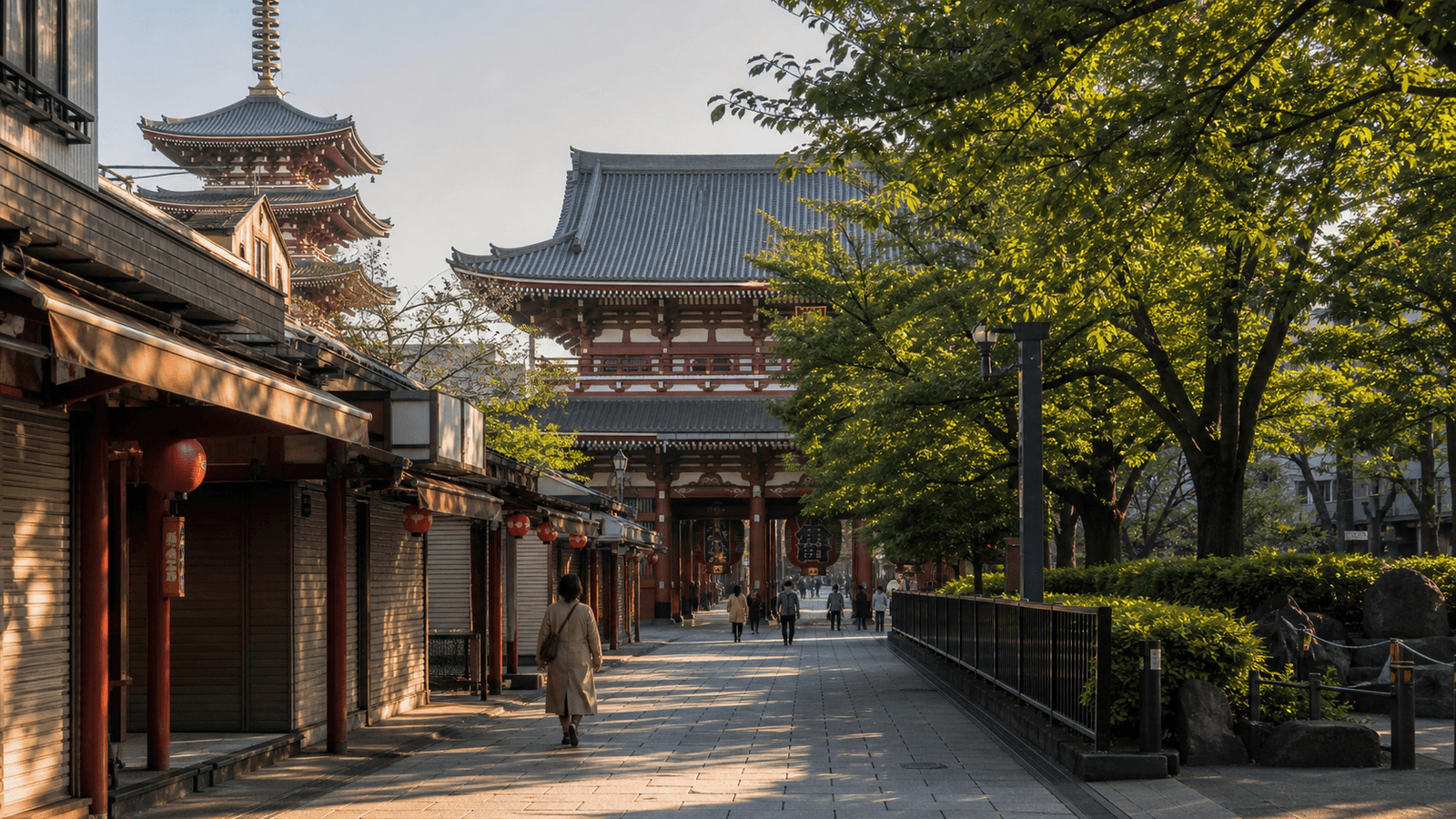
Asakusa and Ueno First Layer
Classic east-side Tokyo with temples, museums, old shopping streets and easier first-day pacing.
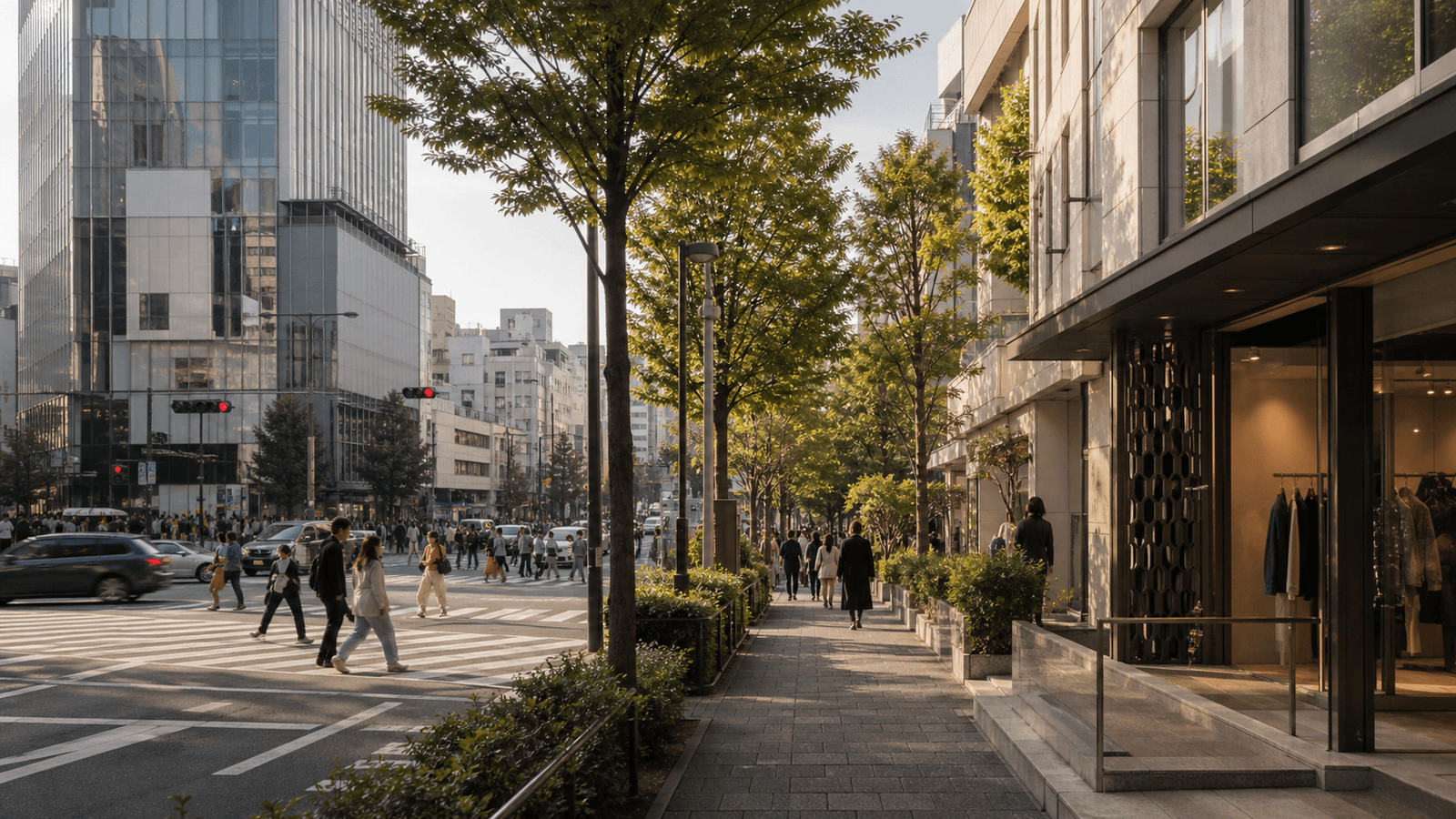
Shibuya Harajuku and Aoyama
The west-side contrast: crossings, youth culture, design streets and quieter back lanes if you slow down.
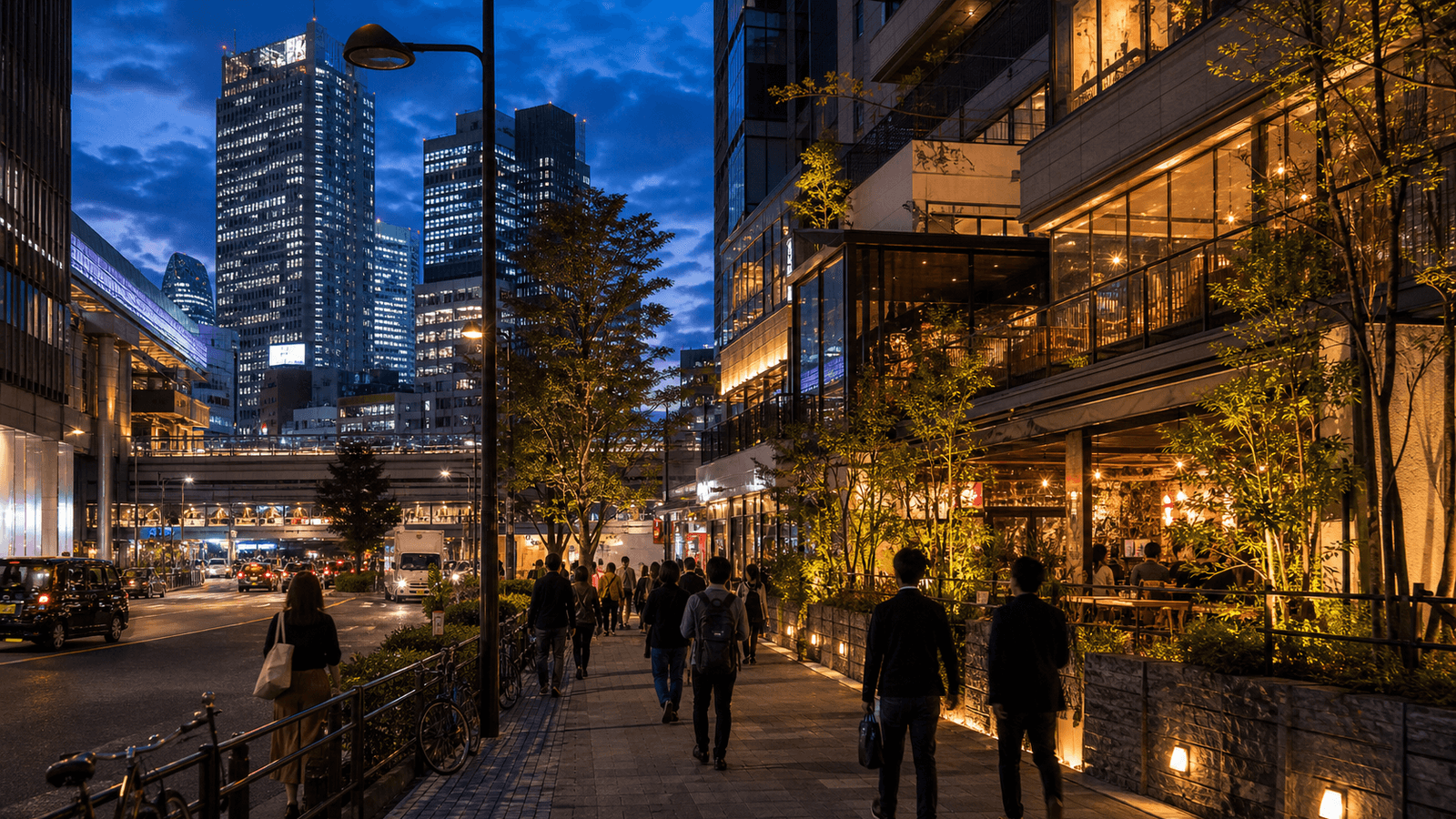
Shinjuku Evening
A strong night block when you keep it focused: food, neon, station logic and one clear route home.
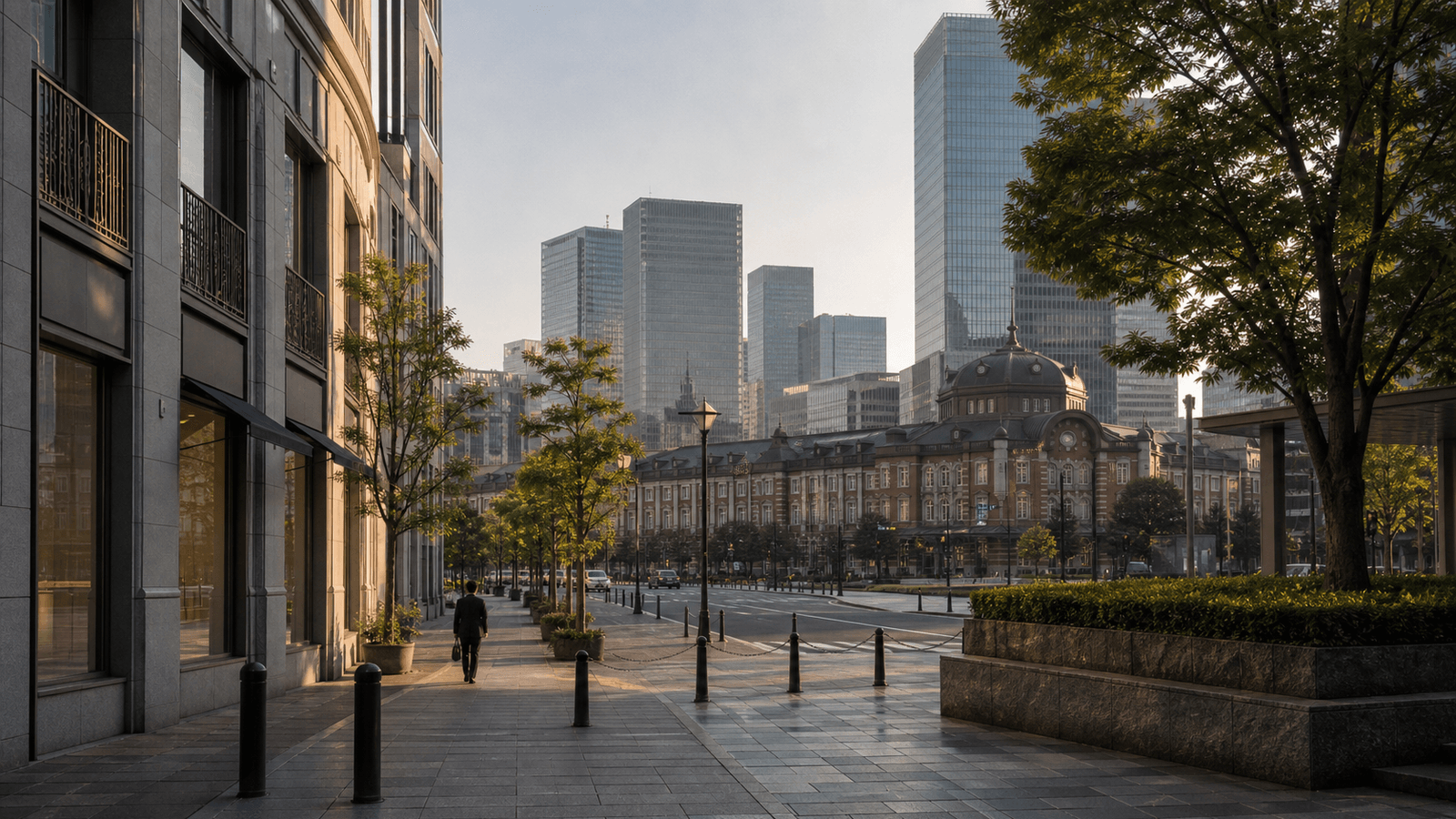
Ginza Tokyo Station and the Palace Gardens
A calmer central block for architecture, food halls, station logistics and a polished final Tokyo layer.
Mini itinerary
- 1Day 1: Arrive, easy neighborhood dinner and sleep reset
- 2Day 2: Asakusa, Ueno or east-side classic Tokyo
- 3Day 3: Shibuya, Harajuku, Aoyama and a calm evening
- 4Day 4: Shinjuku or Ginza / Tokyo Station depending on route
Interactive packing list
Packing list for Japan
Powered by Plantrip
Check off the essentials as you prepare. This interactive list is provided by PlanTrip.
Bases
Best base areas
Best for
Shinjuku / Shibuya side
Evenings and west-side neighborhoods
Pros
- Strong transport
- Good food and nightlife
- Useful first-trip energy
Watch-outs
- Can feel intense
- Station complexity
- Hotel prices rise quickly
Best for
Tokyo Station / Ginza
Rail logistics and calmer access
Pros
- Good Shinkansen logic
- Useful east-side sights
- Often easier transfers
Watch-outs
- Less nightlife energy
- Some areas feel businesslike
- Still not cheap
Planning notes
Avoid These Common Mistakes
Crossing the city too often
Tokyo looks connected, but repeated east-west moves drain the day.
Underestimating stations
Major stations are part of the itinerary. Leave time for exits and transfers.
Planning every evening big
One or two strong evenings are better than nightly exhaustion.
Travel planning answers
Tokyo FAQ
How many days do you need in Tokyo?+
Four to five nights are ideal for a first trip. Three nights work only with selective neighborhoods.
Where should you stay in Tokyo?+
Stay near a useful rail station for your planned districts and onward route. Shinjuku, Shibuya, Ueno, Ginza and Tokyo Station areas can all work.
Is Tokyo good with kids?+
Yes, if you keep days area-based and use parks, food halls and short transit hops.
Should Tokyo be first or last?+
It is often best first, but saving one final night near the departure airport or station can reduce stress.
Worth it / Skip if
Worth it
Tokyo is the strongest first Japan opener because it gives scale, food, trains, neighborhoods and culture shock in a way no smaller stop can.
Skip if
Do not cut Tokyo below three nights unless your trip is extremely short or already centered on Kansai.
With kids
Keep days area-based, use parks and department-store food floors, and avoid repeated cross-city transfers.
Budget range
Low
90-160 EUR/day
Mid
180-330 EUR/day
Comfort
420+ EUR/day
Guide details
For a first Tokyo stay, I would allow four to five nights and group days around neighboring districts. After the flight, getting to the hotel, eating nearby and taking a short walk is enough. Divide the remaining days between the east, west and center.
Asakusa and Ueno First Layer
Start in Asakusa with Senso-ji and the surrounding streets. Ueno is a separate district, so account for the walk or train journey between them. A substantial museum visit in Ueno leaves less room for other stops than a stroll through the park.
For Japanese art and history, consider the Tokyo National Museum. Check exhibitions, closing days and ticket types before making it your rain plan. An early temple walk does not mean the museums and shops will already be open.
Shibuya Harajuku and Aoyama
Choose between a full shopping-and-café day and a shorter walk through Shibuya, Harajuku and Omotesando. The famous crossing is only a brief stop; a ticketed observation deck needs its own time slot.
If Meiji Jingu matters to you, visit within its seasonally changing opening hours. It is not an unrestricted late-evening addition after shopping. Allow for the paths through the wooded grounds as well as the streets around Harajuku.
Shinjuku Evening
Pick a restaurant and save the useful station exits for your journey in and out. Dinner and a short walk through the illuminated streets are enough for a first evening. Several tiny bars and a late finish are usually a poor combination with children.
Check the final connection all the way to your hotel, including transfers. A train still leaving Shinjuku does not guarantee that the connecting line will be running when you arrive.
Ginza Tokyo Station and the Palace Gardens
Combine Marunouchi's architecture beside Tokyo Station with a walk toward Ginza. Department-store food floors are useful for buying food; do not assume there will be seats where you can eat it.
The Imperial Palace East Gardens have a separate visitor calendar, closing days and seasonal hours. Visiting the gardens does not provide entry to the residential palace buildings. Before an intercity train, keep enough time for baggage collection and the walk through the station.
Planning Logic
Compare hotels by the actual walk to your needed station entrance and the connection for your onward journey. Ueno and Tokyo Station are different starting points; being near a Shinkansen station only helps if your train departs there.
The budget bands are rough daily per-person estimates with shared accommodation, excluding international flights. Lodging, ordinary meals and local transport form the core; reserved observation decks, special exhibitions and taxis can add significant extras.
What I Would Prioritize
With three full days: Asakusa plus Ueno, Shibuya plus Harajuku, and a day in the center. Add Shinjuku as an evening if the journey back to your hotel is straightforward. With children, choose one main destination and a break each day, leaving the rest flexible.
Where to Go Next
Hakone suits an overnight stay with mountain scenery and hot springs. With less time, continue directly to Kyoto; check the departure station and baggage rules for your booked train.
Sources & Last updated
Last updated: 2026-06-16
Sources
- GO TOKYO: Official Tokyo visitor planning and neighborhood context(checked: 2026-06-16)
- Japan National Tourism Organization: Official Japan travel planning, regional and seasonal context(checked: 2026-06-16)
- JR East - Welcome Suica: Official IC card information for visitors(checked: 2026-06-16)
For your trip planning
Travel Services
Useful services for your trip. Choose what fits your plans.
Affiliate offers: We may earn a commission if you book. External search forms load only when opened, sharing data with Travelpayouts and the provider.
Nearby / next stop
CITY · CULTURE
Essential
Last updated 2026-06-16
Kyoto Highlights
A calmer Kyoto guide for temples, old streets and area-based days that avoid the classic overplanning trap.
Read guide →
NATURE · ONSEN
Editor's Pick
Last updated 2026-06-16
Hakone and Mount Fuji Guide
Plan one or two Hakone nights around a ryokan, Lake Ashi and selected rail or ropeway journeys. Clear views of Fuji remain a weather-dependent extra.
Read guide →