Guide
Japan Intro and Overview
The calm starting point for a first Japan route: what to expect, how trains shape the trip and where to avoid overplanning.
Save it for later on this device or print a clean planning copy.
Quick facts
- Best time
- Before detailed planning, Useful for every season
- Recommended duration
- Before booking
- Budget range
- Low: Relevant to route choices · Mid: Depends on rail and hotel choices · Comfort: Comfort adds location and flexibility
- With kids
- Yes
Orientation
What to decide before booking
Use this overview to choose airports, hotels and long-distance journeys in a practical order. A short Tokyo-and-Kansai trip needs different accommodation and rail plans from one that adds Hakone or Hiroshima.
Start by counting full days. An arrival after a long flight and a day spent changing hotels leave less sightseeing time than a full day in one place.

I would decide bases before highlights. Japan becomes easier the moment you stop treating every good train connection as a reason to move hotels.
Alex Travels · TravelHighlights.io
Keep planning
Choose the next useful step
Jump straight to the next relevant part of your trip.
Map
Guide map
- Japan Intro and Overview
Highlights
Top highlights
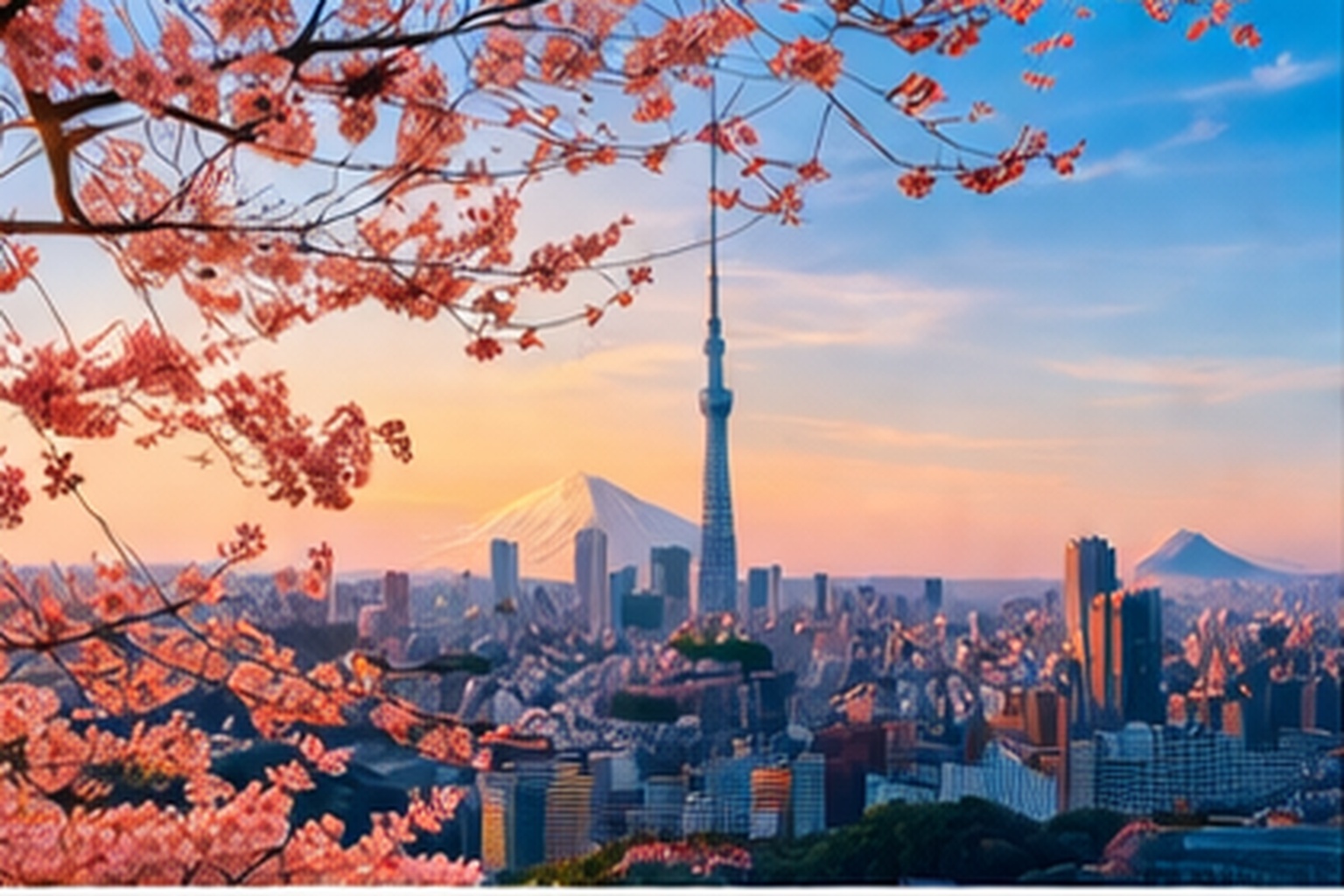
Tokyo Kyoto Osaka Core
The first-route spine that gives Japan structure without trying to cover the whole country.
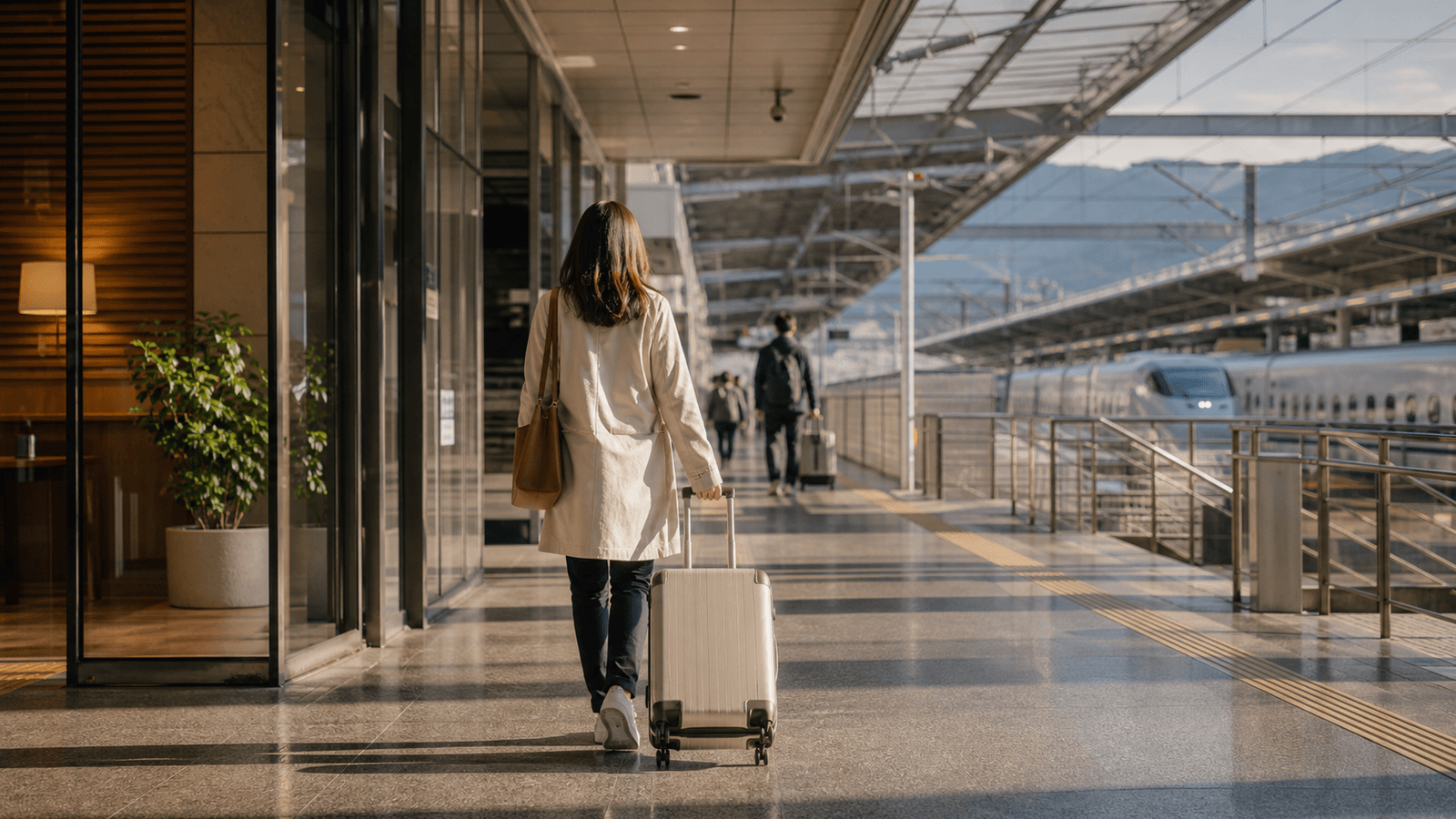
Rail and Base Logic
Japan is rail-friendly, but not every easy connection should become another hotel move.
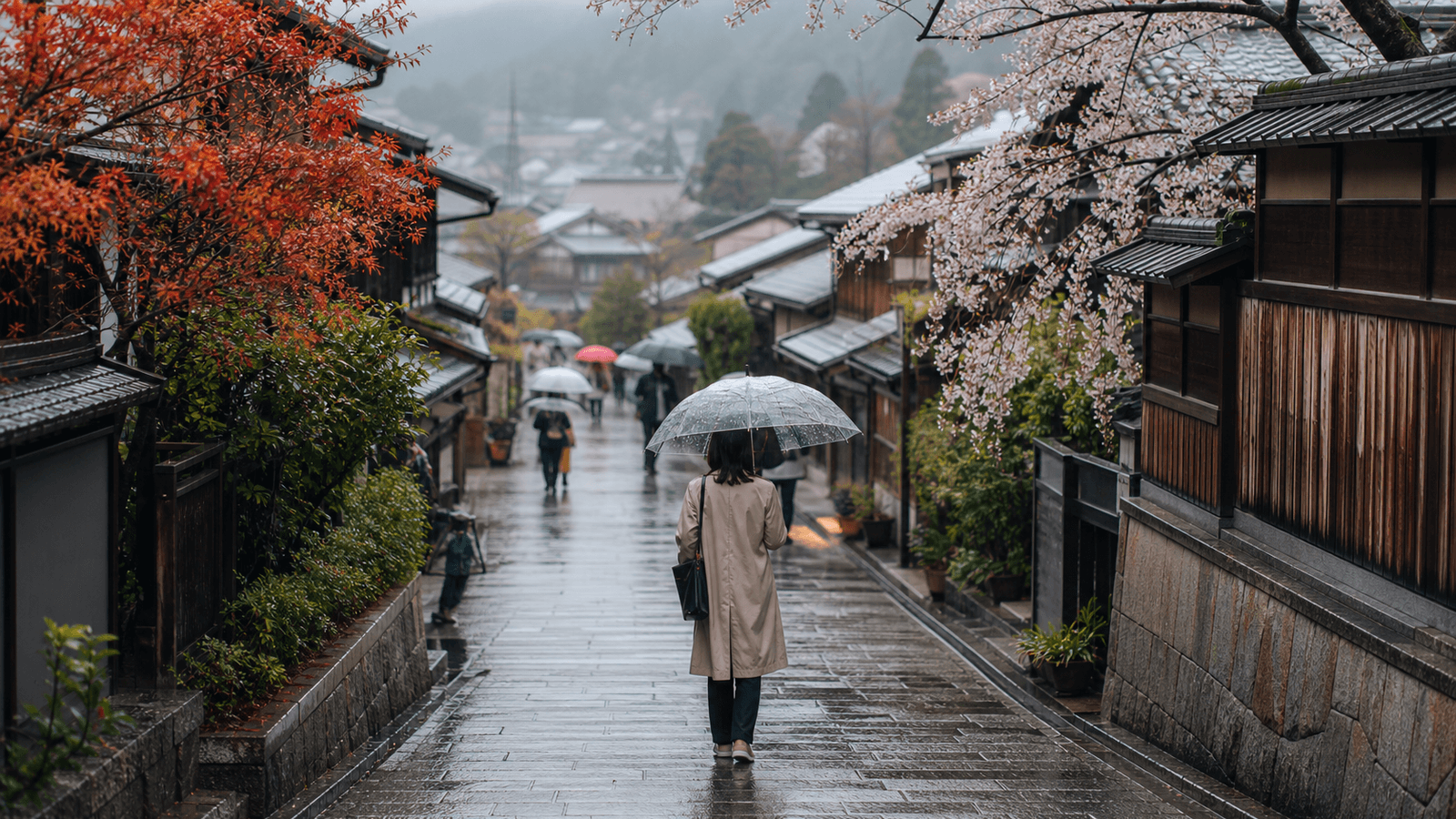
Season and Crowd Pacing
Cherry blossom, autumn foliage, summer heat and winter clarity all change the route feel.
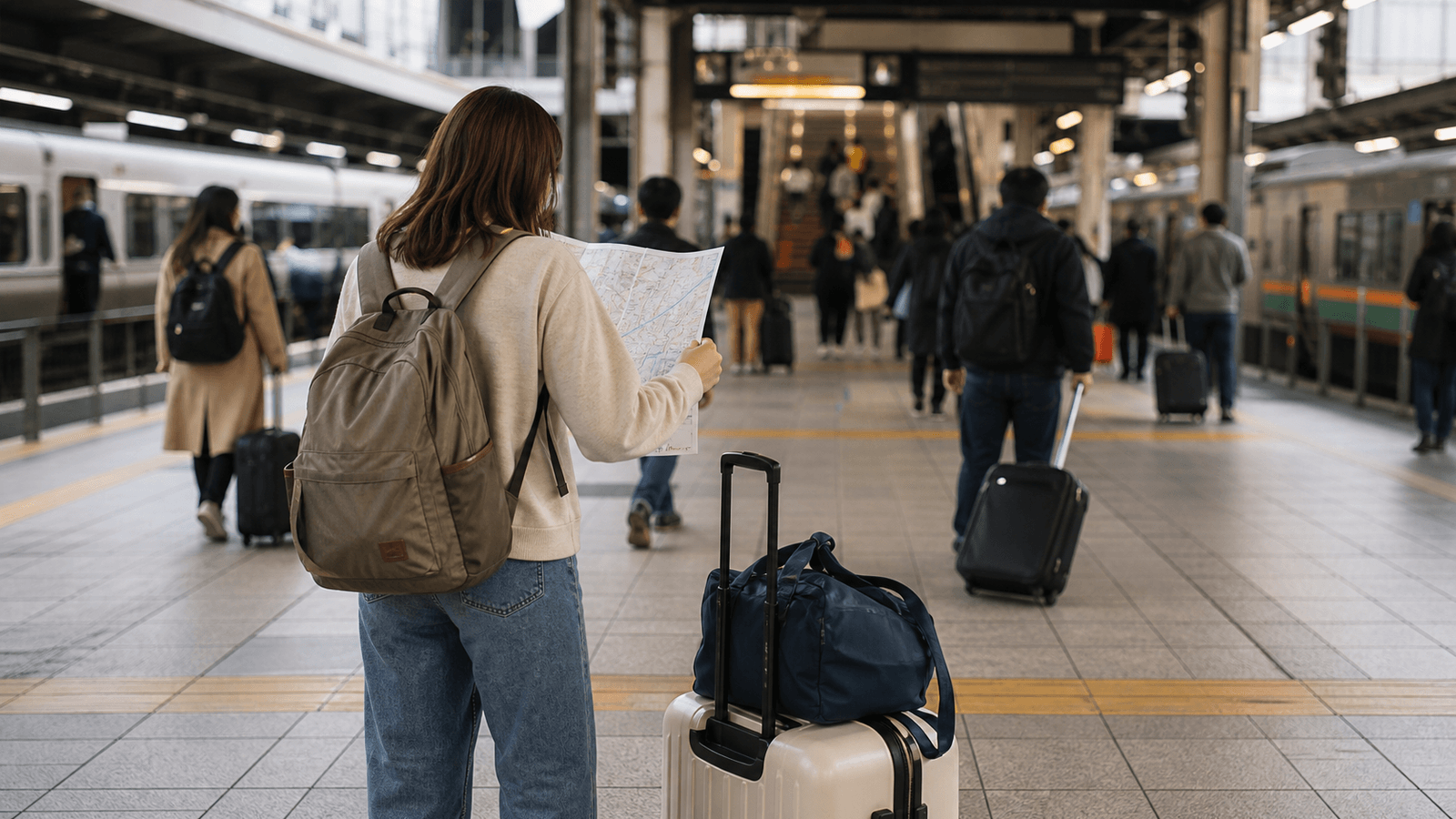
First Trip Mistakes to Avoid
Too many bases, late hotel choices and pass assumptions are the avoidable stress points.
Mini itinerary
- 1Define trip length and airports
- 2Choose Tokyo-Kyoto-Osaka core or a Kansai-heavy route
- 3Calculate rail needs before buying passes
- 4Add one scenic or western extension only if days allow
Interactive packing list
Packing list for Japan
Powered by Plantrip
Check off the essentials as you prepare. This interactive list is provided by PlanTrip.
Bases
Best base areas
Best for
Tokyo + Kyoto/Osaka
Classic first route
Pros
- Easy to understand
- Strong contrast
- Good rail links
Watch-outs
- Can still be busy
- Needs good hotel locations
- Peak seasons cost more
Best for
Tokyo + Kansai + west extension
Longer route with more depth
Pros
- Adds Hiroshima/Himeji
- Better for 14+ days
- More varied
Watch-outs
- More rail time
- Pass math matters
- Needs buffers
Planning notes
Avoid These Common Mistakes
Buying a rail pass too early
The pass should follow the route, not define it blindly.
Adding too many bases
Every hotel move costs energy even in a rail-friendly country.
Ignoring hotel location
A cheap room far from useful stations can make Japan feel harder than it is.
Travel planning answers
Japan overview FAQ
What is the best first Japan route?+
Tokyo, Kyoto and Osaka are the clean core. Add Hakone, Nara, Himeji or Hiroshima depending on days.
Do you need a car?+
Not for the classic first route. Trains and local transit are the better default.
Should you book hotels early?+
Yes for peak seasons, good station areas and family rooms.
How many bases are too many?+
If every second day is a transfer, the route is probably too full.
Worth it / Skip if
Worth it
This overview is worth reading before you lock flights, rail passes or too many hotel moves.
Skip if
Skip it only if your route structure is already set and you need destination-level guides only.
With kids
Build fewer hotel bases, shorter transfer days and reliable food breaks before adding attractions.
Budget range
Low
Relevant to route choices
Mid
Depends on rail and hotel choices
Comfort
Comfort adds location and flexibility
Guide details
Count the full days between arrival and departure before choosing stops. Tokyo and one Kansai hotel in Kyoto or Osaka are enough to start a first-trip plan. The two-to-three-week itinerary assigns nights; this overview covers the decisions to make before that.
Tokyo Kyoto Osaka Core
Tokyo and Kyoto already give a first trip a mix of neighborhoods, temples, gardens and restaurant evenings. Osaka adds another side of Kansai without necessarily requiring its own hotel. For seven days, I would use two hotels and subtract arrival and departure time before adding excursions.
Nara can be a day trip from your Kansai hotel. Himeji can fit on a journey west to Hiroshima. Hakone needs a different decision: do you want a ryokan stay and a bath, or mainly a view of Fuji? I would not rearrange a tight trip solely for a weather-dependent view.
Rail and Base Logic
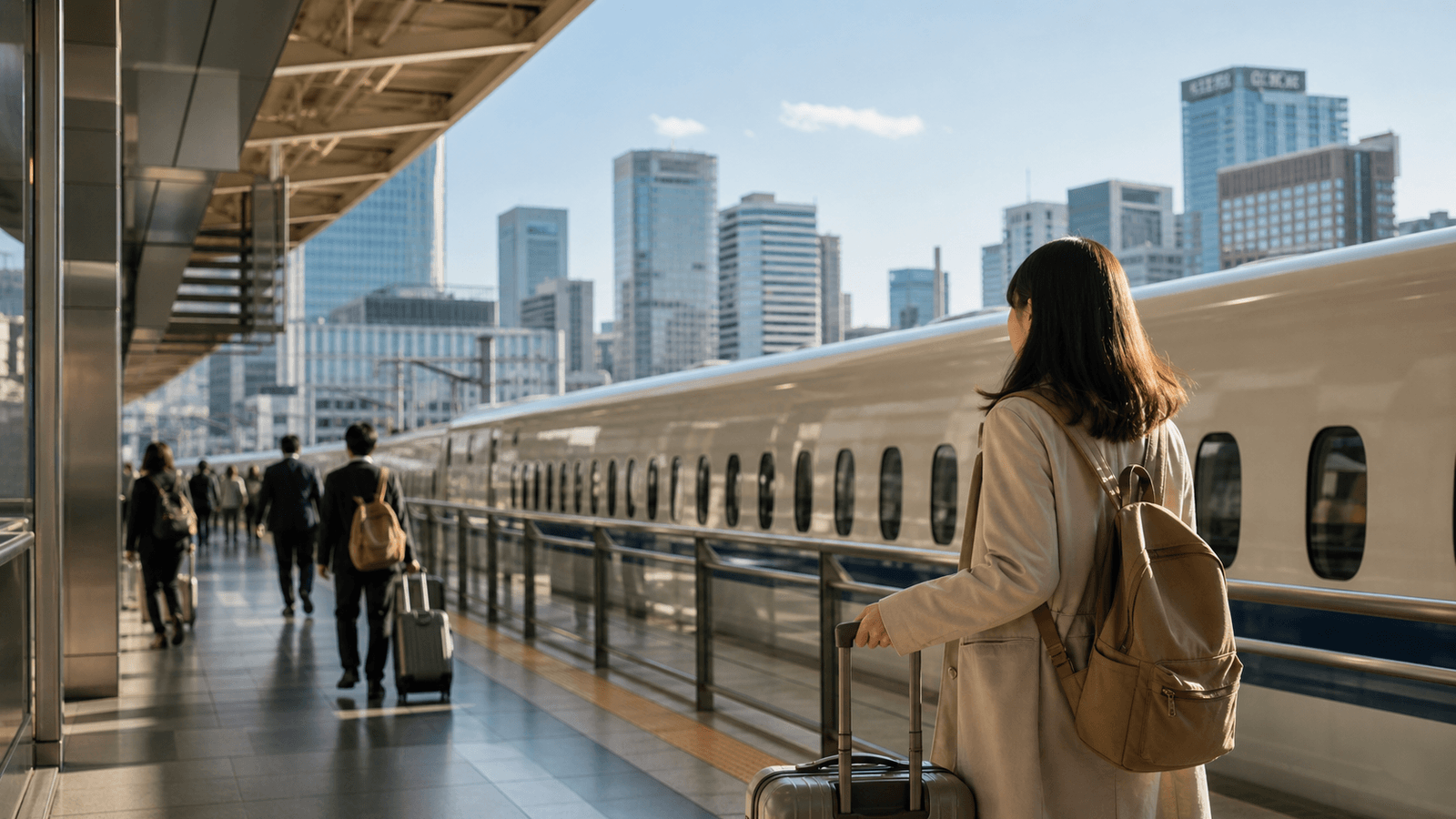
Compare each long-distance journey from hotel to hotel. Add station access, finding the platform, luggage and check-in to the train ride. A short timetable entry does not tell you how much of the day remains free.
Choose your Kansai base around your planned days. If you want three early starts in Kyoto, commuting from Osaka each morning matters more than a longer airport journey once.
Season and Crowd Pacing
Check the season for Tokyo and Kansai rather than assuming one forecast covers all of Japan. Climate and flowering dates vary by region. Avoid fixing the trip around a guaranteed blossom week; compare regional forecasts and available accommodation first. JNTO's planning pages link to weather and seasonal information.
In heat or rain, a neighborhood with somewhere nearby to take a break is more useful than a long list of stops across Tokyo. A museum or leisurely lunch can replace another walk rather than becoming an extra obligation.
First Trip Mistakes to Avoid
Check the exact hotel address against the station exit you will use. For a family room, also check the bed layout and luggage space. A hotel described as near a large station can still involve a lengthy walk.
A quick train connection is not sufficient reason to add another overnight stop. If Hiroshima and Miyajima would be reduced to a rushed detour, spend those days in Kansai instead.
Planning Logic
List your long-distance journeys and dates before comparing individual fares, regional passes and the nationwide pass. The Japan Rail Pass comes in 7-, 14- and 21-day versions; Nozomi and Mizuho services have special conditions requiring an additional ticket. Check coverage and eligibility before buying. A pass saves money only when it suits the journeys you actually plan to make.
For an open-jaw flight, compare the airfare including baggage with the rail and accommodation costs of returning to your starting airport. Several smaller costs can cancel out an apparently cheaper flight.
What I Would Prioritize
I would settle trip length, airports and two or three hotel bases first, then the long-distance journeys and at most one substantial addition. Keep the first evening free of reservations so that a delay or tiredness does not disrupt the plan.
Where to Go Next
Use the Tokyo, Kyoto and Osaka guides to choose areas for each day. The practical Japan tips cover payment, local transport and luggage next.
Sources & Last updated
Last updated: 2026-06-16
Sources
- Japan National Tourism Organization: Official Japan travel planning, regional and seasonal context(checked: 2026-06-16)
- Japan Rail Pass: Official Japan Rail Pass information and long-distance rail planning(checked: 2026-06-16)
- JR East - Welcome Suica: Official IC card information for visitors(checked: 2026-06-16)
For your trip planning
Travel Services
Useful services for your trip. Choose what fits your plans.
Affiliate offers: We may earn a commission if you book. External search forms load only when opened, sharing data with Travelpayouts and the provider.
Nearby / next stop
CITY · HIGHLIGHTS
Essential
Last updated 2026-06-16
Tokyo Highlights
A practical Tokyo guide for a first Japan route, planned by neighborhoods instead of one exhausting city-wide list.
Read guide →
ITINERARY
Last updated 2026-06-16
Japan 2-3 Week Itinerary Guide
A realistic 2-3 week Japan route that adds depth without turning every second day into a hotel move.
Read guide →