Guide
Japan FAQ and Practical Tips
The practical Japan guide for IC cards, luggage, etiquette, weather, reservations and small decisions that keep the trip smooth.
Save it for later on this device or print a clean planning copy.
Quick facts
- Best time
- Before departure, Useful during route booking
- Recommended duration
- Before and during travel
- Budget range
- Low: Relevant to route choices · Mid: Depends on rail and hotel choices · Comfort: Comfort adds location and flexibility
- With kids
- Yes
Orientation
Why practical details make Japan calmer
Japan is easy to travel when the small systems make sense. IC cards, station lockers, luggage forwarding and local etiquette remove friction.
The goal is not to memorize rules. It is to know enough that daily travel feels smooth.
A little preparation changes the whole route experience.

I would solve IC cards, luggage and hotel locations before researching another restaurant list.
Alex Travels · TravelHighlights.io
Keep planning
Choose the next useful step
Jump straight to the next relevant part of your trip.
Map
Guide map
- Japan FAQ and Practical Tips
Highlights
Top highlights
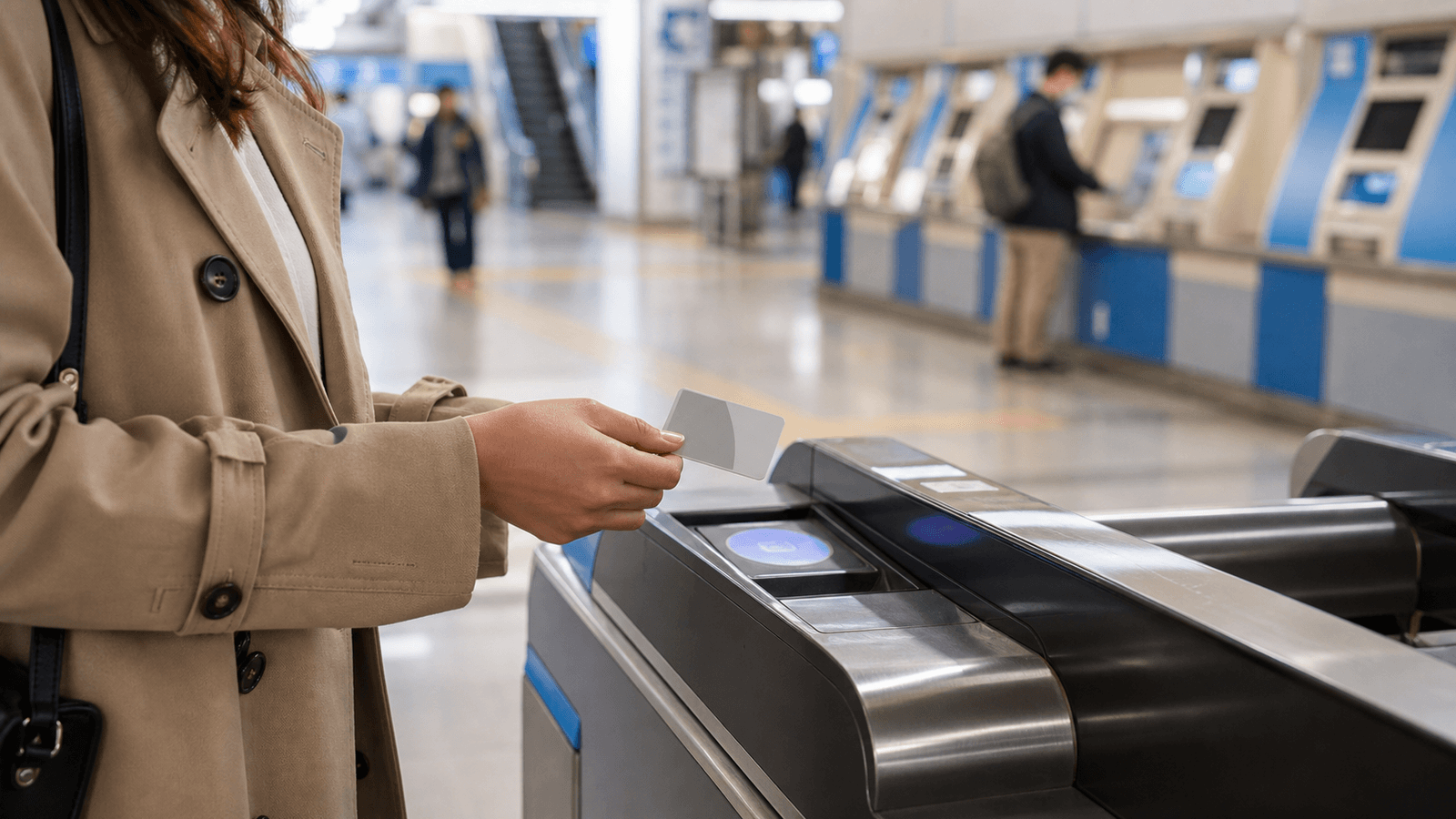
IC Cards and Ticket Basics
The small transit setup that makes local movement much easier from day one.
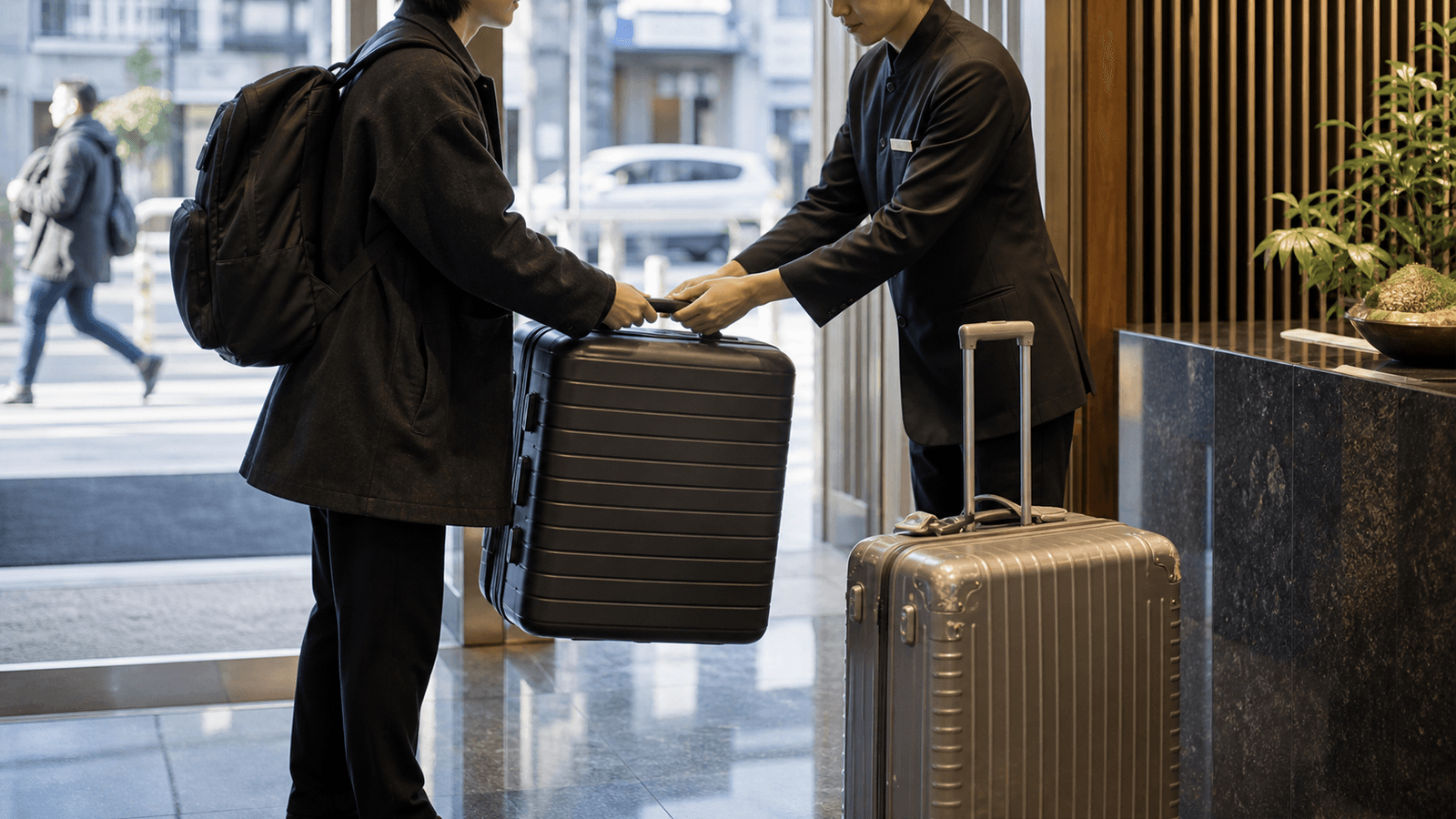
Luggage Forwarding and Lockers
The quiet logistics upgrade for Hakone, Himeji stopovers and multi-city routes.
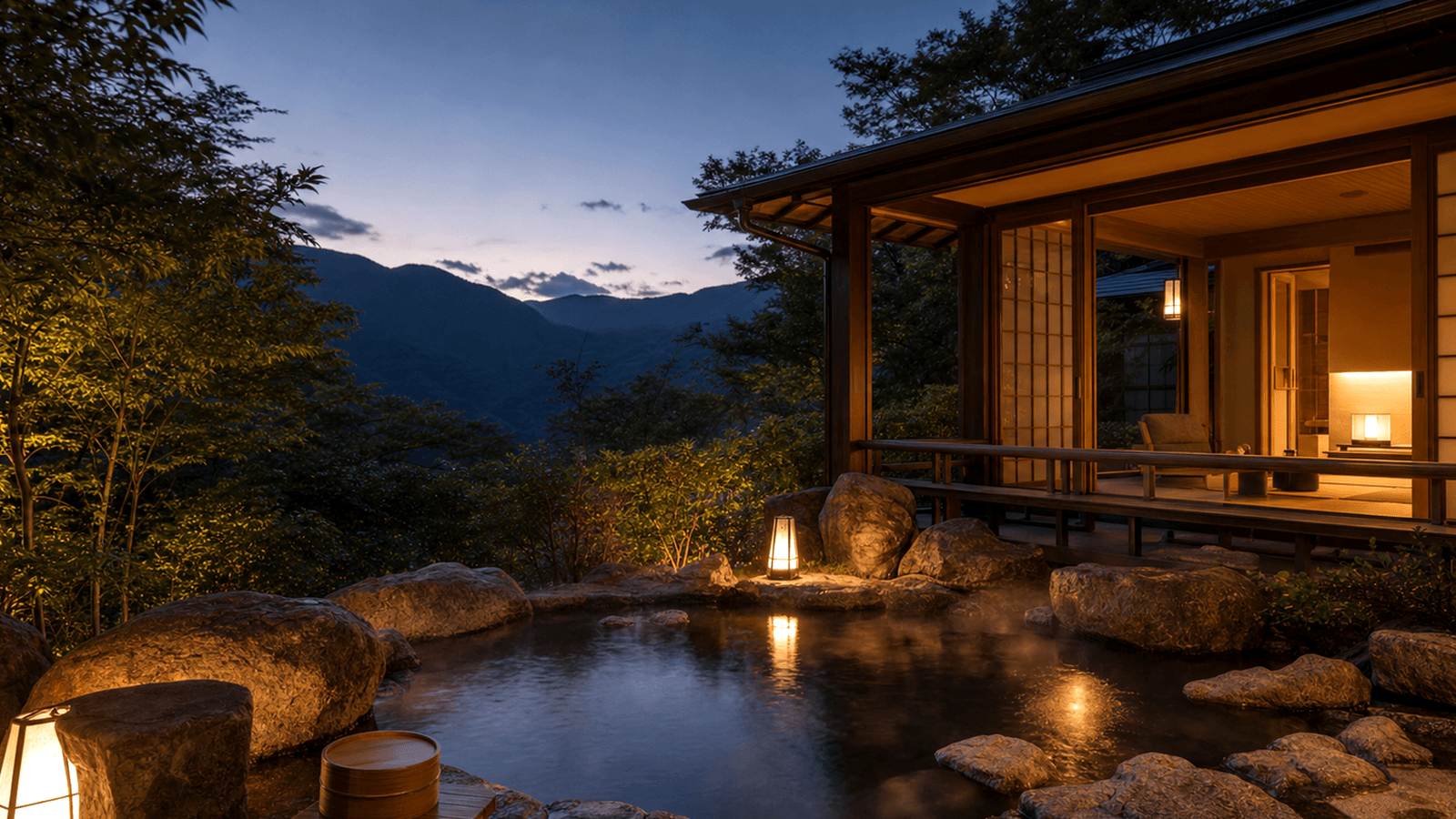
Etiquette Onsen and Shoes
The basic behavior layer: shoes, bathing, quiet transit and respect without overthinking it.
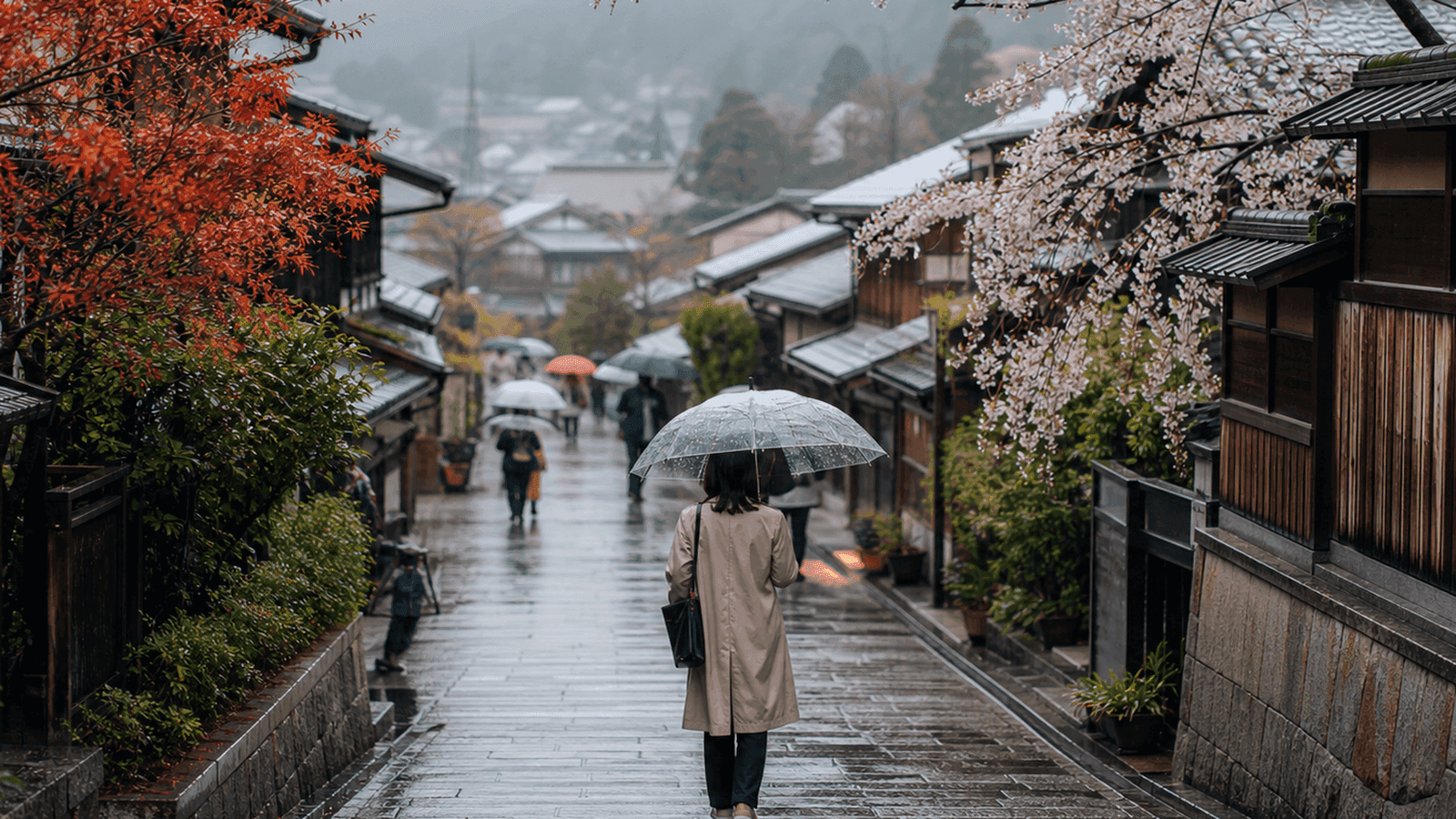
Weather Crowd and Reservation Flexibility
The planning layer for rainy days, summer heat, peak weeks and popular restaurants or trains.
Mini itinerary
- 1Set up IC card / payment plan
- 2Decide luggage forwarding points
- 3Reserve key trains or popular lodging when needed
- 4Build weather and etiquette basics into the route
Interactive packing list
Packing list for Japan
Powered by Plantrip
Check off the essentials as you prepare. This interactive list is provided by PlanTrip.
Planning notes
Avoid These Common Mistakes
Leaving IC cards until the first busy station
Set up payment before stress hits.
Dragging luggage through every transfer
Forwarding and lockers exist for a reason.
Overstudying etiquette
Know the basics, then observe. Calm respect is enough.
Travel planning answers
Japan practical FAQ
Do you need cash in Japan?+
Yes, carry some cash, but cards and IC cards are widely useful in cities.
Do you need reservations?+
For every meal, no. For popular restaurants, peak trains or special lodging, sometimes yes.
Is luggage forwarding worth it?+
Often, especially around Hakone, Himeji or multi-city routes.
Is Japan difficult for first-time visitors?+
Not usually. The systems are strong; the main challenge is route density.
Worth it / Skip if
Worth it
This guide is worth reading because many Japan stress points are small, practical and easy to solve before travel.
Skip if
Skip it only if you already know Japan’s transit, payment and luggage basics well.
With kids
Solve payment, luggage and meal flexibility early; those details keep family days calm.
Budget range
Low
Relevant to route choices
Mid
Depends on rail and hotel choices
Comfort
Comfort adds location and flexibility
Guide details
Settle three things before flying: how to pay for the first journey, how your luggage will reach the hotel and how to open bookings without reception. Then learn a few practical rules for trains and bathing.
IC Cards and Ticket Basics
An IC card such as Welcome Suica pays for eligible local journeys from stored credit. It is not an unlimited rail pass. JR East lists its coverage and explains that some express services need additional tickets. Do not assume it covers every long-distance trip or a continuous journey between separate IC areas.
Check how to buy and top up your chosen card or app. Keep a second payment option available on arrival in case the digital setup does not work immediately.
Mobile internet in Japan
Decide before departure how you will look up train connections, hotel addresses and translations. Compare your existing roaming plan with a travel eSIM. Your exact phone model must support eSIM and be carrier-unlocked; also check the plan's validity, data allowance, activation terms and network coverage along your route.
Download maps and key booking details for offline use too. They help on arrival, when reception drops or if your data allowance runs out.
Luggage Forwarding and Lockers
Storage may suit a short Himeji stop; forwarding between hotels may suit an intervening Hakone night. JNTO describes storage and delivery options, but confirm availability, size limits and delivery time for your journey.
Ask the next hotel whether it will accept the delivery. Keep medicines, documents and everything needed for the intervening night with you. Do not rely on finding an empty large locker or assume same-day delivery.
Etiquette Onsen and Shoes
At an onsen, wash and rinse at the designated washing stations before entering the bath. Keep your towel out of the bathwater. JNTO’s bathing guide explains the process; ask the individual property about tattoos and private baths.
Look for shoe shelves and signs at entrances instead of assuming the same rule everywhere. Keep conversations quiet on trains and leave doors and aisles clear. When unsure, asking a brief question is more useful than memorizing a long list.
Weather Crowd and Reservation Flexibility
For a rainy Tokyo or Kyoto day, choose an indoor visit that is open and close to your hotel or planned neighborhood. A museum with extensive outdoor grounds is not a dependable substitute in heavy rain.
Reserve what truly matters, leave room around the rest and keep one easy backup per major city.
Planning Logic
Save hotel addresses, the correct arrival station and important bookings offline. Recheck luggage drop-off and collection when changing hotels; a working arrangement in Tokyo does not automatically apply in Hakone.
Do not turn etiquette into fear. Learn the main patterns and stay observant.
What I Would Prioritize
I would prioritize IC card setup, luggage strategy and weather backups before detailed restaurant or attraction planning.
Where to Go Next
The Japan budget guide explains how to avoid counting IC-card top-ups and actual spending twice. Use Japan Highlights to choose the city guides for your days.
Sources & Last updated
Last updated: 2026-09-07
Sources
- Japan National Tourism Organization: Official Japan travel planning, regional and seasonal context(checked: 2026-06-16)
- Japan Rail Pass: Official Japan Rail Pass information and long-distance rail planning(checked: 2026-06-16)
- JR East - Welcome Suica: Official IC card information for visitors(checked: 2026-06-16)
- Saily – eSIM-compatible devices: Device compatibility and the requirement for a carrier-unlocked phone(checked: 2026-09-07)
For your trip planning
Travel Services
Useful services for your trip. Choose what fits your plans.
Affiliate offers: We may earn a commission if you book. External search forms load only when opened, sharing data with Travelpayouts and the provider.
Nearby / next stop
BUDGET · PLAN
Last updated 2026-09-07
Japan Budget Guide
A realistic Japan budget guide for rail passes, hotels, food and the choices that actually change daily cost.
Read guide →
PLAN
Last updated 2026-06-16
Japan Intro and Overview
The calm starting point for a first Japan route: what to expect, how trains shape the trip and where to avoid overplanning.
Read guide →