Guide
Iceland Budget Guide for the Ring Road
Iceland budget for two: ten days, nine room nights and separate rental days. A EUR 3,550 worked example before flights and activities.
Save it for later on this device or print a clean planning copy.
Quick facts
- Best time
- Calculate for actual travel dates; do not assume uniform summer or winter costs
- Recommended duration
- Budget planning for 7–14 travel days
- Budget range
- Low: 170–280 EUR / 2 people / day · Mid: 320–560 EUR / 2 people / day · Comfort: 650+ EUR / 2 people / day
- With kids
- Yes
Orientation
What this plan covers
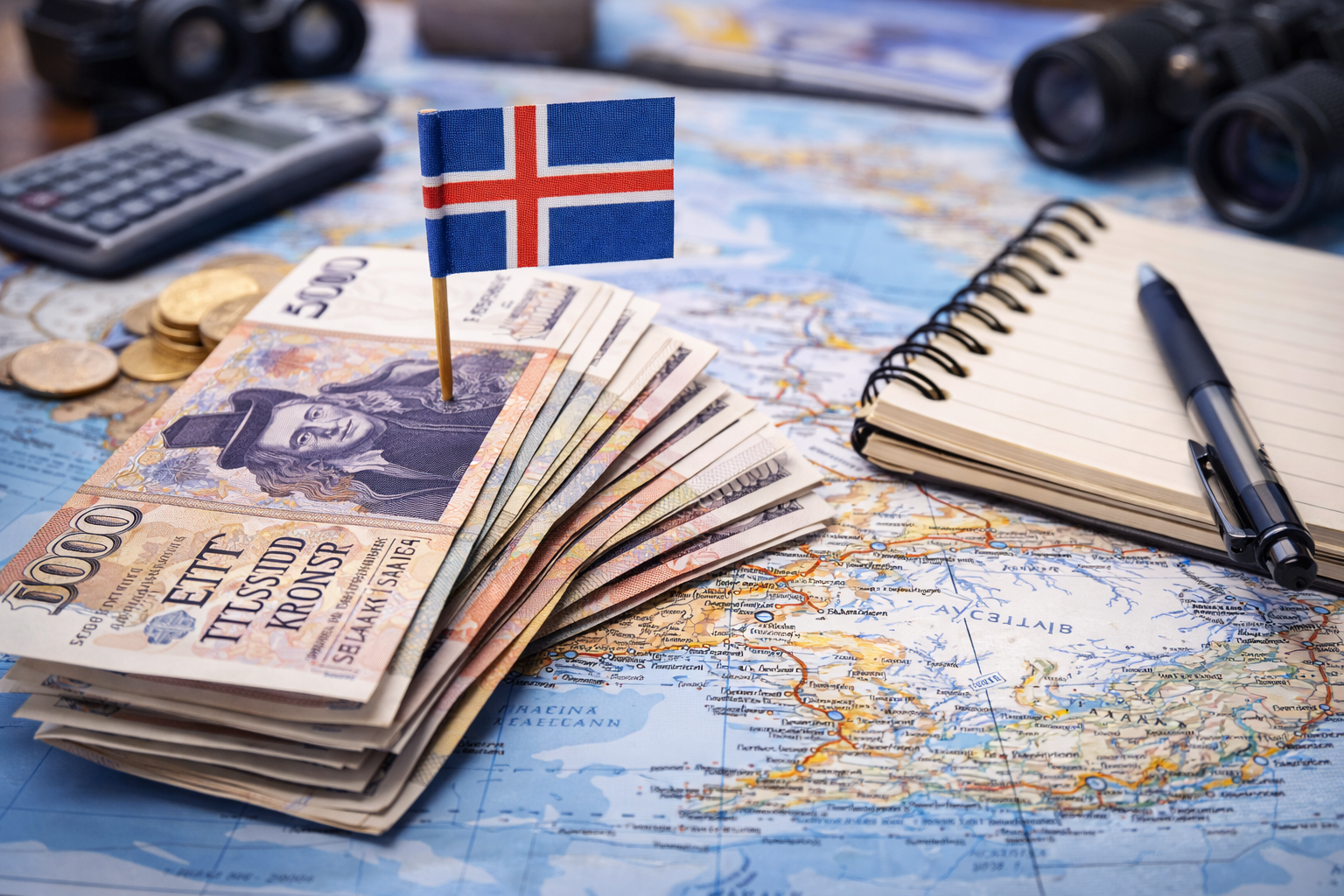
Build the Iceland budget from room nights, billed car-rental days and people. A ten-day example for two totals EUR 3,550 before flights and activities; every unit price is an assumed calculation input.
I would enter the nights between Vík and Höfn and the complete car quote first. Then decide how much remains for a boat trip or bath.

I would enter the nights between Vík and Höfn and the complete car quote first. Then decide how much remains for a boat trip or bath.
Alex Travels · TravelHighlights.io
Keep planning
Choose the next useful step
Jump straight to the next relevant part of your trip.
Guide map
- Reykjavik
- Golden Circle
- Vik and South Coast
- Jökulsárlón
- East Fjords
- Akureyri and North Iceland
Highlights
Top highlights
Rental car and insurance
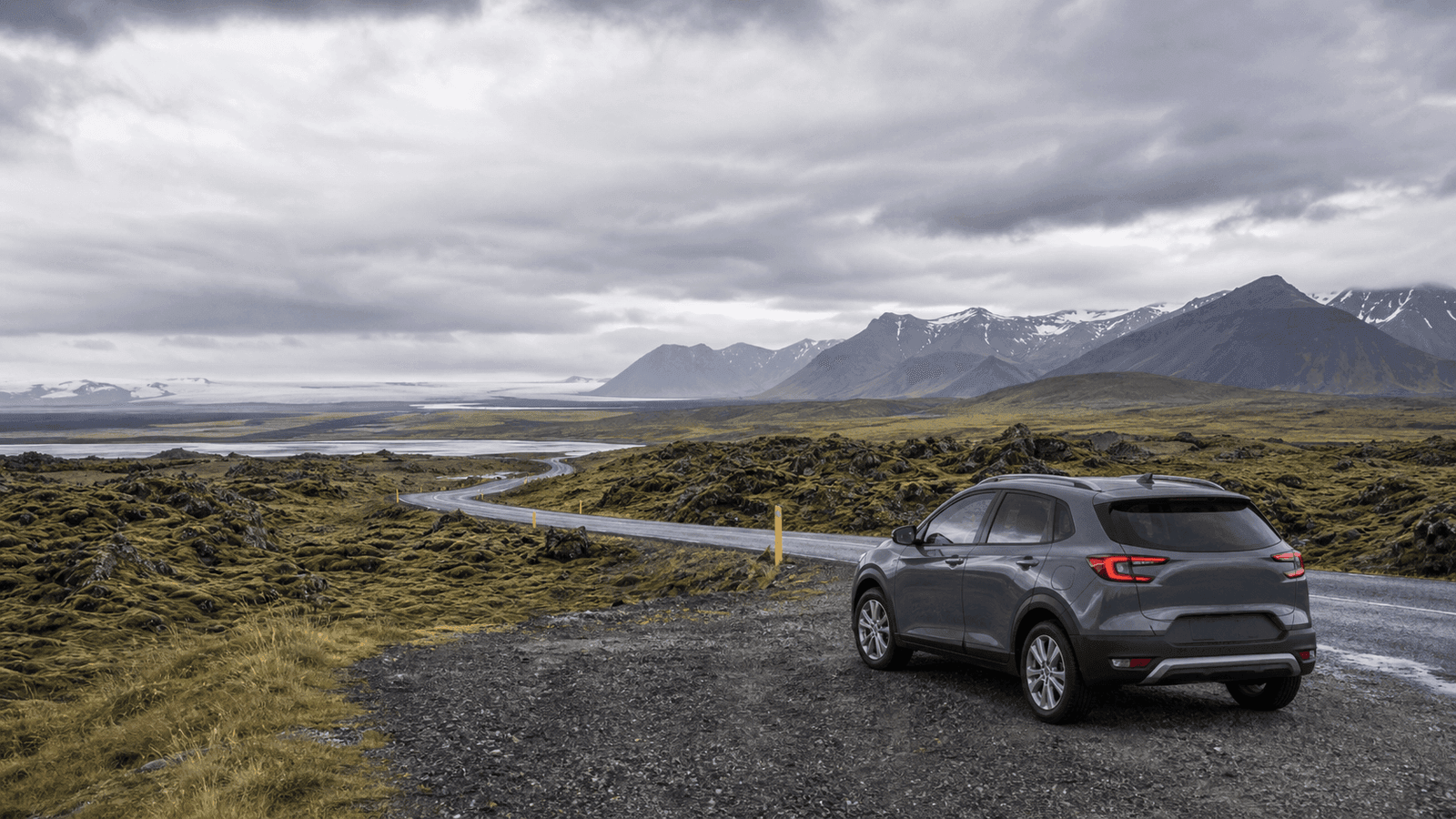
Compare the final quote including pickup location, rental duration, additional drivers and offered protection packages.
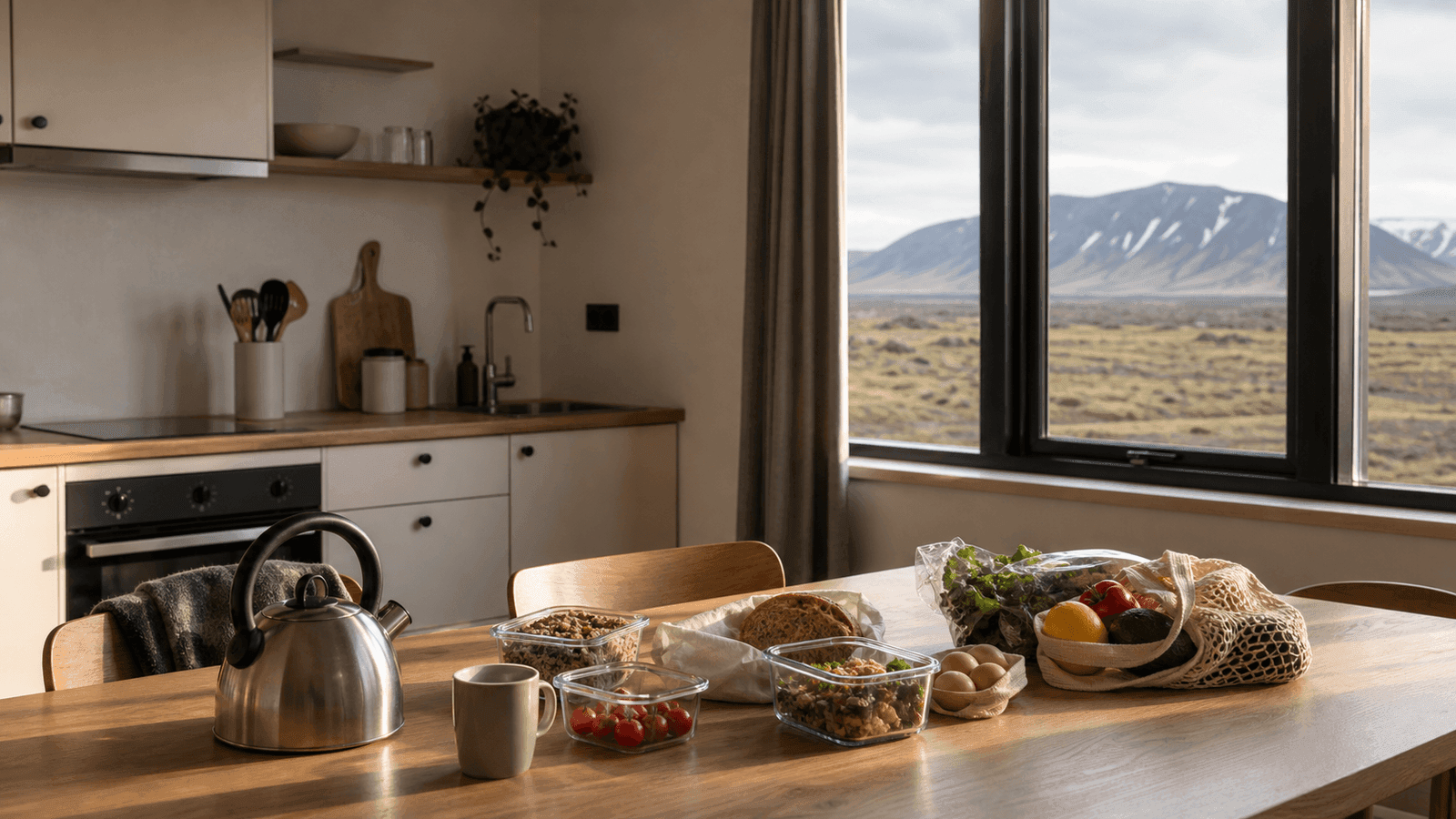
Accommodation with kitchen access
Around Vík and the southeast, begin with rooms actually available on your dates.
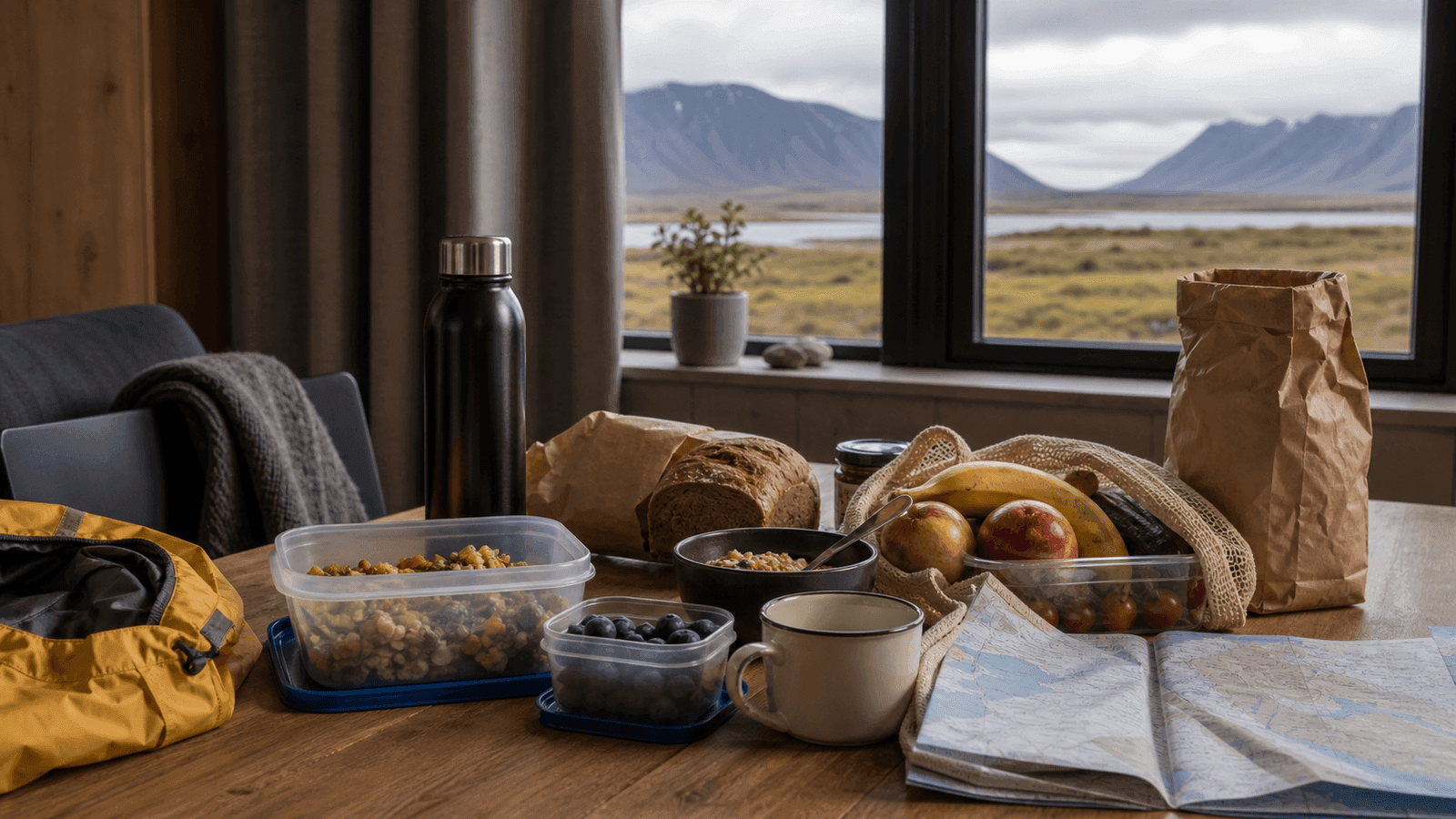
Food strategy
Breakfast at the accommodation and a purchased lunch help particularly between Vík, Höfn and the East Fjords.
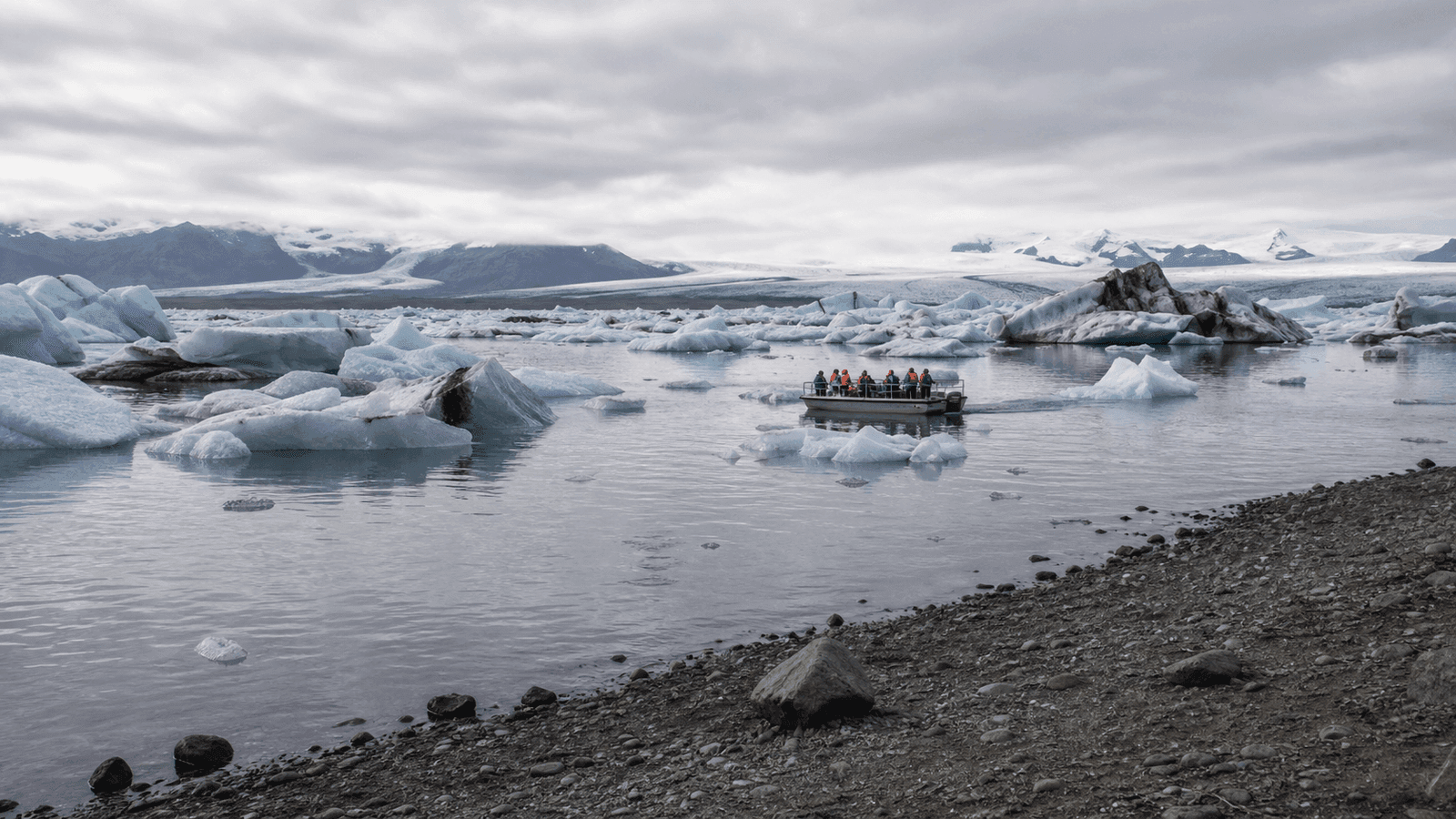
Paid activities
A landscape may be accessible without an admission ticket yet still involve parking or service fees.
Itinerary
Suggested itinerary
Budget planning for 7–14 travel days
Build the Iceland budget from room nights, billed car-rental days and people. A ten-day example for two totals EUR 3,550 before flights and activities; every unit price is an assumed calculation input.
- 1Count rooms by nights and cars by billed rental periods.
- 2Add meals, fuel and parking; enter flights and activities separately.
- 3Reconcile prepayments and later card statements without adding them twice.
Bases
Best base areas
Best for
Vík and the southeast
Compare available rooms together with extra backtracking
Pros
- Compare available rooms together with extra backtracking
Watch-outs
- A cheaper room can create extra driving
Best for
Accommodation with a kitchen
Treat as a saving only when meals there are planned
Pros
- Treat as a saving only when meals there are planned
Watch-outs
- Late arrival may prevent planned cooking
Planning notes
Avoid These Common Mistakes
Count the travel block incorrectly
Do not adopt a daily amount without room occupancy, included items and the actual rental duration.
Overlook access and the travelling party
Use the specific family room and actual child prices. Two adults sharing a room is not a reliable family budget.
Travel planning answers
Questions about this travel plan
How much time does the plan actually allow?+
Build the Iceland budget from room nights, billed car-rental days and people. A ten-day example for two totals EUR 3,550 before flights and activities; every unit price is an assumed calculation input.
Which addition goes first?+
Do not adopt a daily amount without room occupancy, included items and the actual rental duration.
What matters with children?+
Use the specific family room and actual child prices. Two adults sharing a room is not a reliable family budget.
Worth it / Skip if
Worth it
Build the Iceland budget from room nights, billed car-rental days and people. A ten-day example for two totals EUR 3,550 before flights and activities; every unit price is an assumed calculation input.
Skip if
Do not adopt a daily amount without room occupancy, included items and the actual rental duration.
With kids
Use the specific family room and actual child prices. Two adults sharing a room is not a reliable family budget.
Budget range
Low
170–280 EUR / 2 people / day
Mid
320–560 EUR / 2 people / day
Comfort
650+ EUR / 2 people / day
Guide details
Calculate ten days and nine nights for two adults
Hypothetical inputs, not a market quote: nine room nights at EUR 180 make EUR 1,620. Nine billed car-rental days at EUR 90 make EUR 810; ten days of meals for two at EUR 80 make EUR 800. Add assumed fuel of EUR 240 and parking of EUR 80. The total is EUR 3,550 for two, or EUR 1,775 per person and EUR 177.50 per person per travel day. Flights, boat tours, thermal baths and other admissions remain additional. Nine rental days work only when pickup and return produce nine billed periods; a later departing flight may trigger a tenth.
Car rental, fuel and cover
Compare the final quote including pickup location, rental duration, additional drivers and offered protection packages. A low base price is not comparable without those details. A Ring Road journey does not require a highland crossing. Four-wheel drive does not make every F-road suitable either; check the specific vehicle permission and current road opening. Calculate fuel from planned kilometres, realistic consumption and a current pump price. Golden Circle, Snæfellsnes and accommodation access add distance beyond the main circuit. A winter offer does not guarantee a lower total: disruption or changed overnight stops can erase the saving.
Compare rooms by nights and location
Around Vík and the southeast, begin with rooms actually available on your dates. A cheaper property far west saves little if it creates extra backtracking after the lagoon visit. Check the specific kitchen, linen, breakfast and cancellation terms. A ten-day plan with nine nights should not multiply a room price by ten. For families, a family room or apartment replaces the two-adults-sharing assumption; extra travellers do not necessarily divide costs evenly.
Prepare food for driving days
Breakfast at the accommodation and a purchased lunch help particularly between Vík, Höfn and the East Fjords. Shop for the next stage before leaving the service town, and check actual opening hours. A kitchen only saves money when used; frequent hotel changes and late arrivals favour a few prepared meals over an elaborate cooking plan. Track groceries separately from restaurant meals so an evening out is not added on top of an already complete daily allowance.
Separate landscape access, parking and tours
A landscape may be accessible without an admission ticket yet still involve parking or service fees. The national park lists such charges at Skaftafell and Jökulsárlón. A boat trip is an additional booking: amphibian and Zodiac tours have different durations and prices. Choose the experience you actually want and check meeting arrangements, weather terms and changes. A paid bath is a deliberate alternative to another activity, rather than a compulsory expense every driving day.
Record ISK and EUR without double counting
Keep the original ISK amount alongside the currency actually charged to your card. The EUR examples here are calculation assumptions, not a fixed exchange rate. Include prepaid rooms in the trip total without recording them as new spending at check-in. Note a card authorisation separately from a completed charge and reconcile the statement. Finally compare accommodation per night, cars per billed rental day and the whole-trip total per person: that shows which part changed the cost.
Planning sources
Vatnajökull National Park – service fees · Safetravel – driving · Safetravel – highland driving · Jökulsárlón boat operator – tours and FAQ. Iceland itinerary.
Sources & Last updated
Last updated: 2026-09-07
Sources
- Vatnajökull National Park – service fees: Service/parking charges at Skaftafell and Jökulsárlón; no fixed prices asserted here(checked: 2026-09-07)
- Safetravel – driving: Fatigue after overnight flights, changing road conditions, permitted photo stops(checked: 2026-09-07)
- Safetravel – highland driving: Not every four-wheel-drive vehicle suits every F-road; check opening and vehicle suitability(checked: 2026-09-07)
- Jökulsárlón boat operator – tours and FAQ: Amphibian 30–40 minutes, Zodiac 75 minutes; confirm product-specific child eligibility(checked: 2026-09-07)
For your trip planning
Travel Services
Useful services for your trip. Choose what fits your plans.
Affiliate offers: We may earn a commission if you book. External search forms load only when opened, sharing data with Travelpayouts and the provider.
Nearby / next stop
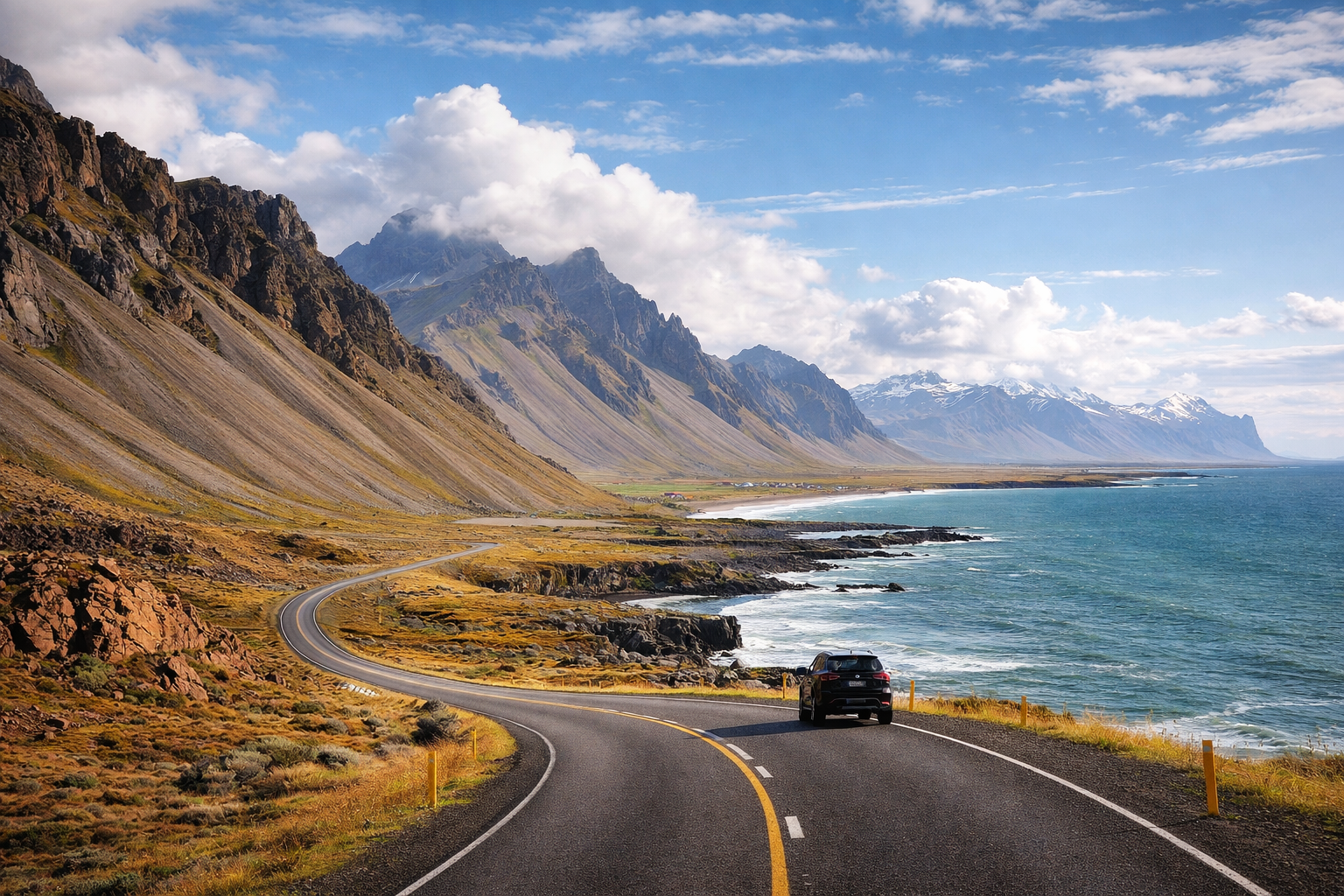
ROUTE
Last updated 2026-09-07
Iceland Ring Road Itinerary
Iceland’s Ring Road in 10 or 14 days, plus a south-coast week: counted nights, transfer limits and separate Mývatn and Snæfellsnes days.
Read guide →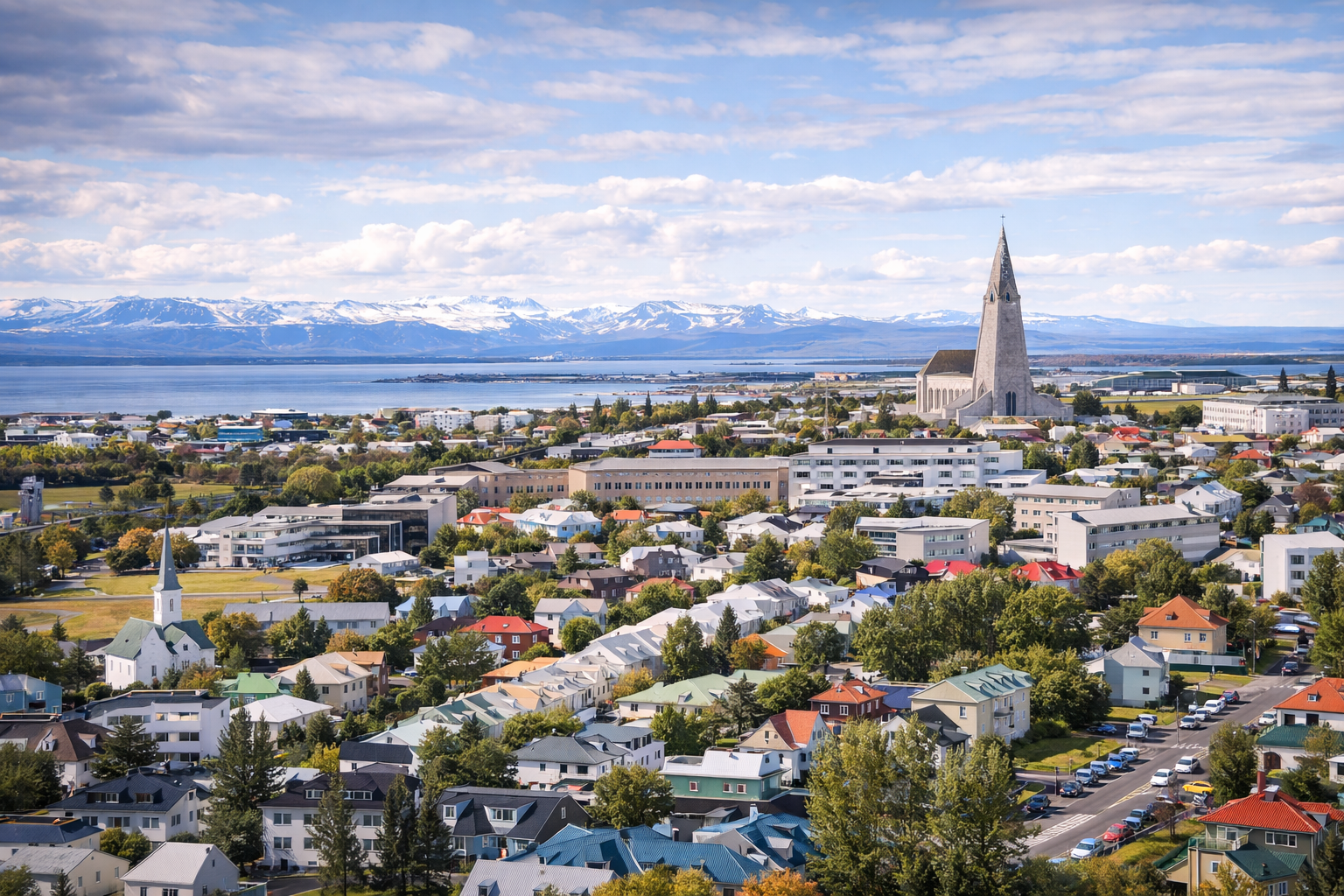
CITY
Last updated 2026-09-07
Reykjavík Guide: 1-3 Days Before or After the Ring Road
Reykjavík with two or three nights: Hallgrímskirkja, harbour, Perlan or a pool day, plus car-free arrival and budget planning.
Read guide →