Guide
Dolomites Highlights
The strongest Dolomites highlights for a first mountain trip, with enough context to choose a base and avoid overplanning.
Save it for later on this device or print a clean planning copy.
Quick facts
- Best time
- Summer mountain season; check each lift and trail
- Recommended duration
- 3-5 nights
- Budget range
- Low: 100-160 EUR/day · Mid: 180-330 EUR/day · Comfort: 400+ EUR/day
- With kids
- Yes
Stay west for Seceda and Alpe di Siusi, east for Tre Cime and Braies. Four nights at one base allow three full days without a cross-valley transfer.
Alex Travels · TravelHighlights.io
Keep planning
Choose the next useful step
Jump straight to the next relevant part of your trip.
Guide map
- Ortisei
- Seceda
- Alpe di Siusi
- Passo Giau
- Cortina d'Ampezzo
- Tre Cime di Lavaredo
- Lago di Braies
Highlights
Top highlights
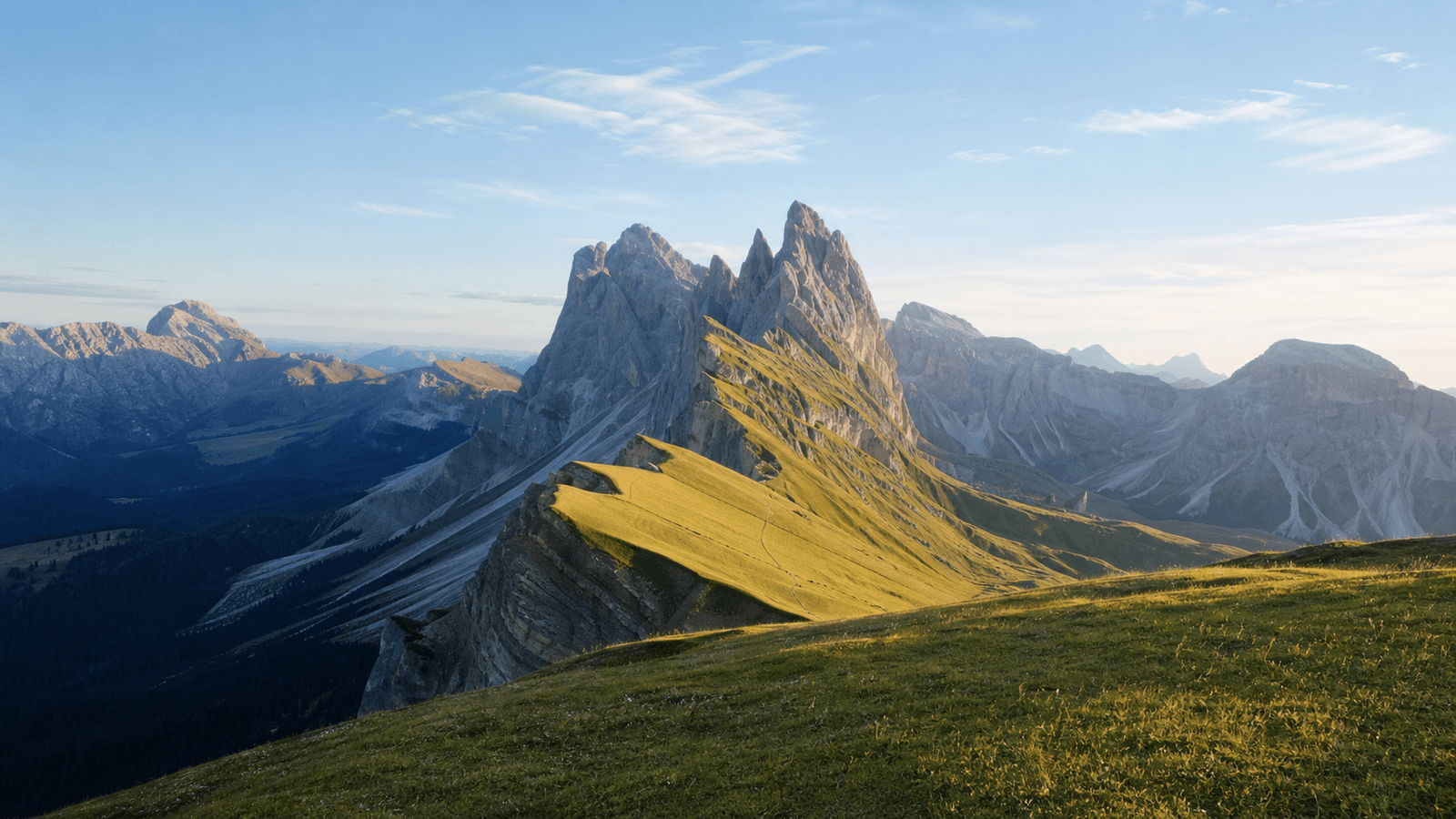
Seceda and Val Gardena
Classic Dolomites ridgelines with easy lift access from Ortisei and strong first-visit scenery.
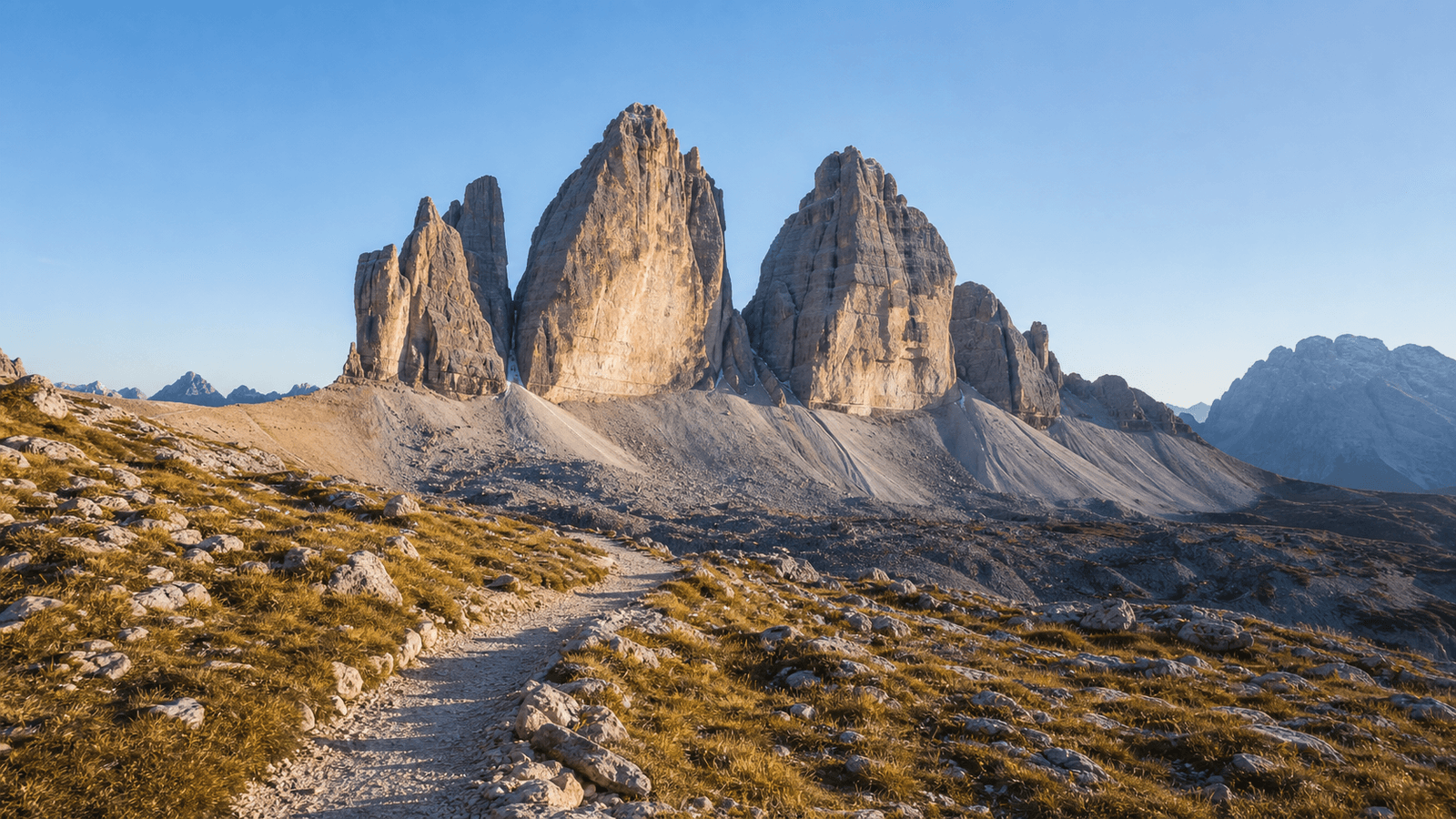
Tre Cime di Lavaredo
One of the most recognizable mountain landscapes in the Dolomites, best with parking or shuttle logistics planned ahead.
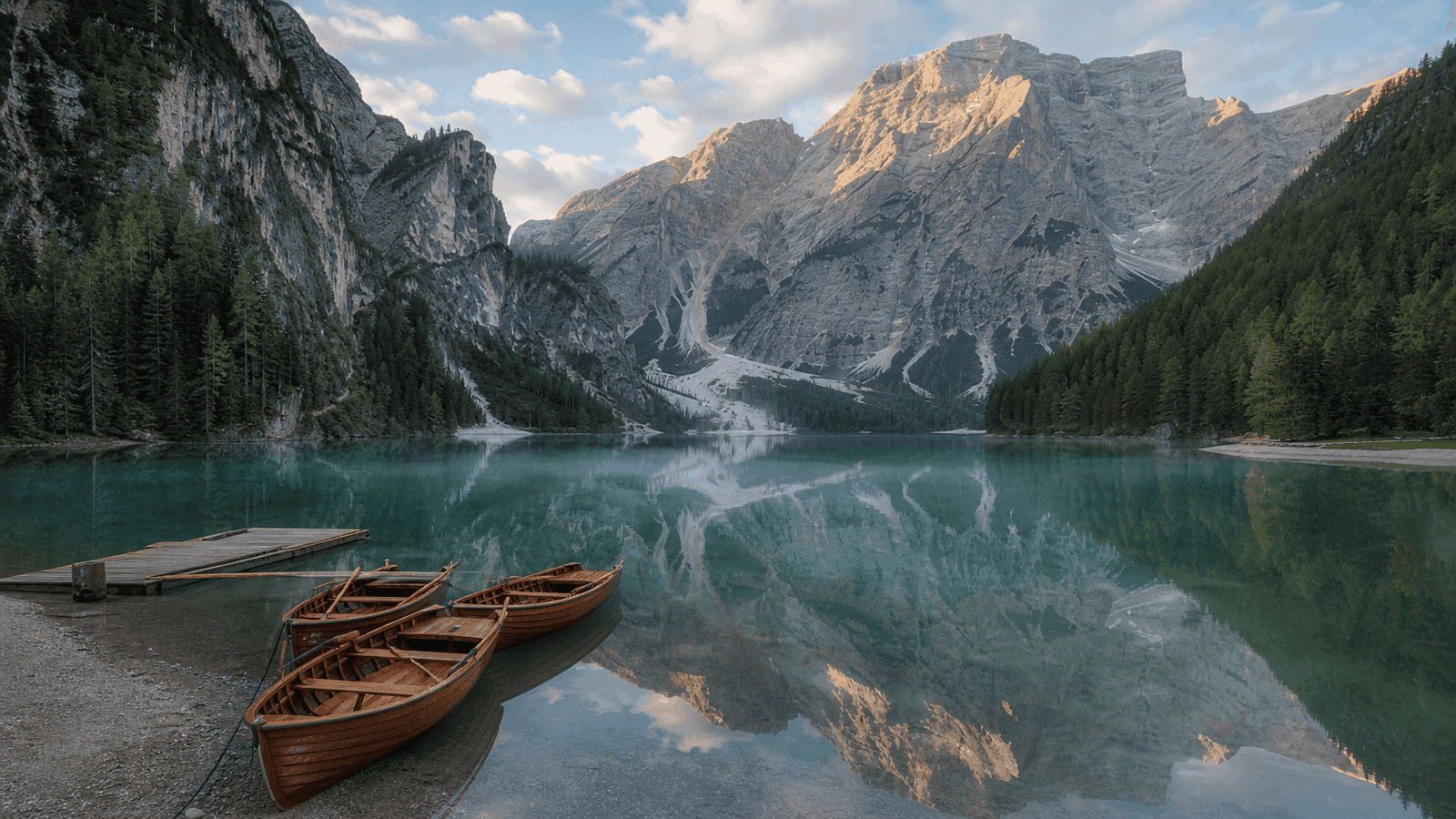
Lago di Braies
A beautiful lake stop that needs timed planning in peak season rather than a spontaneous midday visit.
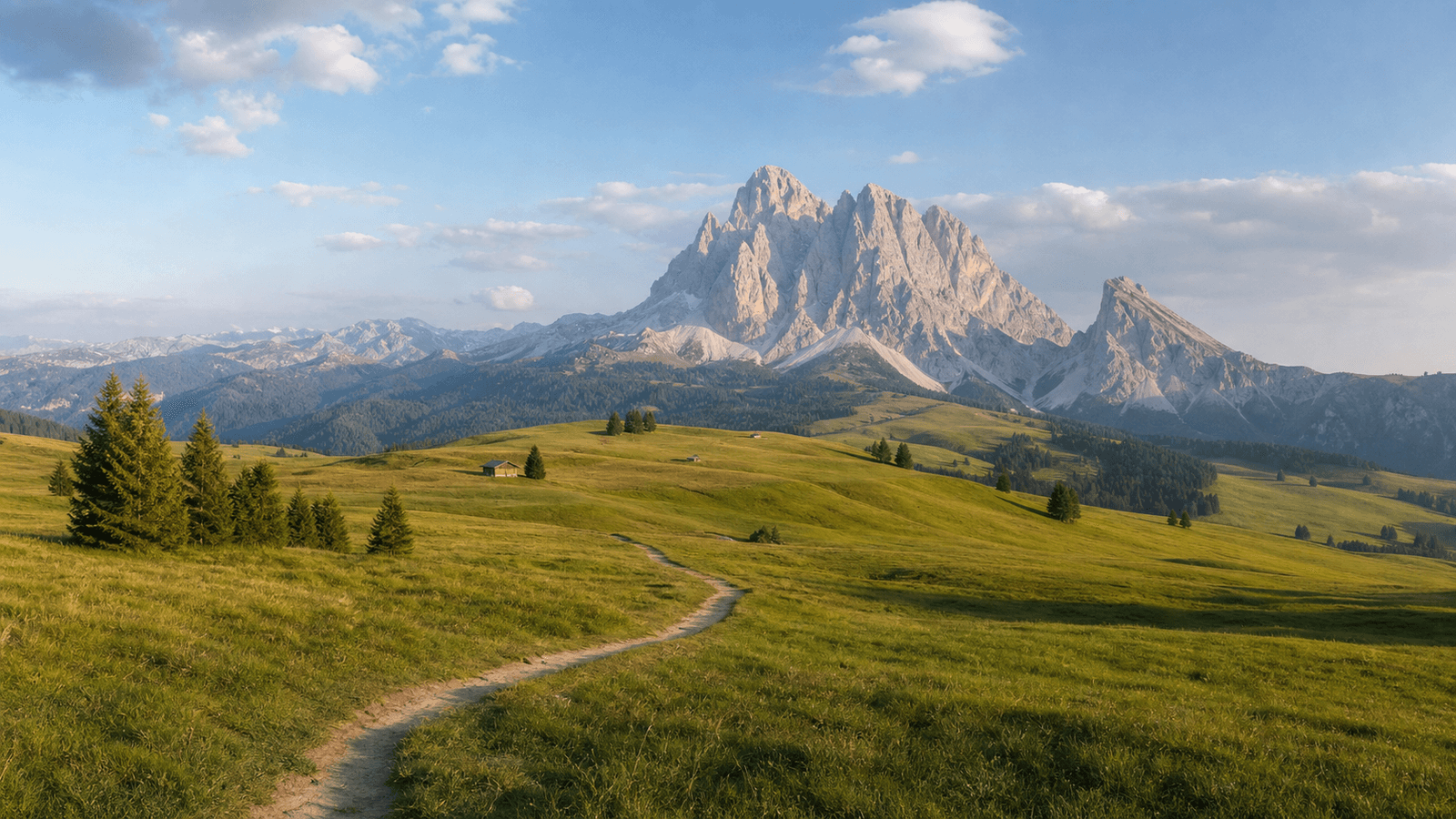
Alpe di Siusi
Wide meadow scenery, soft walking routes, and one of the best slower days in the region.
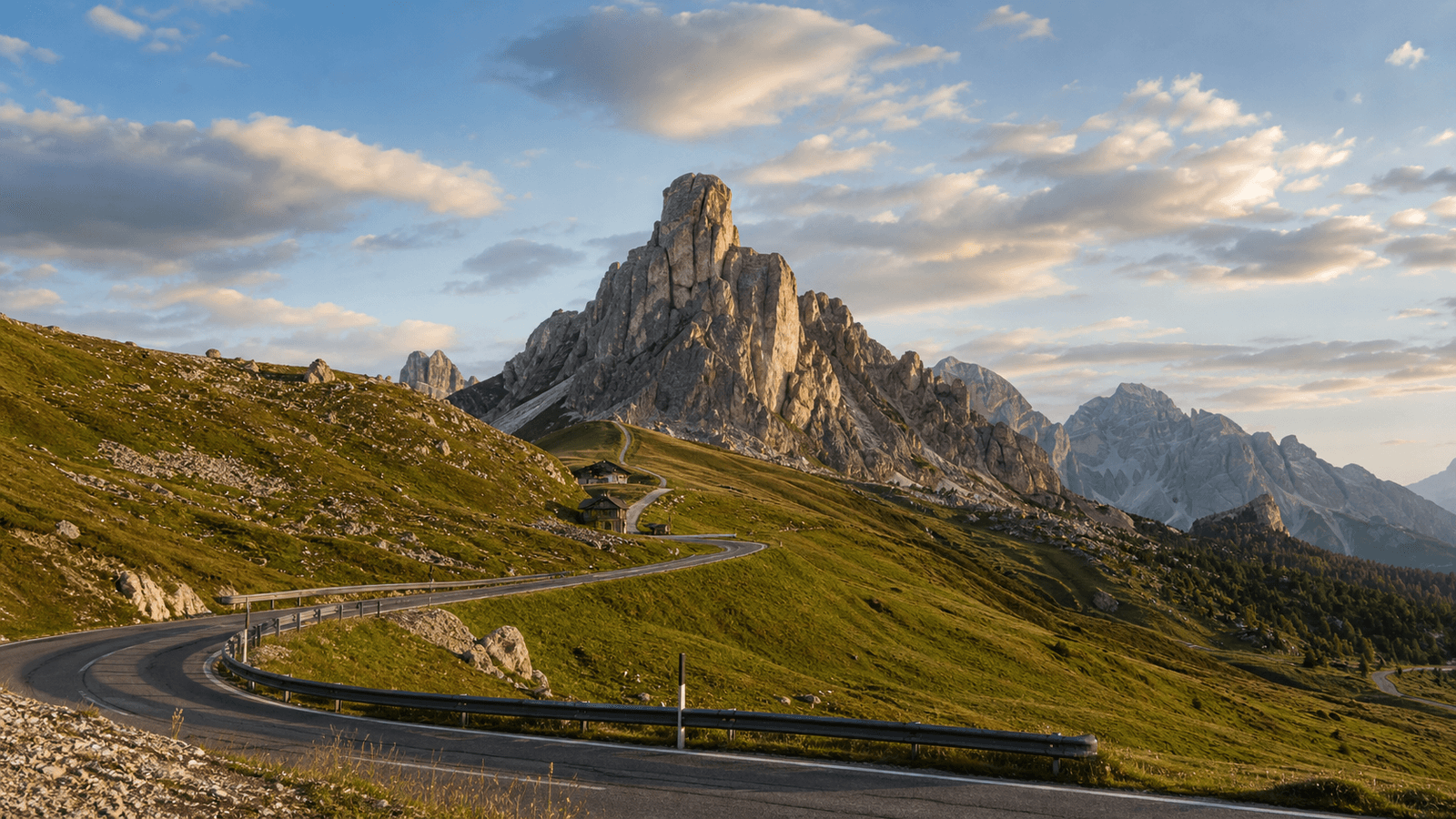
Passo Giau
Scenic pass near Cortina, best within an eastern stay rather than as a detour from Val Gardena.
Mini itinerary
- 1Base in Val Gardena, Alta Badia, or Cortina
- 2Plan one easy viewpoint day
- 3Add one hike or lake day
- 4Keep one flexible weather block
Interactive packing list
Packing list for Italy
Powered by Plantrip
Check off the essentials as you prepare. This interactive list is provided by PlanTrip.
Worth it / Skip if
Worth it
The most dramatic scenery in Northern Italy and a clear anchor for a scenic route.
Skip if
Skip if you have no interest in mountain roads, early starts, or weather flexibility.
With kids
Pick cable-car viewpoints and lake walks before committing to long hikes.
Budget range
Low
100-160 EUR/day
Mid
180-330 EUR/day
Comfort
400+ EUR/day
Guide details
The Dolomites are a base decision first
For Seceda and Alpe di Siusi, I would stay in Val Gardena, particularly Ortisei with practical access to the lift stations. For Tre Cime, Lago di Braies and Passo Giau, Cortina or Dobbiaco make better bases. Alta Badia deserves its own valley stay around Corvara and the Sella passes. Bolzano is useful for rail arrival and city time, rather than being an equivalent base for daily high-mountain outings.
Three nights provide two full days; four nights add a third day that can move with the weather. Keep one base for three to five nights. For west and east together, I would divide at least six nights between two valleys.
Strong first-trip highlights
Seceda and Val Gardena
Choose Seceda as a viewpoint outing from Ortisei when lift operation and weather suit. Lift access does not make every ridge path easy; the view near the upper station can be enough. For 2026, Dolomiti Supersummer explicitly excludes Ortisei–Furnes, Furnes–Seceda and Fermeda from this pass. Check the specific ticket before buying.
Lago di Braies
Lake Braies fits an eastern base. Check the official road and bus arrangements for your date; arriving early does not replace a required booking or guarantee parking. A shore visit and the full lake circuit involve different time and walking commitments. From the western valleys this is not a quick add-on.
Tre Cime di Lavaredo
Driving your own car to Rifugio Auronzo parking requires an online reservation with number plate and entry window. Check road opening and seasonal bus arrangements separately. Treat Tre Cime as a mountain day with a suitable route, equipment and weather decision; a parking ticket does not define a walk suitable for everyone.
Alpe di Siusi
Alpe di Siusi is my choice for a second western day. Select a trail by distance, gradient and return arrangements rather than assuming all meadow paths suit pushchairs. While the cable car operates, private uphill access is generally restricted between 9am and 5pm; check exceptions and parking capacity separately. The lift from Siusi is an alternative to the road approach, while the lift from Ortisei serves a different access point.
Passo Giau
Giau belongs in an eastern plan near Cortina. An authorised parking stop and a brief view can be enough; it is not an obligatory detour from Val Gardena to the next accommodation. Drop the scenic stop in poor visibility.
How long to stay
For four nights in Val Gardena: arrive on day one, use day two for Seceda, day three for Alpe di Siusi and day four for a local walk or weather reserve, then leave on day five. From Cortina, replace the two main outings with Tre Cime and Lake Braies or Giau. The base guide helps choose a valley, and the Northern Italy itinerary assigns the nights.
Daily allowances are per adult for two sharing a room and vehicle costs, including accommodation, food, local transport and selected admissions, excluding arrival travel. They are editorial planning estimates, not current quotes.
Sources & Last updated
Last updated: 2026-09-07
Sources
- TravelHighlights editorial: Editorial planning guide. Check lift schedules, hut openings, and weather before travel.
For your trip planning
Travel Services
Useful services for your trip. Choose what fits your plans.
Affiliate offers: We may earn a commission if you book. External search forms load only when opened, sharing data with Travelpayouts and the provider.
Nearby / next stop
PLANNING
Last updated 2026-09-07
Where to Stay in the Dolomites
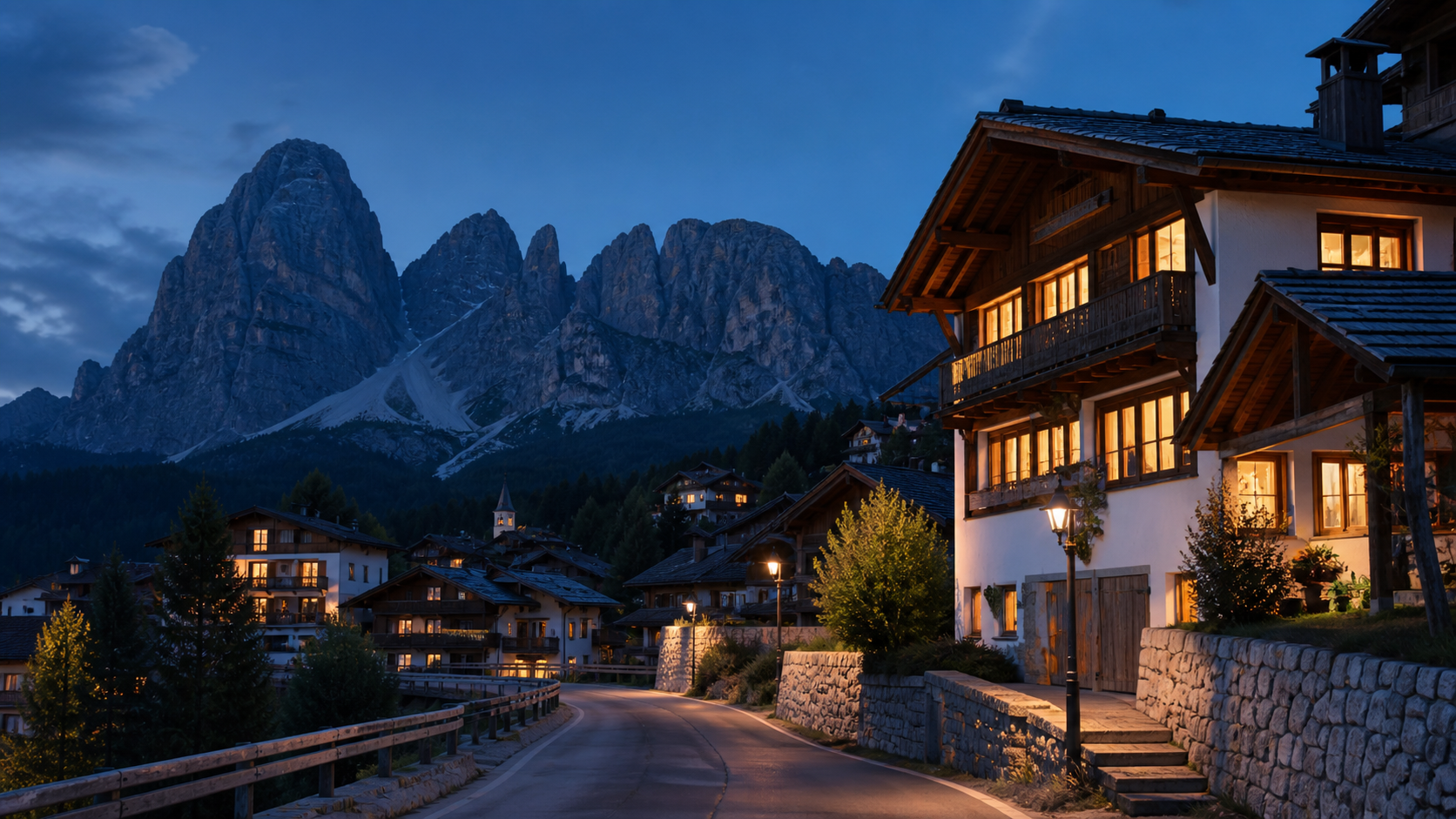
A practical base guide for choosing between Val Gardena, Alta Badia, Cortina, Dobbiaco and Bolzano without losing hours on mountain roads.
Read guide →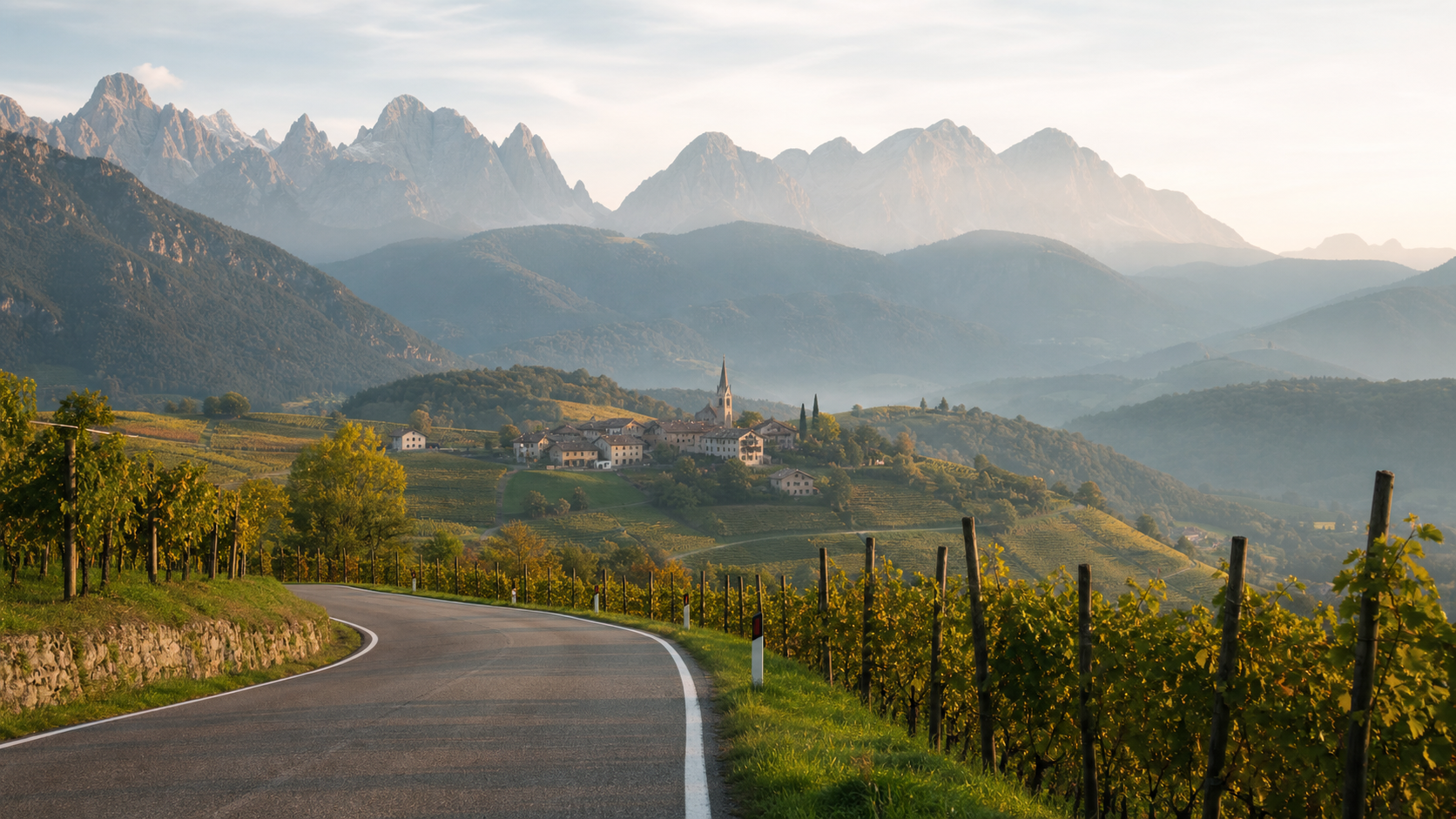
ROUTE
Last updated 2026-09-07
Northern Italy Roadtrip Itinerary
A practical 7-14 day route for linking Verona, Lake Garda, South Tyrol and the Dolomites without turning Northern Italy into a rushed checklist.
Read guide →