Guide
Banff Town: river walks, Cave and Basin and where to stay
Choose a two-hour Bow River walk or half a day with Bow Falls or Cave and Basin, with parking, gondola trade-offs and places to stay.
Save it for later on this device or print a clean planning copy.
Quick facts
- Best time
- May to October for town walks; assess mountain weather separately, Winter for the town and open cleared paths
- Recommended duration
- Half day to 1 day
- Budget range
- Low: 80-140 CAD/day · Mid: 150-280 CAD/day · Comfort: 350+ CAD/day
- With kids
- Yes
Orientation
River walks beside downtown
Banff Avenue and the Bow River let you combine food, supplies and a waterside walk without another drive.
Cave and Basin adds a dedicated cultural visit; Bow Falls extends the river walk. Plan the gondola separately around tickets and visibility.

With a short stay, I would use arrival day for a river walk and dinner, leaving the next morning free for a booked shuttle or trail start.
Alex Travels · TravelHighlights.io
Keep planning
Choose the next useful step
Jump straight to the next relevant part of your trip.
Guide map
- Banff Avenue
- Banff Train Station parking
- Bow River Trail
- Bow Falls
- Cave and Basin National Historic Site
- Banff Gondola and Sulphur Mountain
Highlights
Top highlights
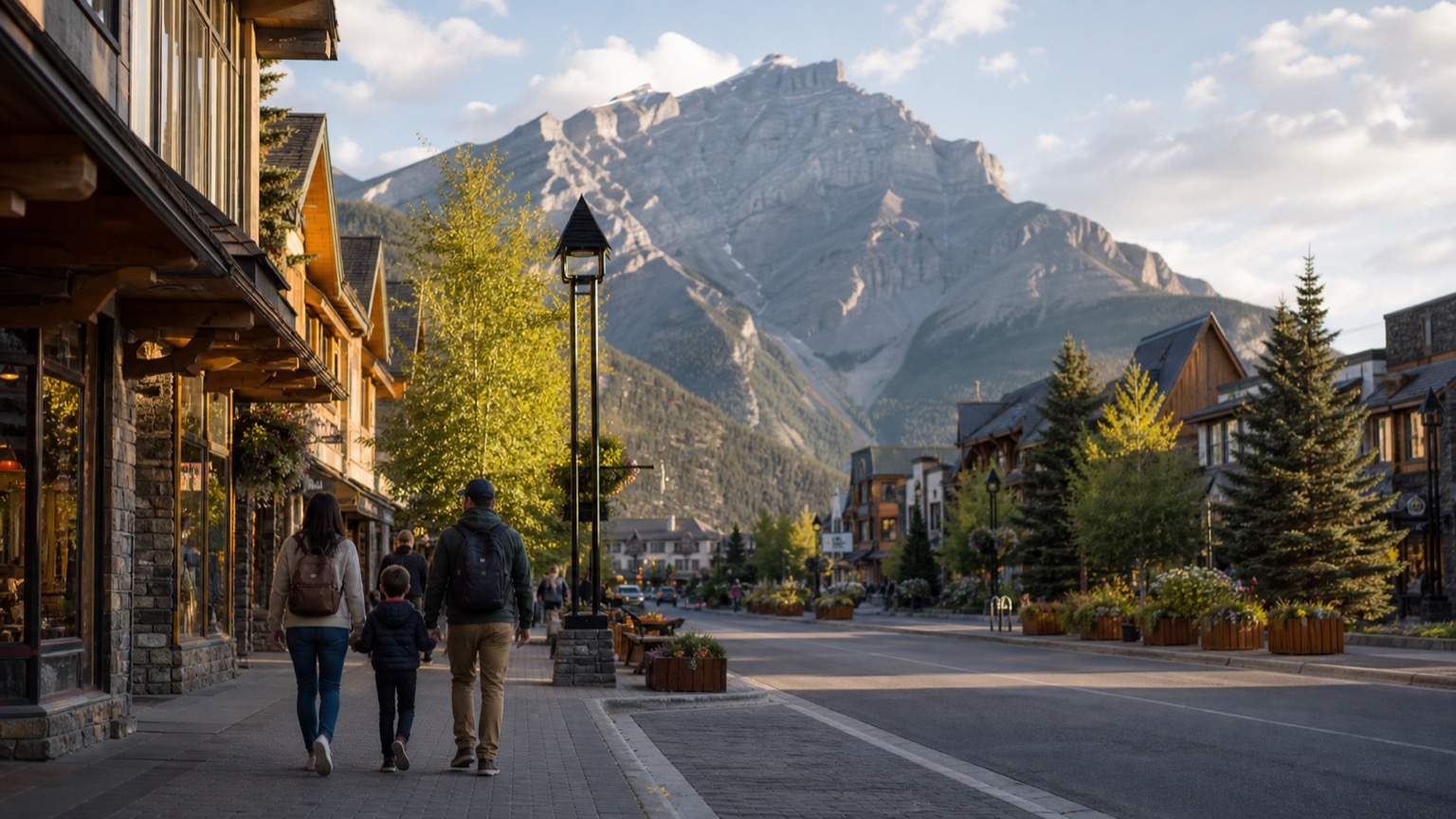
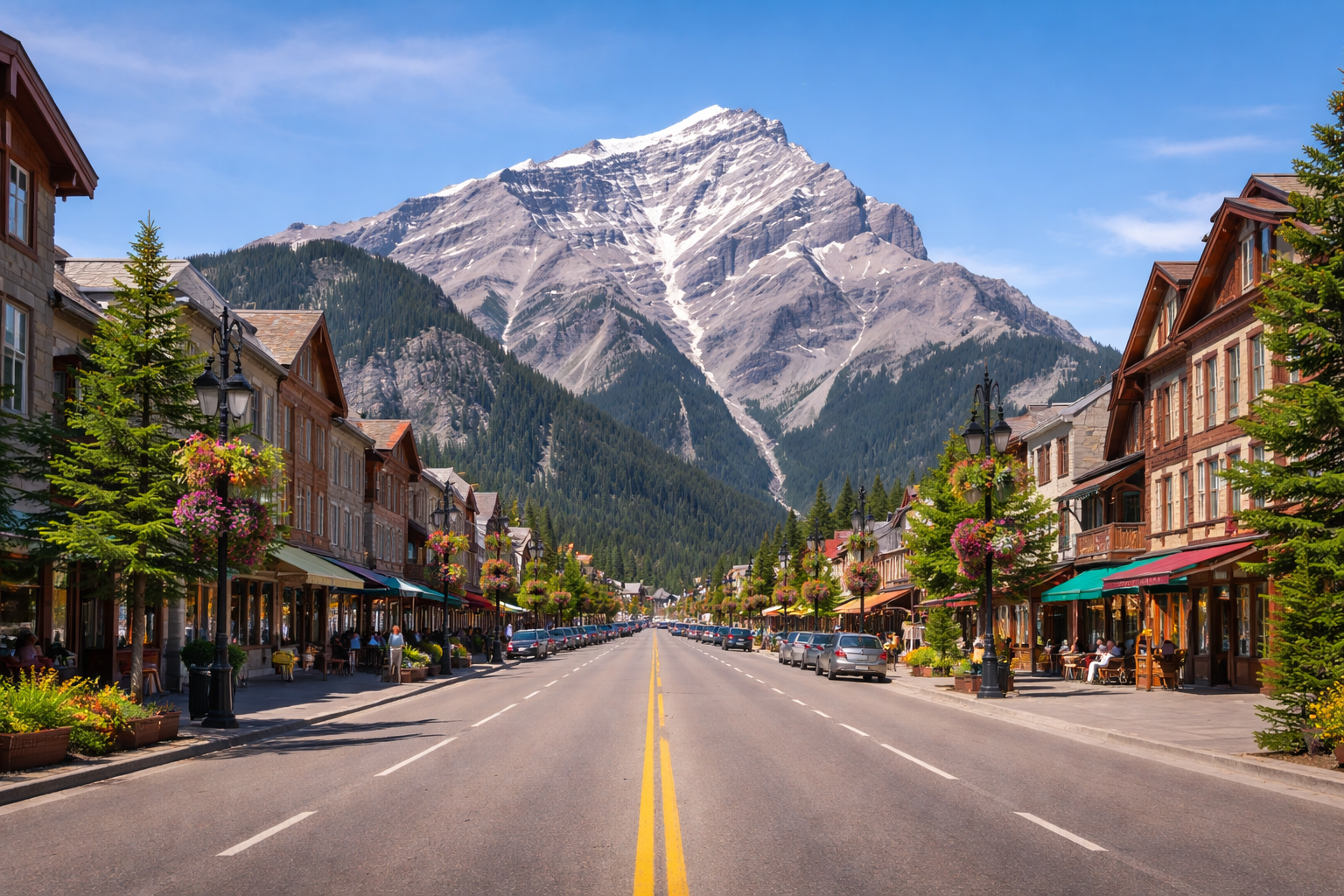
Banff Avenue in a short loop
Combine Banff Avenue with a meal, then turn towards the Bow River.
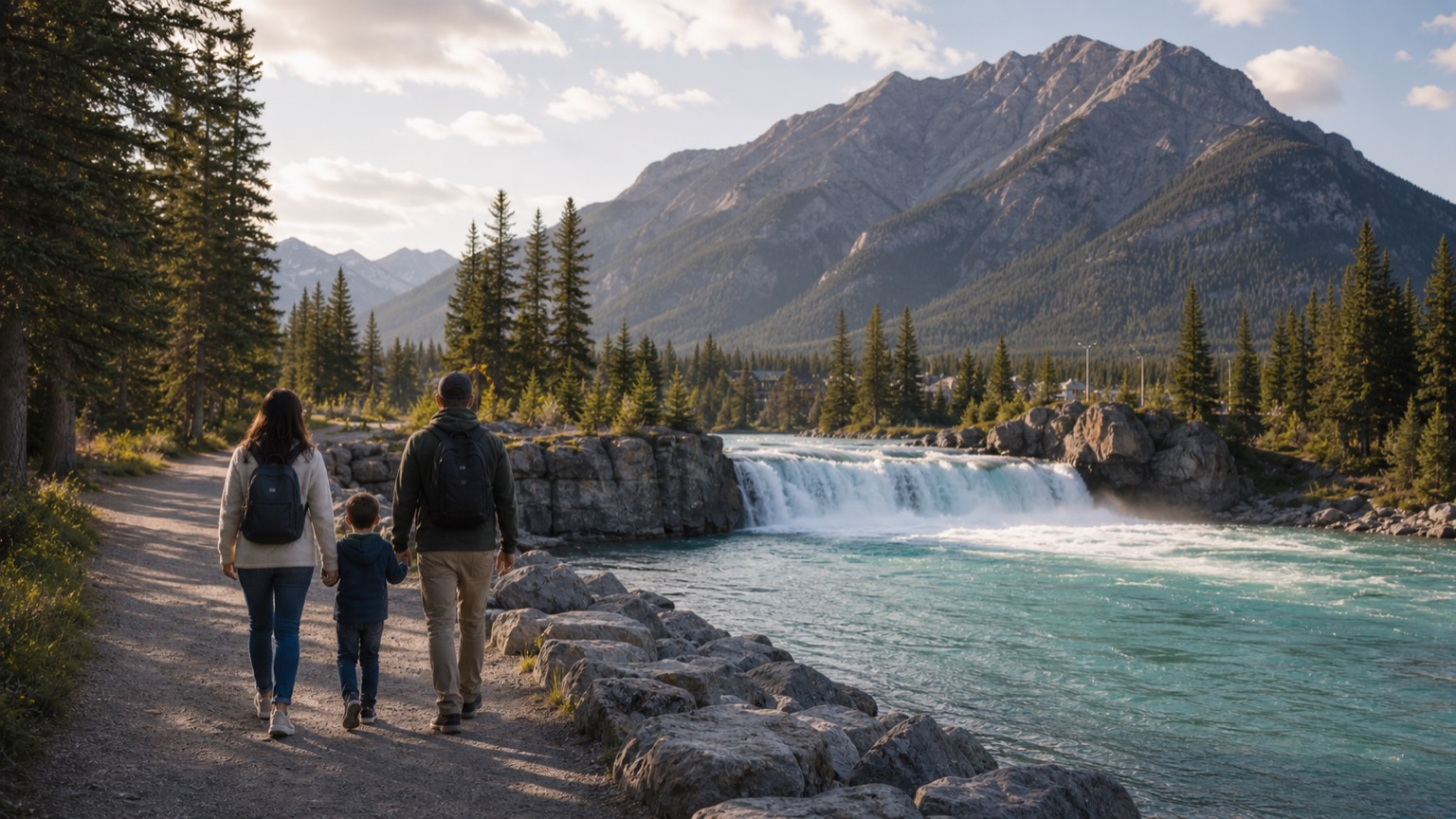
Bow River and Bow Falls
Use Central Park for a short break; Bow Falls needs an additional outward and return walk.
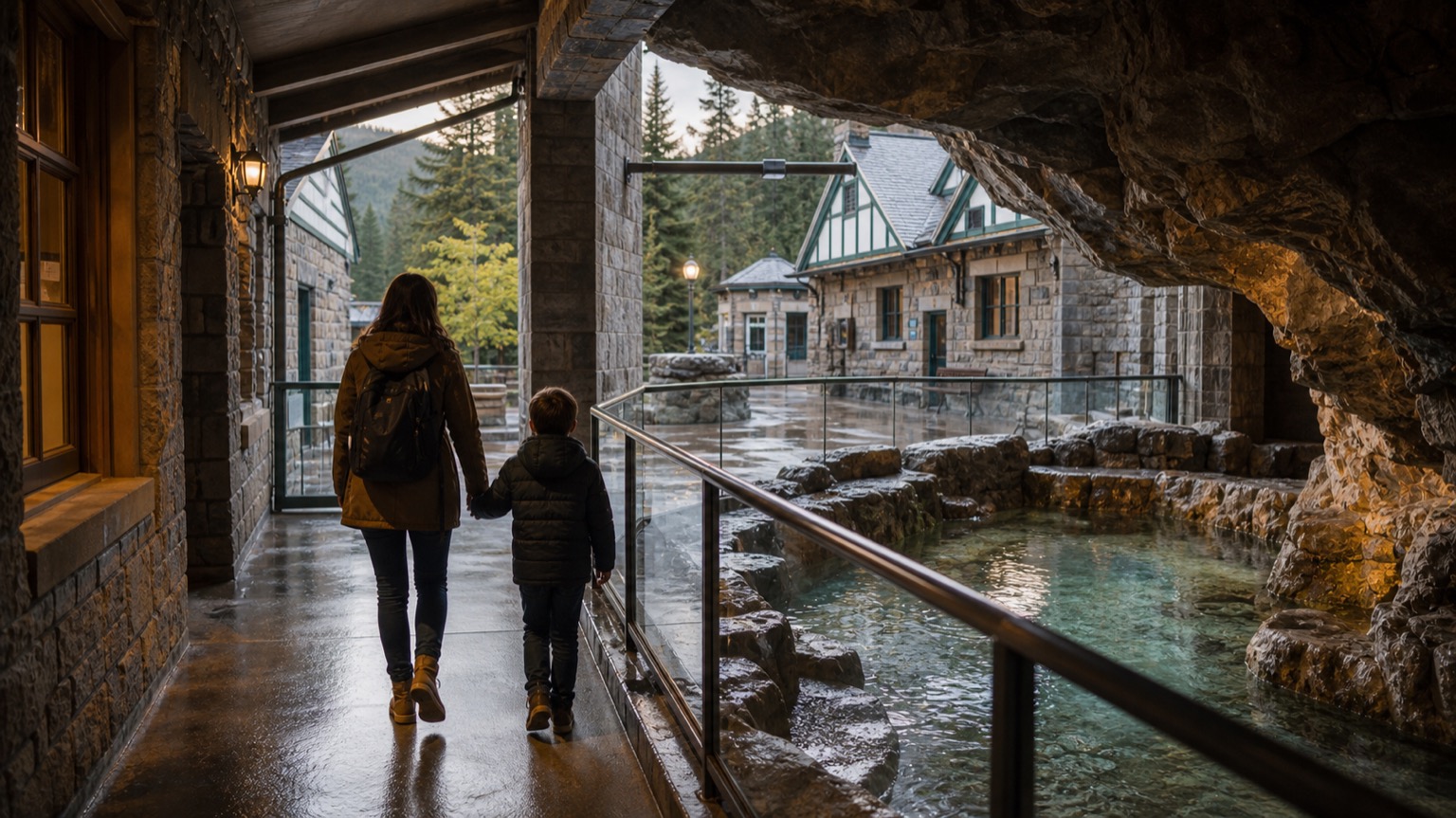
Cave and Basin
Exhibits and surrounding boardwalks need a dedicated visit rather than a quick stop.
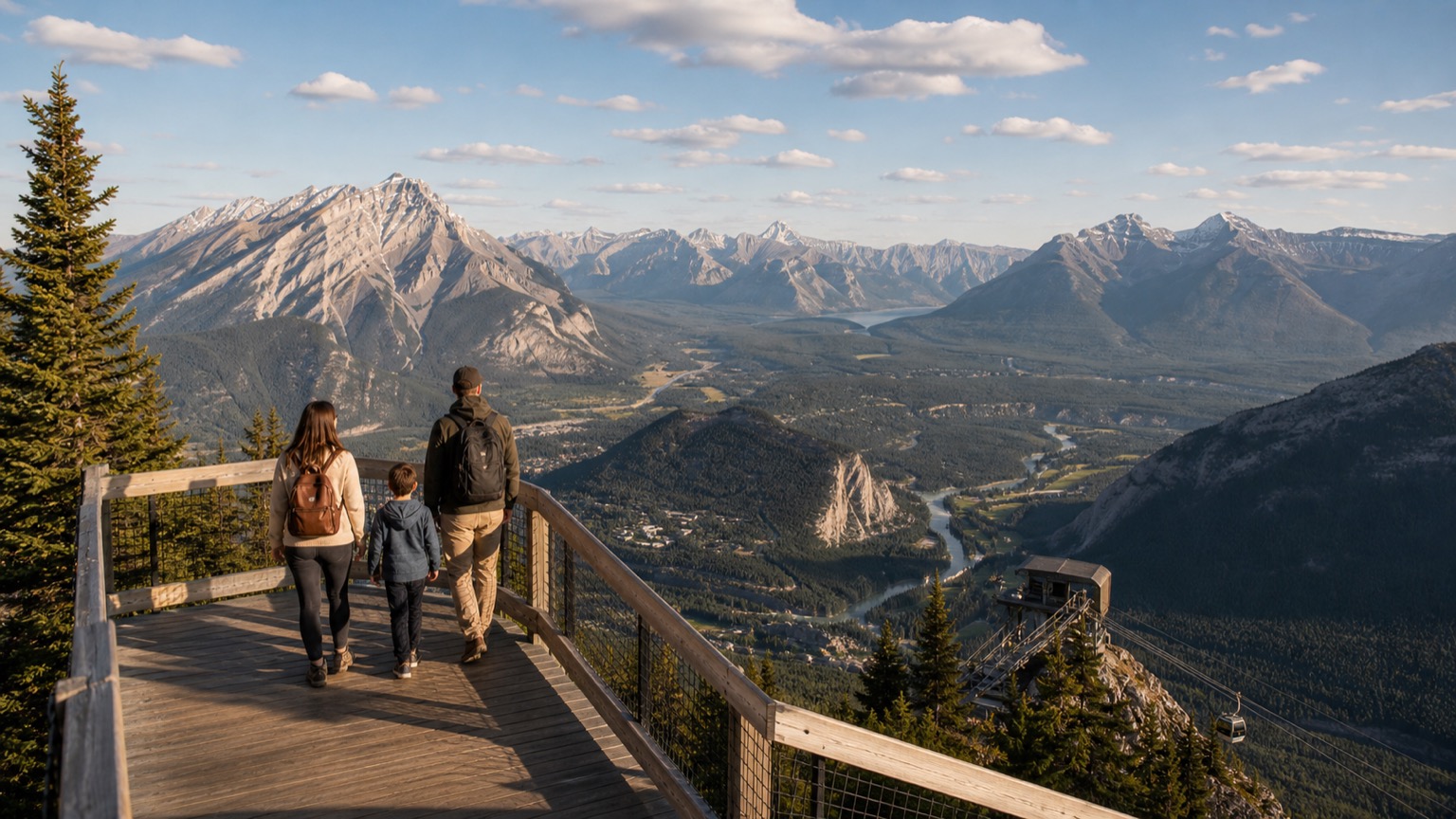
Sulphur Mountain or Banff Gondola
This card describes a gondola visit; a walking ascent is a separate mountain hike.
Itinerary
Suggested itinerary
Two hours
- 1Two hours: station → Banff Avenue → Bow River/Central Park → return.
Half a day
- 1Half day: Cave and Basin OR Bow Falls, followed by food downtown.
A day including the gondola
- 1One day: morning river walk, lunch, then a booked afternoon gondola visit if visibility is suitable.
Bases
Best base areas
Best for
Downtown Banff
First-time visitors without much driving at night
Pros
- Restaurants, shops and evening walks are easy
- Good access to local transit and tour pickups
- Strong classic Banff atmosphere
Watch-outs
- Expensive lodging
- Busy parking and crowds
- Easy to spend too much time downtown
Best for
Canmore
Comparing apartments for a longer stay
Pros
- A kitchen if included in the accommodation
- Its own dining and shopping options
Watch-outs
- Extra journeys to Banff
- Compare cleaning and parking in the total price
Best for
Lake Louise Village
Prioritizing Lake Louise, Moraine Lake or the Icefields Parkway
Pros
- Saves time for lake-area logistics
- Better if your trip is not town-focused
- Works for split stays
Watch-outs
- Limited food and evening options
- Less lively than Banff Town
Planning notes
Avoid These Common Mistakes
Fitting every attraction into half a day
Cave and Basin alone needs two to three hours according to Parks Canada; choose between it and Bow Falls.
Confusing park entry with parking
Paid downtown spaces and gondola tickets are separate costs.
Treating the gondola and hike alike
A walking ascent needs its own assessment of distance, climbing, weather and return travel.
Travel planning answers
Frequently asked questions about Banff Town
How much time do you need in Banff Town?+
Two hours are enough for Banff Avenue, food and a Bow River walk. A half day works if you add Bow Falls or Cave and Basin. A full day only makes sense if you want a slower base day.
Where should you park for Banff Town?+
The station has free spaces limited to nine hours, about ten minutes on foot from downtown. Overnight parking and other lots have separate rules.
Is Banff Town good without a car?+
Yes for the town itself and several nearby stops. Roam Transit, walking paths and tours make Banff one of the easier Canadian Rockies bases without driving every day.
Should you stay in Banff Town or Canmore?+
Stay in Banff Town if you value walking, restaurants, transit and atmosphere. Choose Canmore if value, space and a quieter base matter more and you have a car.
Worth it / Skip if
Worth it
For a walk between Banff Avenue and the Bow River and a convenient overnight base.
Skip if
Skip an additional town day when your limited days are already committed to Lake Louise or longer hikes.
With kids
Use Central Park for a short break, allow the return walk from Bow Falls, and give Cave and Basin its own two-to-three-hour visit.
Budget range
Low
80-140 CAD/day
Mid
150-280 CAD/day
Comfort
350+ CAD/day
Guide details
The simple answer
Allow two hours for Banff Avenue and the Bow River, or half a day if you add Cave and Basin or a walk to Bow Falls. Give the Sulphur Mountain gondola a separate half day. That makes a town visit worthwhile alongside later days at Lake Louise and the higher trails.
What is worth it in Banff Town
Banff Avenue in a short loop
Walk from the station towards Banff Avenue, then continue to the Bow River. Pick up breakfast or supplies before turning towards the water. With only two hours, stay around this route and Central Park: Bow Falls and Cave and Basin lie in different directions and extend the outing.
Bow River and Bow Falls
Central Park gives you a short break near downtown. For Bow Falls, follow the river southeast and include the return walk in your plan. Riverside paths are not enclosed play areas; keep children close at the water and viewpoints. If paths are icy or sections are closed, use the open routes in town.
Cave and Basin
The historic site on Cave Avenue explains the role of the thermal springs in the national park. Parks Canada recommends two to three hours for the buildings and surrounding boardwalks, so give it a dedicated visit. In rain, focus on indoor areas and decide on the outdoor paths locally; the entire site is not an indoor attraction. Check opening and admission separately from national park entry.
What to skip or keep short
Choose Cave and Basin or Bow Falls for a half-day outing. Combining both with lunch and a gondola trip leaves little time at each stop. If you are staying in Canmore, make an evening drive back to Banff for a specific reason, such as a dinner reservation.
Sulphur Mountain or Banff Gondola
A gondola ride and a hike uphill are different plans. For the gondola, check the ticket time, visibility and final return. A walking ascent needs its own hiking plan; the card's difficulty refers to visiting by gondola. In low cloud, I would skip the paid panorama and take a riverside walk.
How to handle parking and movement
The train-station lot has free spaces with a nine-hour limit, about ten minutes on foot from downtown. This does not permit overnight parking. Central parking charges are separate from the national park pass. Checked September 7, 2026.
Leave the car there for the town walk. For Cave and Basin or the gondola, then check the relevant service with Roam Transit. Your tour pickup, hotel entrance and public bus stop may be different locations.
Best time of day
Banff Avenue and the river fit well between arrival and dinner. Schedule Cave and Basin around its opening hours; it is not an unlimited late-day substitute for a cancelled mountain outing. I would set a gondola time only when the forecast and the rest of the day's travel fit together.
Banff Town with kids
Food and Central Park can be enough after arrival. Add Bow Falls with more time; Cave and Basin is an alternative for children interested in springs and exhibits. Have a meal before the next transfer instead of adding more supposedly short stops when everyone is tired.
Where to stay if Banff Town is your base
Downtown works for dinner on foot and bus outings. At an edge-of-town hotel, compare the actual walk and nearby stop rather than relying on a Banff address. Canmore is worth comparing for apartments, including cleaning, parking and extra journeys. Several consecutive Lake Louise or Yoho days may justify splitting your stay with Lake Louise.
The budget ranges above are rough daily amounts per person for two adults sharing a room and car, excluding international flights. For a town day trip, price food, transport and chosen admissions instead; a gondola ticket is a substantial separate item. Use the West Canada budget guide to compare complete itineraries.
Final verdict
For a first visit I would combine Banff Avenue, Central Park and the Bow River. Cave and Basin adds historical context; the gondola adds a weather-dependent ticketed outing. Choose between those two extensions before adding more stops.
Sources & Last updated
Last updated: 2026-09-07
Sources
- Town of Banff: Station parking and walking time(checked: 2026-09-07)
- Parks Canada – Cave and Basin: Visit duration and access planning(checked: 2026-09-07)
For your trip planning
Travel Services
Useful services for your trip. Choose what fits your plans.
Affiliate offers: We may earn a commission if you book. External search forms load only when opened, sharing data with Travelpayouts and the provider.
Nearby / next stop
MS · ITIN
Essential
Last updated 2026-09-07
Banff National Park Guide: Highlights + 3-Day Route
Banff in 2–4 days: prioritize hot springs, valley views and mountain lakes, choose a base, and plan parking and shuttles before arriving.
Read guide →
TTD · BUD
Last updated 2026-09-07
Canmore vs Banff: Which Base Camp Makes More Sense?
A practical comparison of Canmore and Banff Town for lodging value, parking, transit, groceries, evening atmosphere and access to the Canadian Rockies.
Read guide →