Guide
Banff National Park Guide: Highlights + 3-Day Route
Banff in 2–4 days: prioritize hot springs, valley views and mountain lakes, choose a base, and plan parking and shuttles before arriving.
Save it for later on this device or print a clean planning copy.
Quick facts
- Best time
- June–September for summer lake visits; check high trails and seasonal roads separately, May/October with shorter days and possible snow or access restrictions, Winter for town and open cleared paths
- Recommended duration
- 2-4 days
- Budget range
- Low: 160-250 CAD/day · Mid: 300-520 CAD/day · Comfort: 650+ CAD/day
- With kids
- Yes
Orientation
Why Banff is worth planning carefully
Banff National Park is often the first real mountain stop after Calgary, and it can be one of the strongest parts of a Western Canada road trip. The park combines big-name lakes, accessible viewpoints, canyon walks, mountain town comfort and easy links toward Lake Louise, Yoho and the Icefields Parkway.
The challenge is not finding beautiful places. The challenge is timing them. Parking, shuttles, road access, reservations, peak-summer crowds and weather can shape the experience more than the map distance suggests.
A good Banff plan separates easy town-side days from shuttle-sensitive lake days. That keeps the trip calmer and prevents the classic mistake of trying to do Lake Louise, Moraine Lake, Johnston Canyon, the gondola and Lake Minnewanka all in one overloaded day.

I would treat Banff as a base, not a checklist. Give yourself one easy arrival day, one canyon-and-lake day and one dedicated Lake Louise/Moraine Lake day. That structure makes Banff feel calmer, even in a busy season.
Alex Travels · TravelHighlights.io
Keep planning
Choose the next useful step
Jump straight to the next relevant part of your trip.
Guide map
- Banff Town
- Bow Falls
- Banff Gondola / Sulphur Mountain
- Tunnel Mountain
- Johnston Canyon
- Lake Minnewanka
- Lake Louise
- Moraine Lake
- Canmore
Highlights
Top highlights
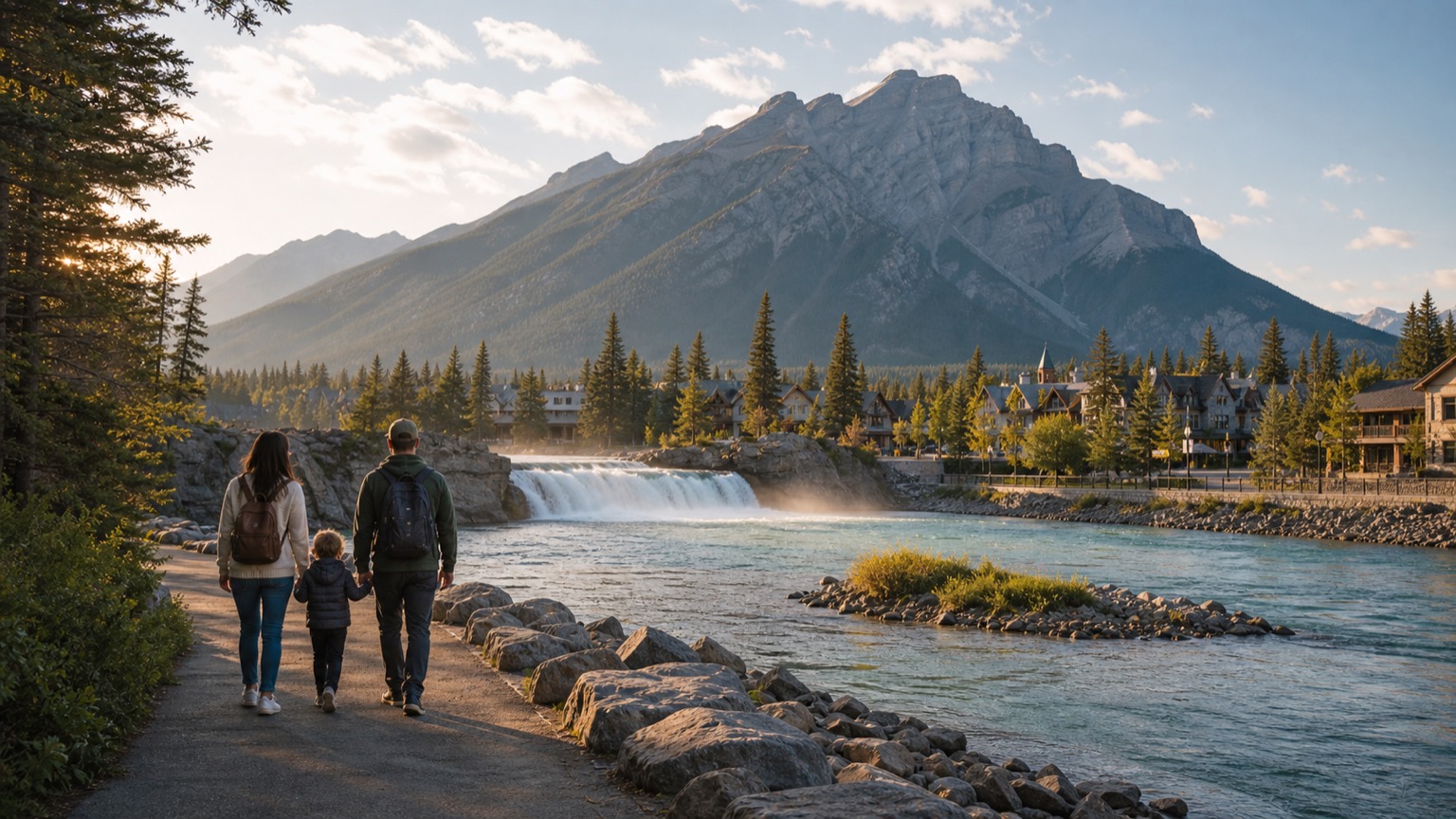
Banff Town, Bow Falls and Sulphur Mountain
After arrival choose a river walk or Bow Falls. Add the gondola only with its own time window and suitable visibility.
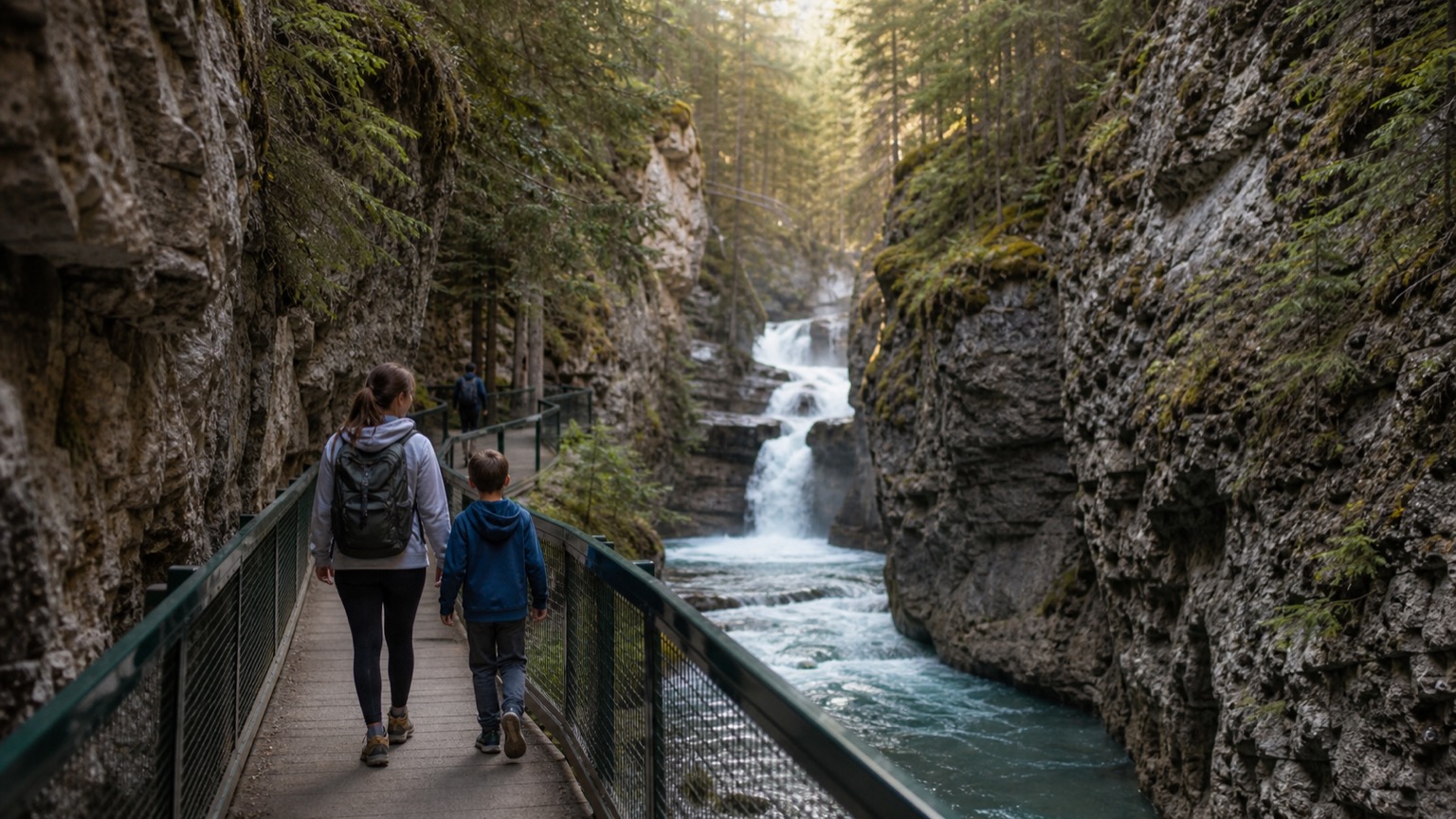
Johnston Canyon and Bow Valley Parkway
One of Banff's most accessible canyon walks, best done early before crowds and parking pressure build.
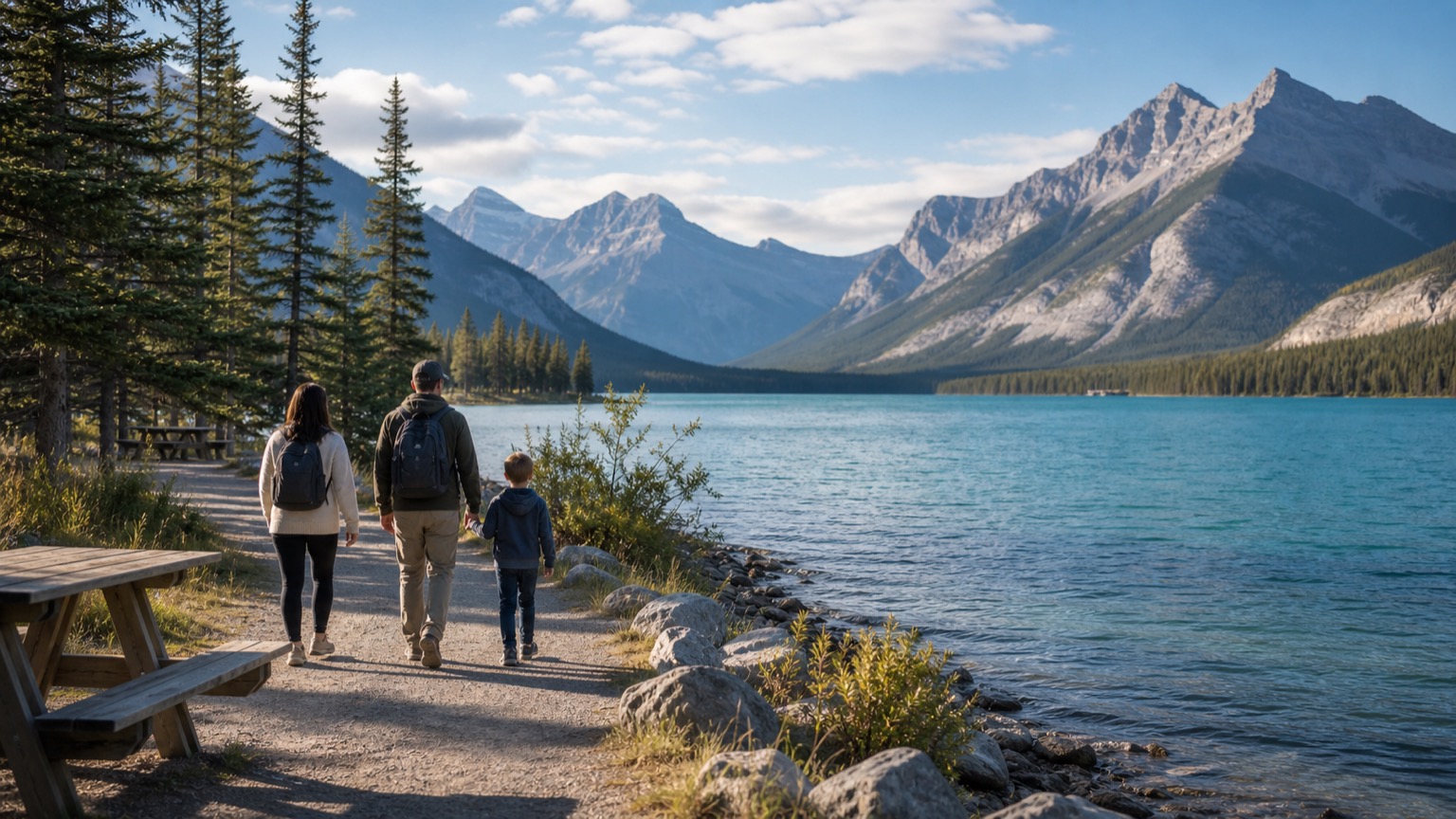
Lake Minnewanka shore
Choose a short shore visit rather than an unplanned longer hike; check current bear warnings on the Minnewanka Trail.
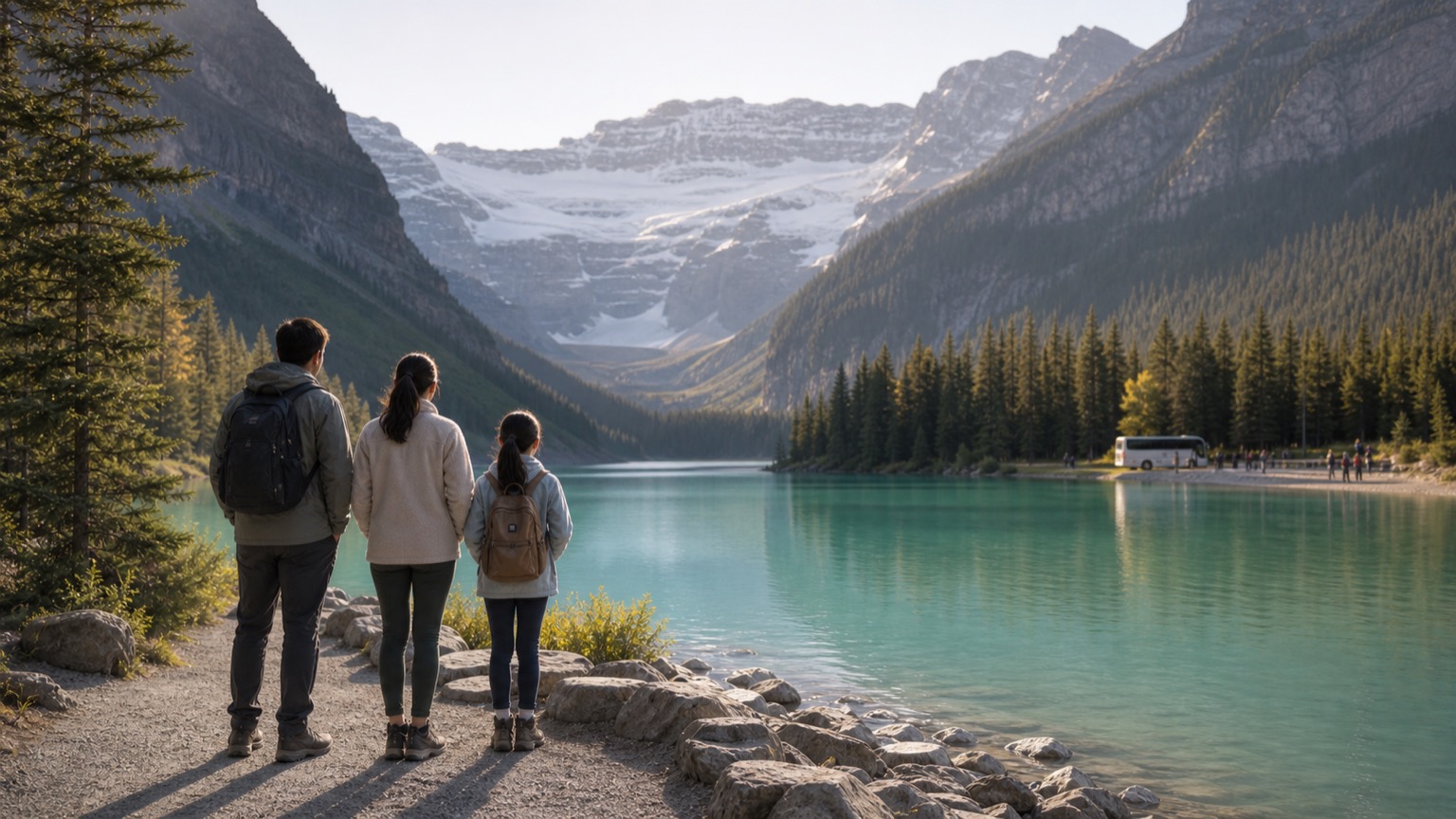
Lake Louise and Moraine Lake
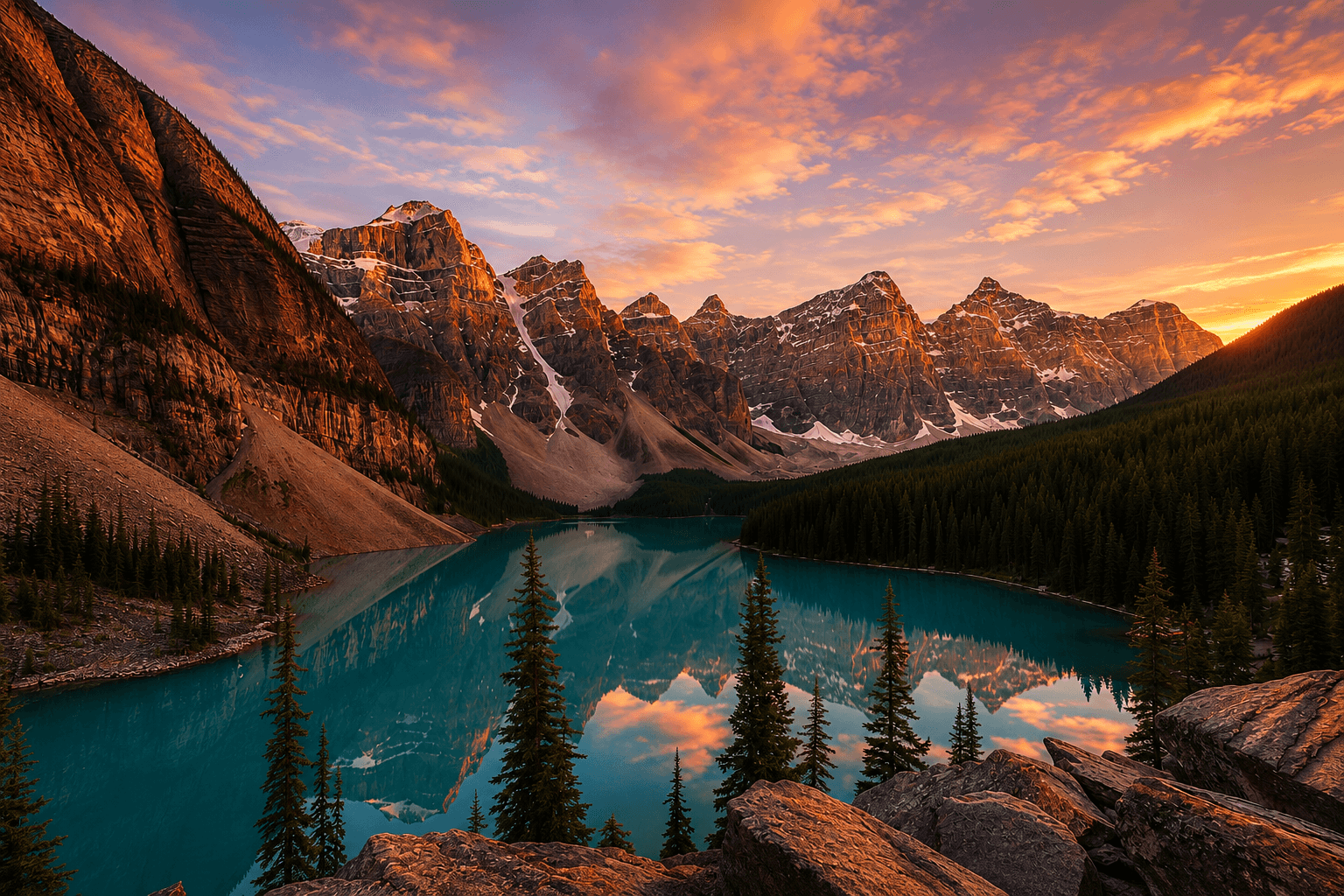
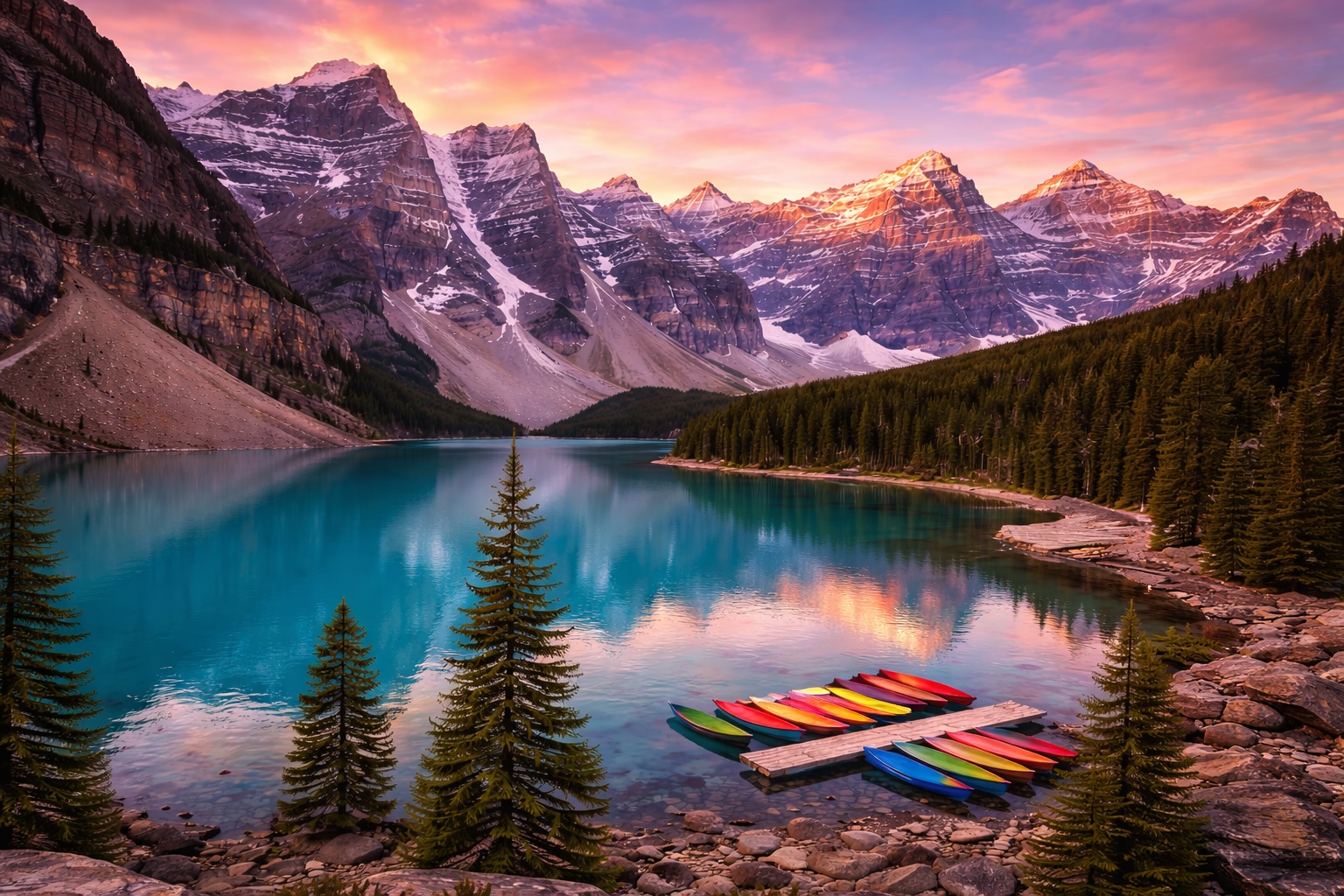
Banff's most famous lake day needs separate planning around Parks Canada shuttle access, reservations and realistic timing.
Itinerary
Suggested itinerary
2 days / at least 1 night
- 1Day 1: arrive, Banff Town and the Bow River or Bow Falls; sleep in Banff.
- 2Day 2: one booked lake-shuttle day OR Johnston Canyon. Book a second night if the return bus is late.
3 days / 2–3 nights
- 1Day 1: arrive, Banff Town and the Bow River or Bow Falls; sleep in Banff.
- 2Day 2: Johnston Canyon via permitted access, then a short Lake Minnewanka shore visit after a break; second night in Banff.
- 3Day 3: reserved Lake Louise/Moraine Lake shuttle; travel onward only with enough time or stay a third night.
4 days / 3–4 nights
- 1Day 1: arrive, Banff Town and the Bow River or Bow Falls; sleep in Banff.
- 2Day 2: Johnston Canyon via permitted access, then a short Lake Minnewanka shore visit after a break; second night in Banff.
- 3Day 3: reserved Lake Louise/Moraine Lake shuttle; travel onward only with enough time or stay a third night.
- 4Optional day 4: a dedicated Yoho or Icefields Parkway day; choose direction and overnight stop in advance.
Bases
Best base areas
Best for
Banff Town
First-time visitors and car-light logistics
Pros
- Best access to restaurants, transit, tours and easy evening walks
- Works well if you want to reduce driving after arrival
- Strongest base for a classic first Banff stay
Watch-outs
- Usually expensive in summer
- Parking and crowds can feel tiring at peak times
Best for
Canmore
Better value and more space
Pros
- Often better lodging value than Banff Town
- More local, residential feeling and good food options
- Practical if you have a rental car
Watch-outs
- Outside the park, so daily drives are longer
- Less convenient for early Lake Louise or shuttle days
Best for
Lake Louise Village
Lake Louise, Moraine Lake and Icefields Parkway timing
Pros
- Better for shuttle days and early starts north or west
- Reduces backtracking if you continue toward Yoho or Jasper
- Useful for a split Banff stay
Watch-outs
- Limited services and lodging
- Less atmosphere than Banff Town for evenings
Best for
Castle Junction
Quiet midpoint and Bow Valley Parkway access
Pros
- Good midpoint between Banff Town and Lake Louise
- Useful for Johnston Canyon and quieter pacing
- Less town pressure than Banff
Watch-outs
- Very limited food and services
- Not ideal without a car
Planning notes
Avoid These Common Mistakes
Treating Lake Louise and Moraine Lake as normal drive-up stops
Access rules, shuttle reservations and parking pressure matter. Check Parks Canada before planning the lake day, and do not build the whole trip around assumptions from old blog posts.
Trying to see every famous Banff sight in one day
Banff is compact on a map but slow in reality. Crowds, parking, shuttles and mountain weather make overloaded days feel worse than they look in a spreadsheet.
Staying too far away to save money without checking drive times
Canmore can be a smart base, but it changes early-start logistics. Calgary is usually too far for calm daily Banff sightseeing.
Ignoring weather when booking paid viewpoints
Sulphur Mountain and gondola views depend heavily on cloud and smoke conditions. Keep flexible if possible and do not assume every high viewpoint is worth it in poor visibility.
Skipping rest and food planning
Banff days can become long quickly. Build in meals, water, layers and lower-friction afternoon options, especially with kids.
Travel planning answers
Frequently asked questions about Banff National Park
How many days do you need in Banff National Park?+
Two days are enough for a focused taste, but three days are better for a first visit. Four days make sense if you want Lake Louise, Moraine Lake, Johnston Canyon, Lake Minnewanka and a weather buffer without rushing.
Is Banff worth visiting in peak summer?+
Yes with accommodation and shuttle plans in place. Smoke, weather and closures can still affect trails in summer; clear mountain views are never guaranteed.
Do you need a shuttle for Lake Louise and Moraine Lake?+
Moraine Lake Road is closed to private visitor vehicles. Use an authorized shuttle or operator. Lake Louise can be reached by car but parking is not guaranteed; the two lakes can be combined with an appropriate Parks Canada shuttle booking.
Where should first-time visitors stay for Banff?+
Banff Town is easiest for a first visit. Canmore is often better value if you have a car. Lake Louise Village is useful if your priority is Lake Louise, Moraine Lake, Yoho or the Icefields Parkway.
Is Banff good with kids?+
Yes. Focus on Johnston Canyon, Lake Minnewanka, Bow Falls, short lakeside walks and pools or town breaks. Avoid turning every day into an early-start parking mission.
Can you visit Banff without a car?+
Partly, yes. Banff Town has transit and regional options, and some major sights can be reached by shuttle or tour. A car gives more flexibility, but it also adds parking pressure in busy areas.
What should you skip if you only have two days?+
Skip long hikes, too many paid viewpoints and distant side trips. Choose either a lake-shuttle day plus town-side Banff, or Johnston Canyon plus Lake Minnewanka if you did not secure lake access.
Worth it / Skip if
Worth it
Very worth it for first-time Rockies travelers because Banff concentrates lakes, canyons, mountain viewpoints, short hikes and strong roadtrip logistics in a relatively compact area.
Skip if
Skip or shorten Banff only if you want a remote, low-crowd wilderness trip in peak summer, or if your itinerary already gives more time to Jasper, Yoho and quieter Kootenay.
With kids
Use the Bow River and Bow Falls for an easy arrival. Assess Johnston Canyon by path conditions and walking distance. Tunnel Mountain is a mountain hike rather than a simple viewpoint stop.
Budget range
Low
160-250 CAD/day
Mid
300-520 CAD/day
Comfort
650+ CAD/day
Guide details
Choosing between the two major Rockies bases? Use the Banff vs Jasper comparison before you commit your nights.
How to use Banff well
Banff is the easiest first mountain base after Calgary, but it is not a place to wing in peak season. The park works best when you split it into different kinds of days: one easy town-side day, one canyon-and-lake day, and one dedicated Lake Louise/Moraine Lake day.
That structure matters because Banff has friction. Parking fills. Shuttle reservations matter. Weather changes the value of viewpoints. Popular hikes start to feel very different once the main visitor wave arrives.
If you plan around those realities, Banff becomes much calmer.
Banff Town, Sulphur Mountain and easy arrival day
After arrival and check-in, Banff Avenue and a river walk or Bow Falls are enough. Parks Canada rates Tunnel Mountain as a moderate hike. Give it a separate plan instead of adding it as an effortless evening viewpoint.
The Banff Gondola can be worth it if the weather is clear and the price fits your budget. If visibility is poor or you want a lower-cost day, keep it simple with Bow Falls, a river walk and an evening viewpoint.
This is also the best day to organize groceries, check shuttle details and avoid starting the trip with stress.
Johnston Canyon and Bow Valley Parkway
Johnston Canyon is one of the easiest high-value walks in Banff. It is popular because it works: a clear path, canyon views, waterfalls and enough structure for families and first-time hikers.
Go early if you can. Later in the day, parking and crowds can change the whole feeling of the walk. If you are traveling with kids, the Lower Falls are often enough. Add the Upper Falls only if the group still has energy.
The Bow Valley Parkway makes this day feel less like a simple out-and-back from town. Check current access rules and seasonal restrictions before assuming every road segment is open.
Autumn access 2026: The eastern Bow Valley Parkway to Johnston Canyon is closed to private vehicles from September 1 to October 6. Approach the canyon via the Trans-Canada Highway and Castle Junction. Official Parks Canada notice, checked September 7, 2026.
The September 6 trail report lists Johnston Canyon as usable, with wet or muddy sections. The older May closure notice is not a current closure of the whole canyon. Choose Lower Falls or the longer onward walk in advance and stay on permitted paths.
Lake Minnewanka and the east side of Banff
On September 6, Parks Canada reports roadworks on Lake Minnewanka Road and a bear warning on the trail towards Stewart Canyon. Check the trail report linked above before starting and use only an explicitly open shore area when access is unclear. It does not have the same shuttle pressure as Moraine Lake, and it works well for picnics, short walks, lake views and an easier family day.
Combine it with Two Jack Lake, Johnson Lake or Cascade Ponds if you want a softer day after an early Johnston Canyon start. This side of Banff is also a good fallback when the famous lake plans become too crowded or complicated.
Lake Louise and Moraine Lake
Lake Louise and Moraine Lake deserve their own day. Do not treat them as quick add-ons between town activities.
The key planning point is access. Parks Canada shuttle rules, reservation windows and parking conditions can shape your day, especially for Moraine Lake. Check the current official information before booking accommodation or building the route.
Once access is sorted, keep the activity list short. One lakeside walk, one viewpoint or one moderate hike is enough for most travelers. The day is already high-value without adding three more stops.
Where to stay for Banff
Banff Town is the easiest base for a first visit. It gives you restaurants, transit, shops, evening walks and the strongest classic Banff feeling.
Canmore is often more practical if prices in Banff are too high or if you want more space. It works best with a car and a realistic understanding that every park day starts with an extra drive.
Lake Louise Village is useful for a split stay if your priorities are Lake Louise, Moraine Lake, Yoho or the Icefields Parkway. It is not as lively as Banff Town, but it can save meaningful time.
Castle Junction is the quietest planning option, mostly useful if you have a car and want midpoint access to the Bow Valley Parkway.
Banff with kids
Banff is strong with kids when you keep the plan simple. Johnston Canyon, Bow Falls, Lake Minnewanka and short lakeside walks are better than long summit ambitions.
Build days around one main activity, one easy backup and one food or rest break. That rhythm usually works better than chasing every famous viewpoint.
Budget and booking notes
Banff is expensive in summer. Accommodation is the biggest pressure point, followed by paid viewpoints, restaurants and shuttle or tour costs.
Book lodging early, especially for July, August and September weekends. Use Canmore if Banff prices are unreasonable. Mix a few restaurant meals with groceries and picnic lunches.
Also remember park passes and transit or shuttle costs when comparing bases. A cheaper room far away can become less attractive once daily driving time and logistics are included.
Final planning rule
Banff is worth the effort, but only if you stop treating it as a list of famous names.
Choose a base, separate the shuttle-sensitive lake day from the easier town-side day, and keep one flexible window for weather. That is usually the difference between a stressful Banff visit and a trip that actually feels like the Rockies.
The budget ranges are rough daily amounts per person for two adults sharing a room and rental car, excluding international flights. Price park entry, shuttles and the gondola using actual bookings and check whether your daily estimate already includes them.
Sources & Last updated
Last updated: 2026-09-07
Sources
- Parks Canada: Official Banff National Park access, shuttle, trail, safety and visitor information
- Banff & Lake Louise Tourism: Local planning context, seasonal visitor guidance and destination information
- Roam Transit: Local and regional public transit routes in Banff National Park
- Alberta 511: Road, construction and weather condition updates
- Parks Canada – Trail conditions: Johnston Canyon, Tunnel Mountain and Minnewanka; report September 6(checked: 2026-09-07)
For your trip planning
Travel Services
Useful services for your trip. Choose what fits your plans.
Affiliate offers: We may earn a commission if you book. External search forms load only when opened, sharing data with Travelpayouts and the provider.
Nearby / next stop
MS · TTD
Editor's Pick
Last updated 2026-09-07
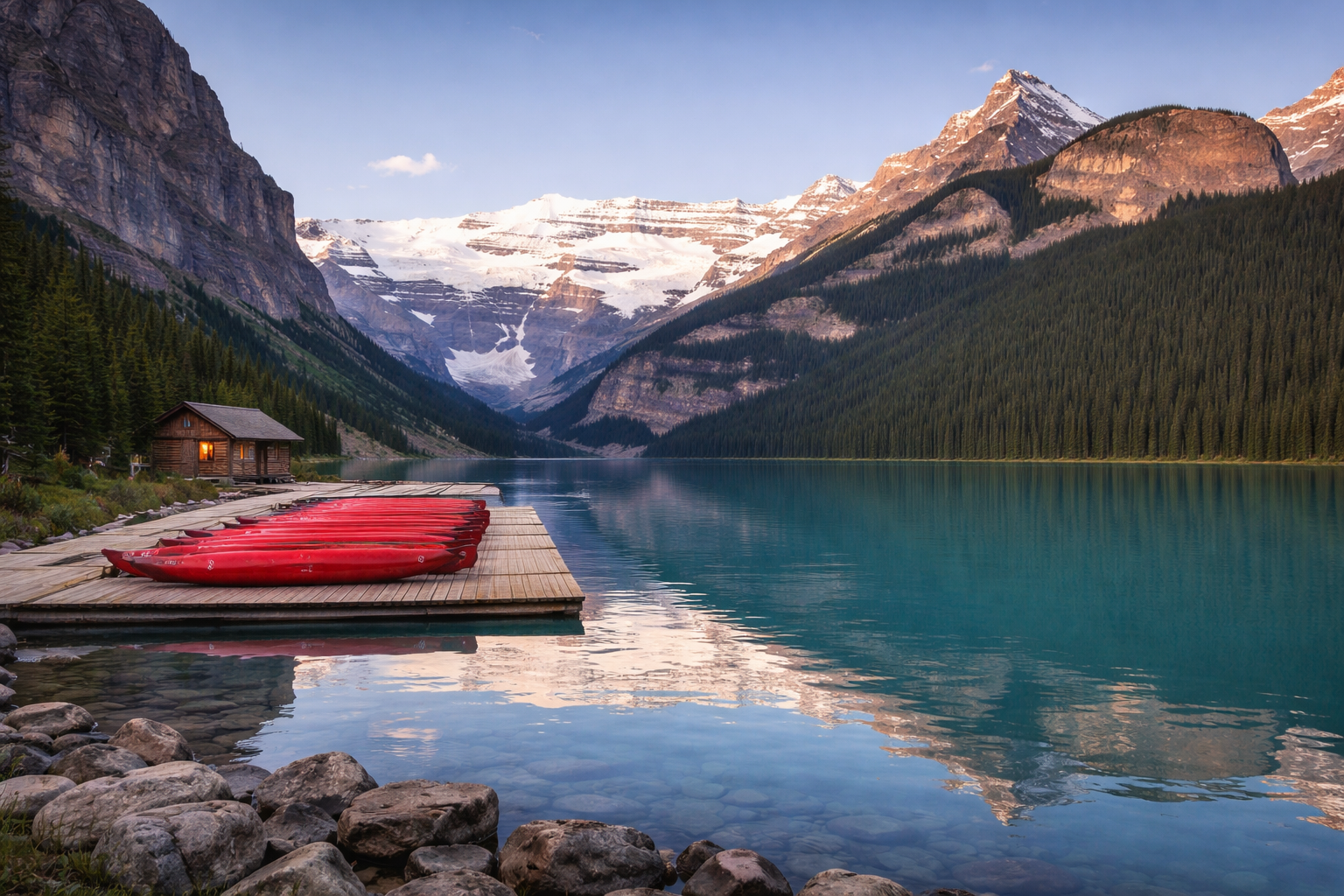
Lake Louise Viewpoints 2026: Shuttle, Parking & Hikes
Lakeshore or Fairview Lookout? Compare the best Lake Louise viewpoints and plan shuttles, parking and hikes for 2026.
Read guide →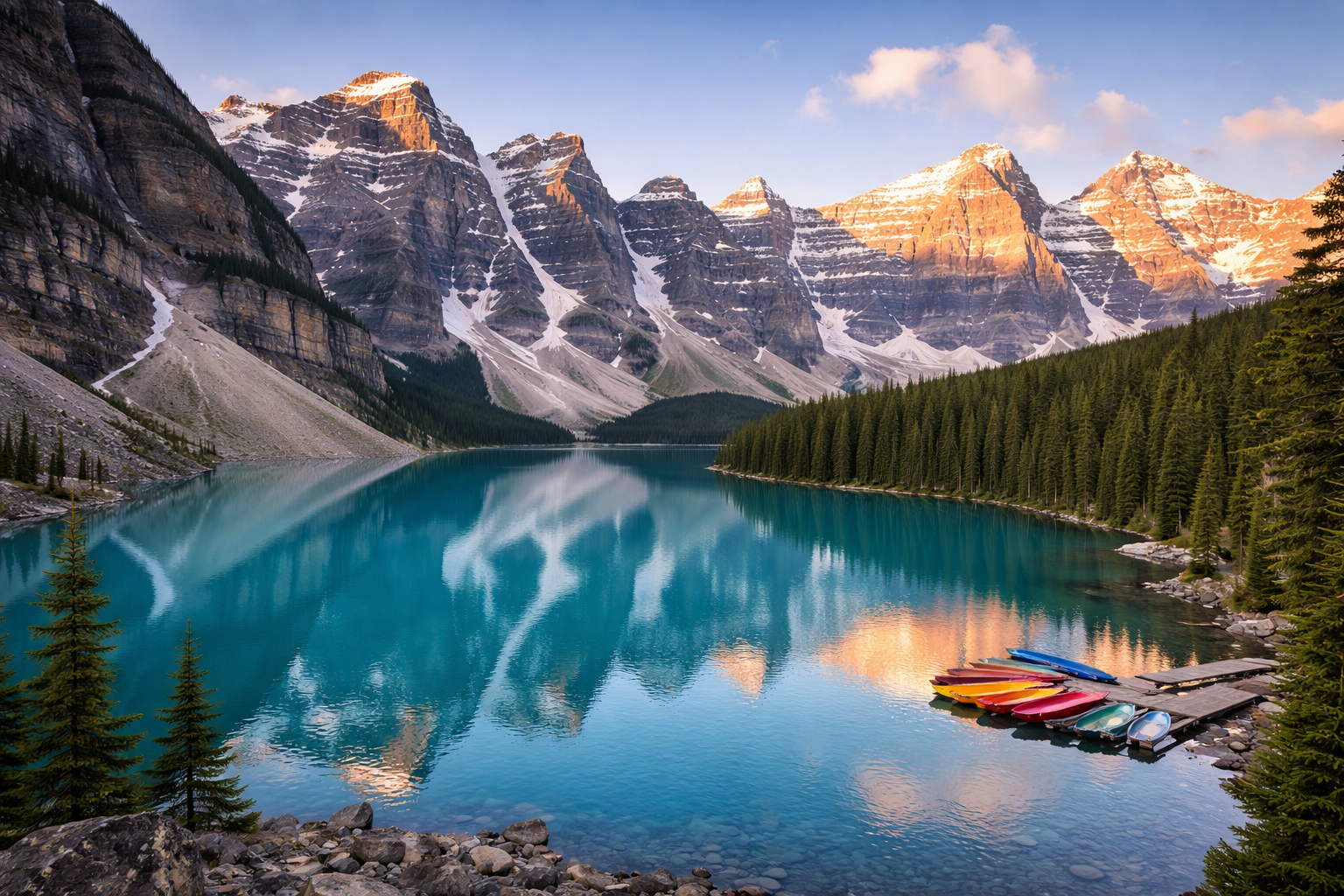
LOG · TTD
Last updated 2026-09-07
Moraine Lake Guide: How to Visit Without Driving Yourself
Choose a shuttle, Roam connection or Alpine Start to suit your base, allow time for Rockpile and the lakeshore, and plan the return after sunrise.
Read guide →